12 Reasons You Fail to Stay Organized (and How to Fix Each One)
If you’ve ever spent hours organizing a space only to see it unravel days later, you are not the problem. Most organization struggles are not about laziness or lack of discipline. They happen because the system does not match real life.
Homes are lived in. Routines shift. Energy levels change. When organization ignores those realities, it simply does not last. Below are the most common reasons staying organized feels harder than it should, along with practical fixes you can actually maintain. No dramatic overhauls. Just simple adjustments that make your home easier to manage long term.

1. You’re Trying to Be Perfect
Why it fails: Perfection turns organization into a performance. You create color-coded systems, labeled bins, detailed plans… and then life happens. One busy week, one missed reset, one messy drawer, and the whole thing feels ruined. When your system has no room for real life, you abandon it.
Fix: Shift from perfect to functional. Aim for “tidy enough” and “easy to maintain.” A drawer that closes is a win. A counter that’s mostly clear is a win. Build systems that expect daily use, not showroom conditions. Organization should support your life, not intimidate you.
2. You Own Too Much Stuff
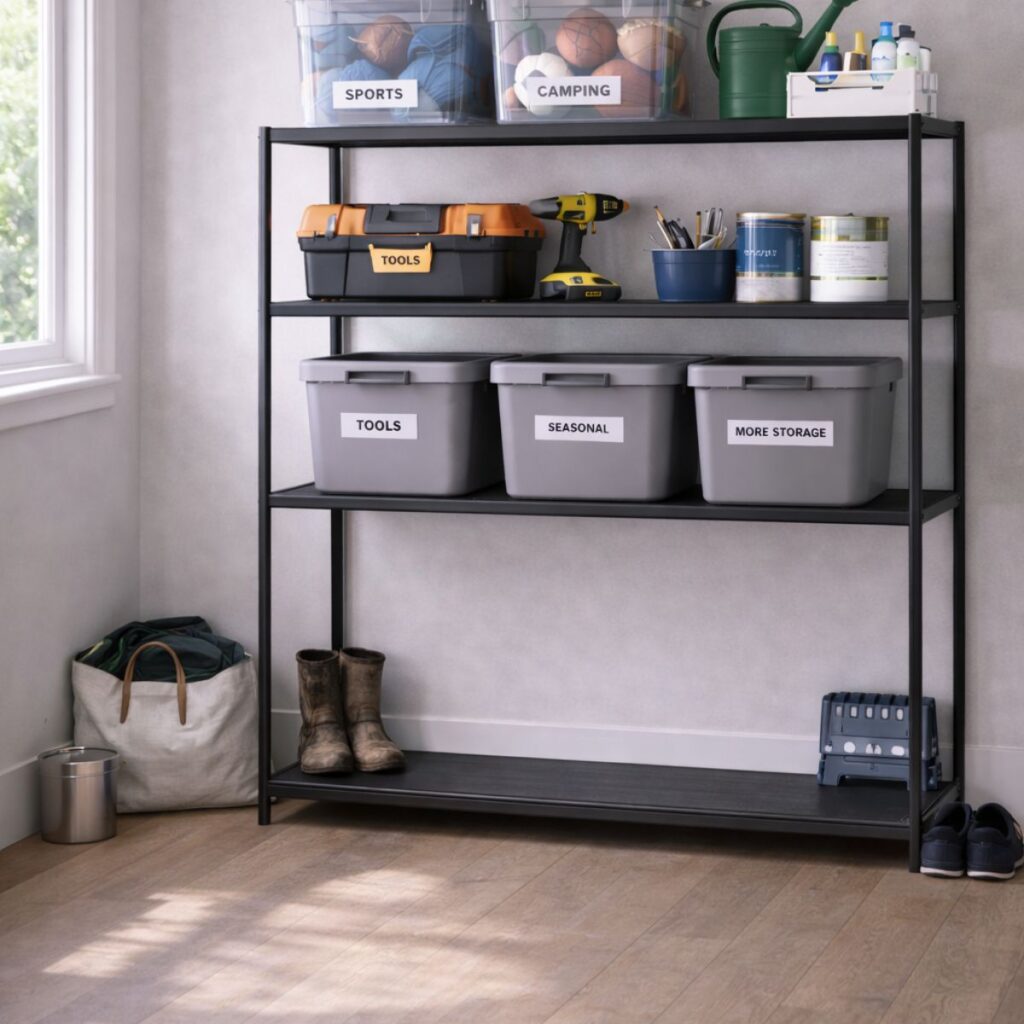
Why it fails: Organization cannot compensate for excess. If every drawer is full, every shelf is crowded, and every surface has something on it, no basket or label will fix it. When your space is holding more than it comfortably can, you are constantly fighting clutter.
Fix: Declutter before you organize. Reduce first. Clear out what you do not use, do not love, or would not buy again today. Once the volume is manageable, simple systems suddenly work. Organization is maintenance. Decluttering is the foundation.
3. Your Storage Is Too Complicated
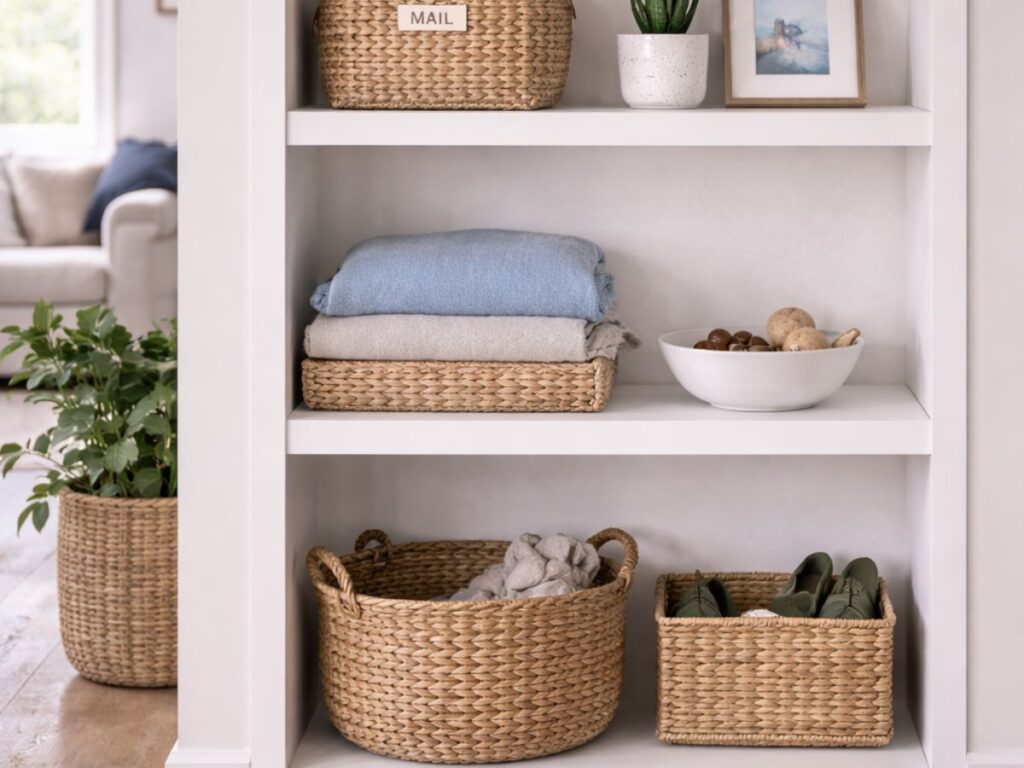
Why it fails: If putting something away requires multiple steps, you will skip it. Lids, stacking, unlatching, untying, re-folding perfectly, lifting other bins first… friction kills consistency. When storage feels like a task, clutter starts piling up nearby instead.
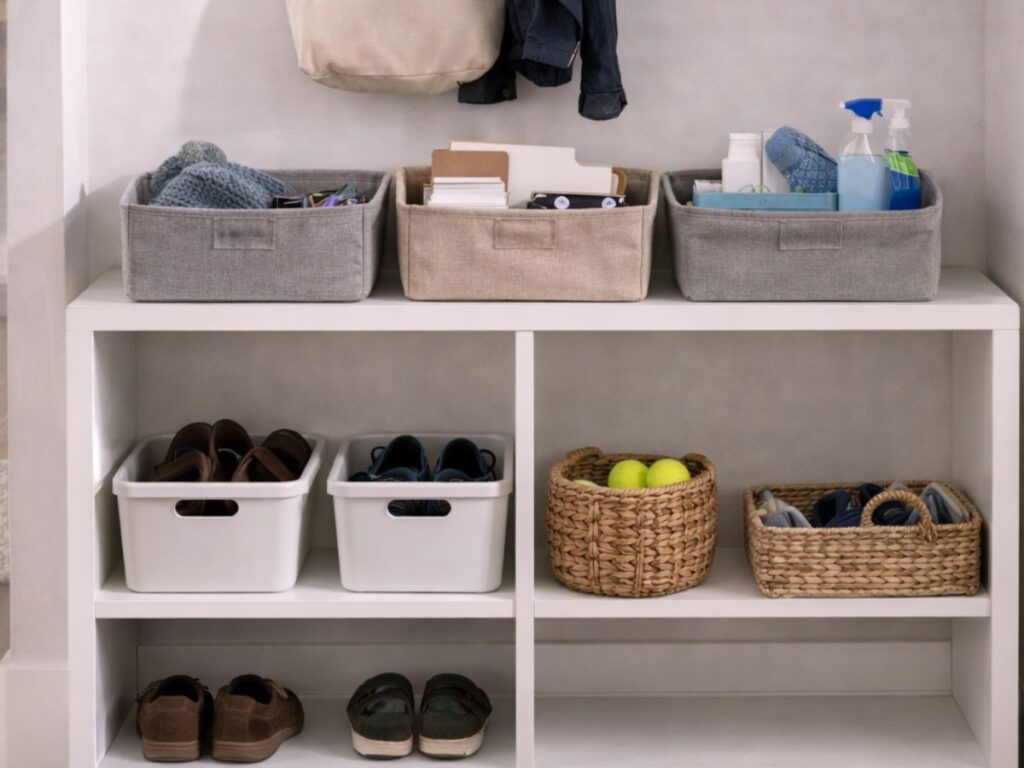
Fix: Make access effortless. Open bins, baskets, and hooks beat tight lids and complicated stacking systems. The easier it is to drop something in place, the more likely you are to keep doing it. Good organization reduces effort. It does not add more.
4. You Organize for Aesthetic, Not Use
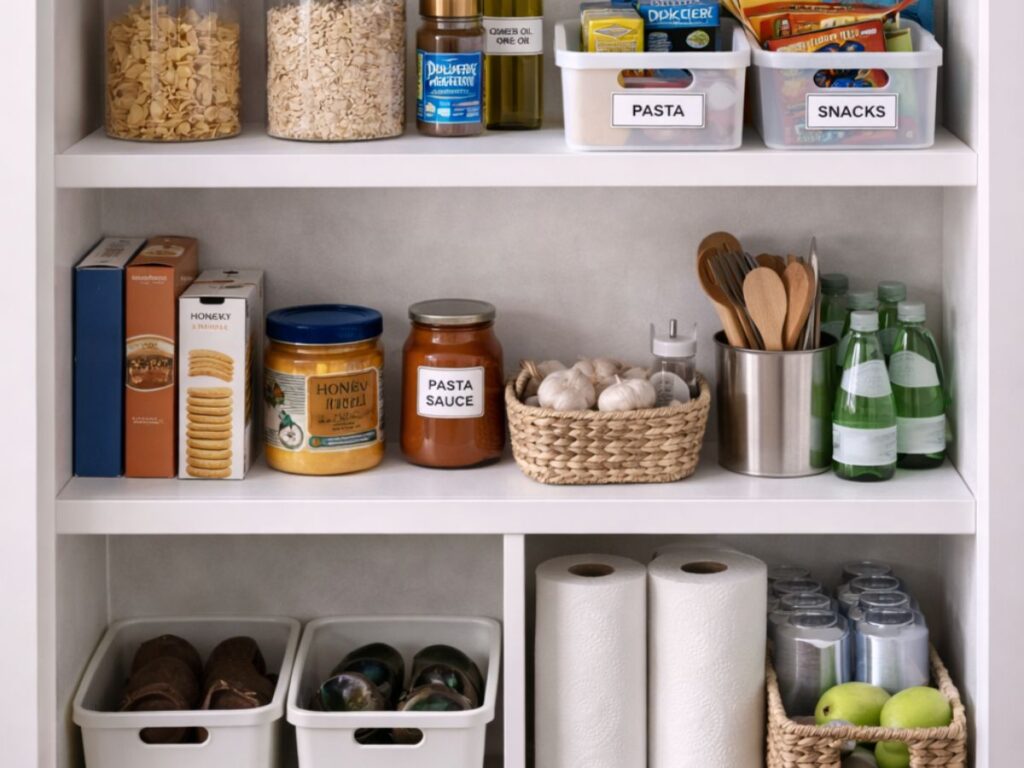
Why it fails: A system can look beautiful and still fail you. When you organize for appearance instead of daily habits, the setup feels unnatural. You create magazine-worthy shelves, but your real life happens differently. If your system fights your routines, you will slowly stop using it.
Fix: Organize around behavior, not aspiration. Put items where you naturally reach for them. Store things at the height you actually use them. Keep everyday items visible and easy to grab. Your home should reflect how you live right now, not an ideal version of you.
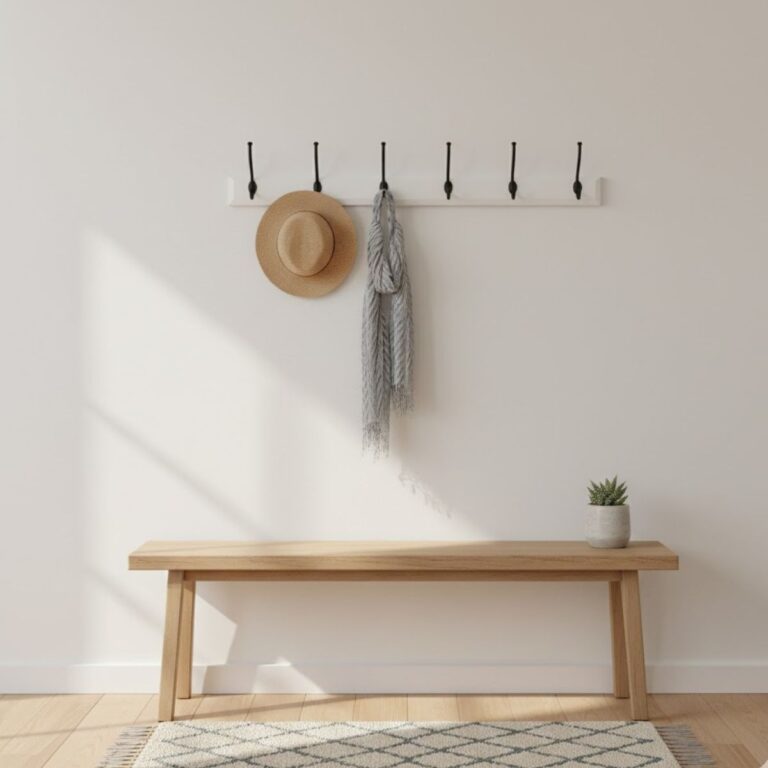
5. You Don’t Have a Drop Zone
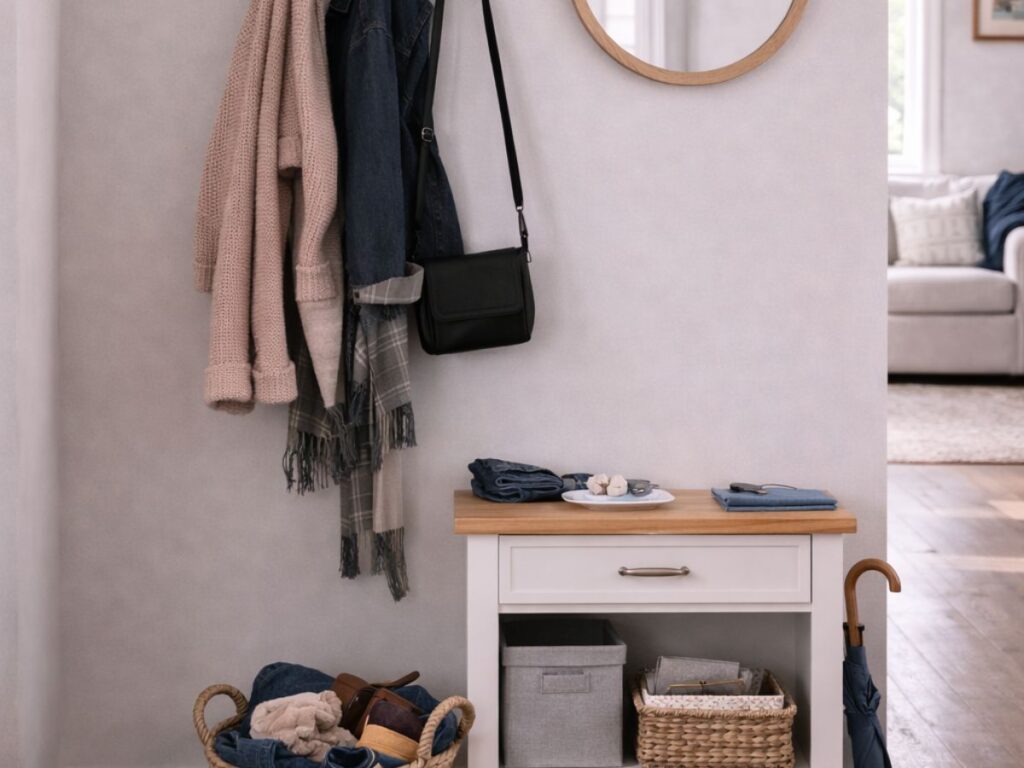
Why it fails: Clutter gathers where there is no clear landing spot. Keys end up on the counter. Mail stacks near the door. Bags land on chairs. When everyday items do not have an obvious home the moment you walk in, surfaces slowly become storage zones.
Fix: Create one simple drop zone near your entry. A small tray for keys, a hook for bags, a basket for mail, and a designated spot for shoes. Keep it contained and realistic. When everything has a first stop, the rest of your home stays calmer.
6. You Expect One Big Cleanup to Fix Everything
Why it fails: A major cleanup feels productive in the moment, but it does not solve the flow of daily life. You spend a Saturday resetting everything, and by Wednesday, the clutter is back. Without small, repeatable habits, even the best overhaul fades quickly.
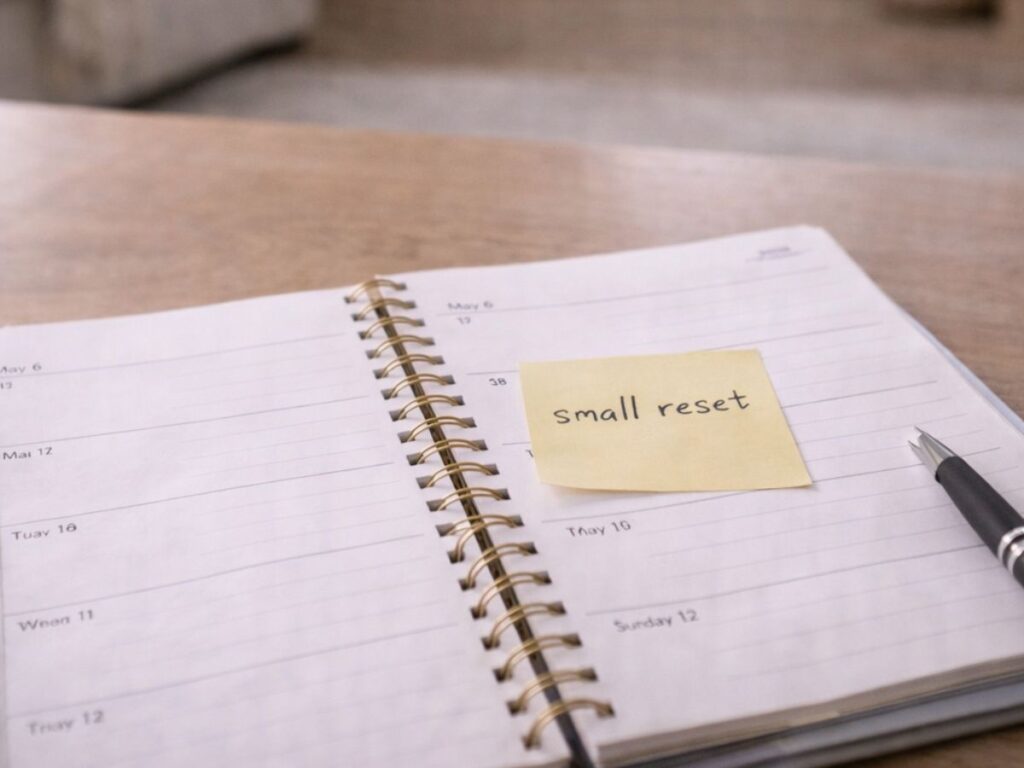
Fix: Replace dramatic cleanups with simple resets. Ten minutes at night. A weekly drawer check. A Sunday surface sweep. Small, consistent maintenance keeps your home steady. Organization is not a one-time event. It is a rhythm.

7. You Don’t Store Items Where You Use Them
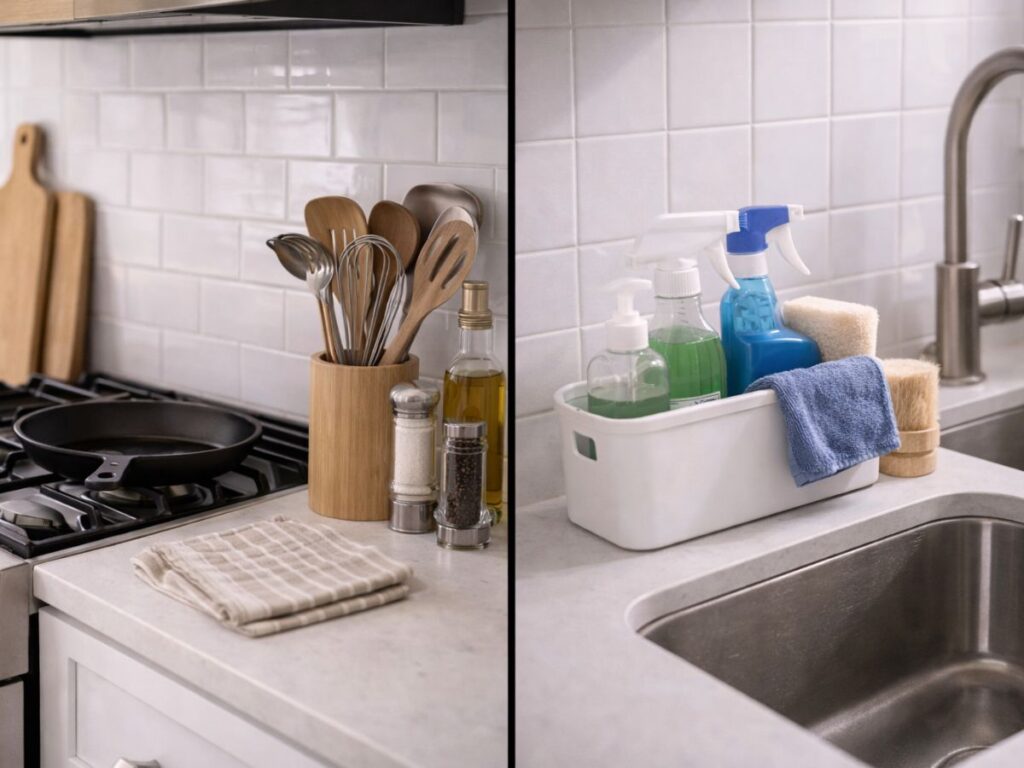
Why it fails: When storage is disconnected from daily activity, items migrate. If you use scissors in the kitchen but store them in an office drawer, they will live on the counter instead. When things are kept far from where they are actually used, clutter forms in the gap.
Fix: Shorten the distance between use and storage. Keep items as close as possible to where they are needed. Cooking tools near the stove. Chargers near the couch. Cleaning supplies on each level of your home. Convenience is what makes a system stick.
8. You Keep Things “Just in Case.”
Why it fails: “Just in case” often sounds responsible, but it quietly fills your home with unused items. Extra containers, backup décor, clothes that might fit again, and tools you might need someday. Over time, fear-based storage turns into crowded shelves and mental clutter.
Fix: Keep what you would realistically replace if you needed it. Let go of what is cheap, easy to rebuy, or has gone untouched for years. Most “just in case” scenarios never happen. Space and clarity today are more valuable than hypothetical emergencies.

9. You Don’t Reset Regularly
Why it fails: Even the best systems drift. Drawers get shuffled. Papers accumulate. Laundry waits a little longer than it should. Organization is not self-sustaining. Without small resets, clutter slowly creeps back in and makes everything feel harder than it needs to be.
Fix: Choose a reset rhythm and protect it. A weekly surface sweep. A monthly closet check. A quick fridge cleanout before grocery day. Keep it short and repeatable. Regular maintenance keeps small messes from turning into full breakdowns.
10. You Organize Everything at Once
Why it fails: When you try to tackle an entire room or your whole home in one stretch, you drain your energy fast. Decision fatigue sets in. Progress slows. What started as motivation turns into frustration, and half-finished spaces feel worse than before.
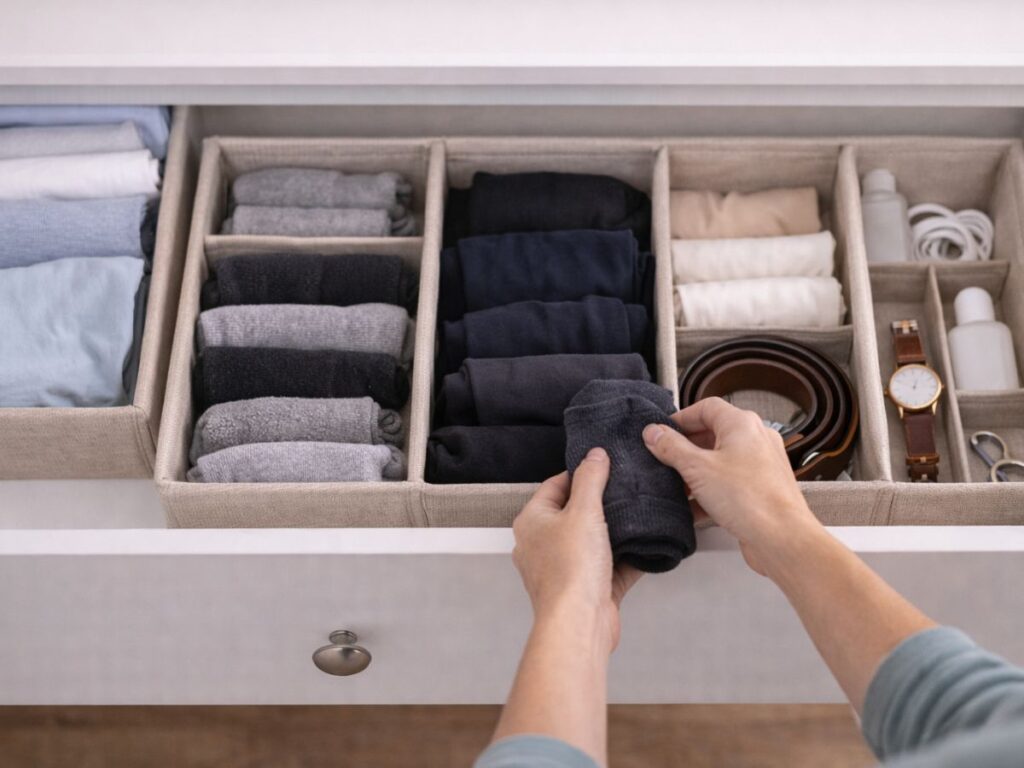
Fix: Shrink the target. One drawer. One shelf. One category. Finish it completely before moving on. Small wins build momentum and confidence. Organization works best in focused sessions, not marathon efforts.
11. You Don’t Have an Exit Plan
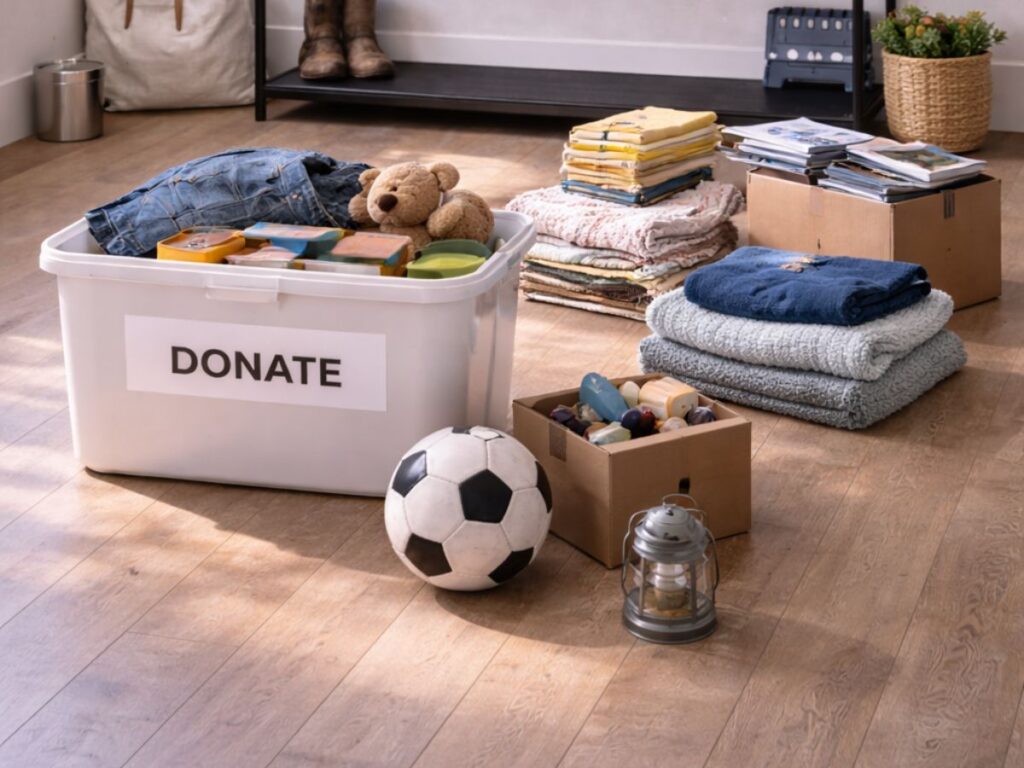
Why it fails: Items constantly enter your home. Mail, purchases, gifts, seasonal items, impulse buys. If there is no simple way for things to leave, your space slowly expands with them. Without an exit strategy, clutter quietly rebuilds itself.
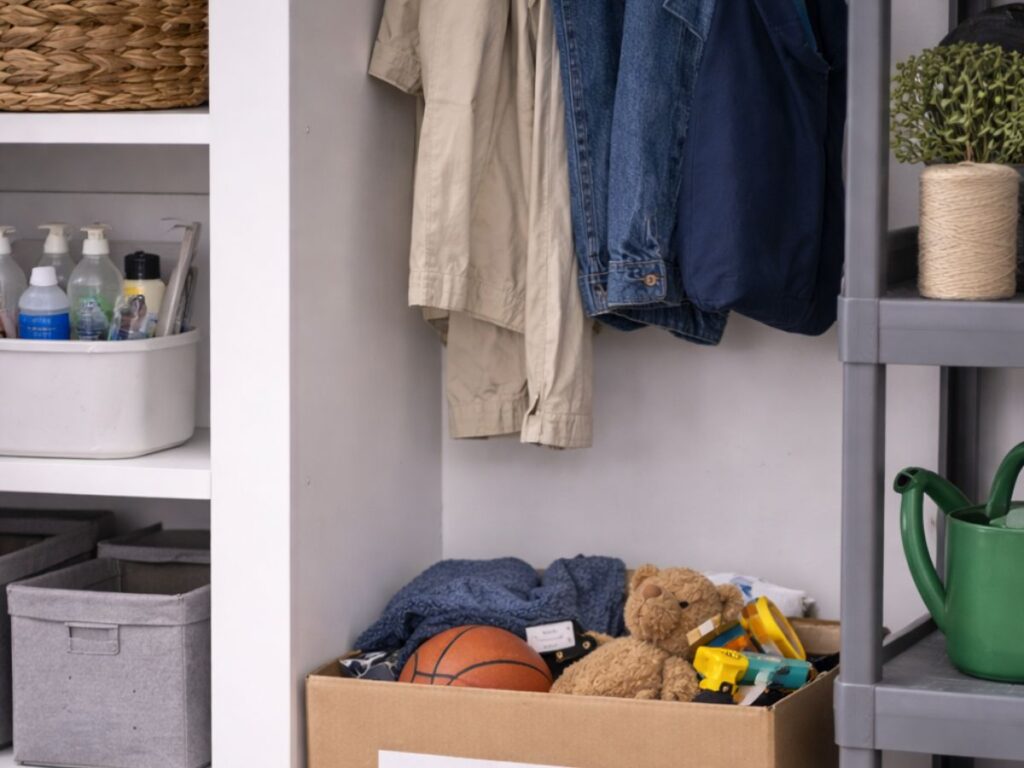
Fix: Keep a donation bag or bin ready at all times. Make it easy to drop items in the moment you realize you no longer use them. Once it is full, schedule a drop-off. When outgoing items are as easy as incoming ones, your home stays balanced.
12. You Think Organization Is a Personality Trait
Why it fails: When you believe organized people are simply wired differently, you stop trying to build systems that work for you. It becomes an identity issue instead of a skills issue. You tell yourself, “I’m just not that kind of person,” and the cycle continues.
Fix: Organization is not a personality trait. It is a learned skill supported by practical systems. Anyone can improve it by reducing friction, building small habits, and creating simple routines. You do not need to become a different person. You need better structures.

Organization Is a System, Not a Personality
Staying organized is not about having more discipline or waiting for motivation. It is about building systems that match your real habits, your current season of life, and your actual energy levels. When your organization works with you instead of against you, maintenance feels lighter and far less stressful. The goal is not perfection. It is sustainability. Choose one fix from this list and start there. Small, steady adjustments will always outperform dramatic overhauls.