
10 Everyday Ingredient Substitutes You Can Use When You’re Out of Something
Running out of a key ingredient mid-recipe doesn’t have to derail dinner. With a few smart substitutions, you can keep meals on track and sometimes even improve them. These simple swaps are pantry-friendly, easy to remember, and perfect for busy cooks looking to save time and avoid last-minute store runs.

Buttermilk Substitutes

Running out of buttermilk is one of those small kitchen hiccups that feels bigger than it is, especially when you are already mid-recipe. The good news is that most recipes that call for buttermilk are really just looking for a slightly tangy, acidic liquid that reacts the same way in baking. You can recreate that effect easily with ingredients you probably already have.
Here are some options:
- Stir 1 tablespoon lemon juice or vinegar into 1 cup of milk and let it sit for about 5 minutes. It will thicken slightly and take on that familiar tang, making it a reliable stand-in for pancakes, muffins, cakes, and quick breads.
- Another easy option is thinning plain yogurt or sour cream with a splash of water or milk until it pours easily. This works especially well in recipes where a bit of extra richness is welcome.
These substitutes will not taste exactly like traditional buttermilk on their own, but once mixed into a recipe, they behave the same way and get the job done without a special grocery trip.
Egg Substitutes
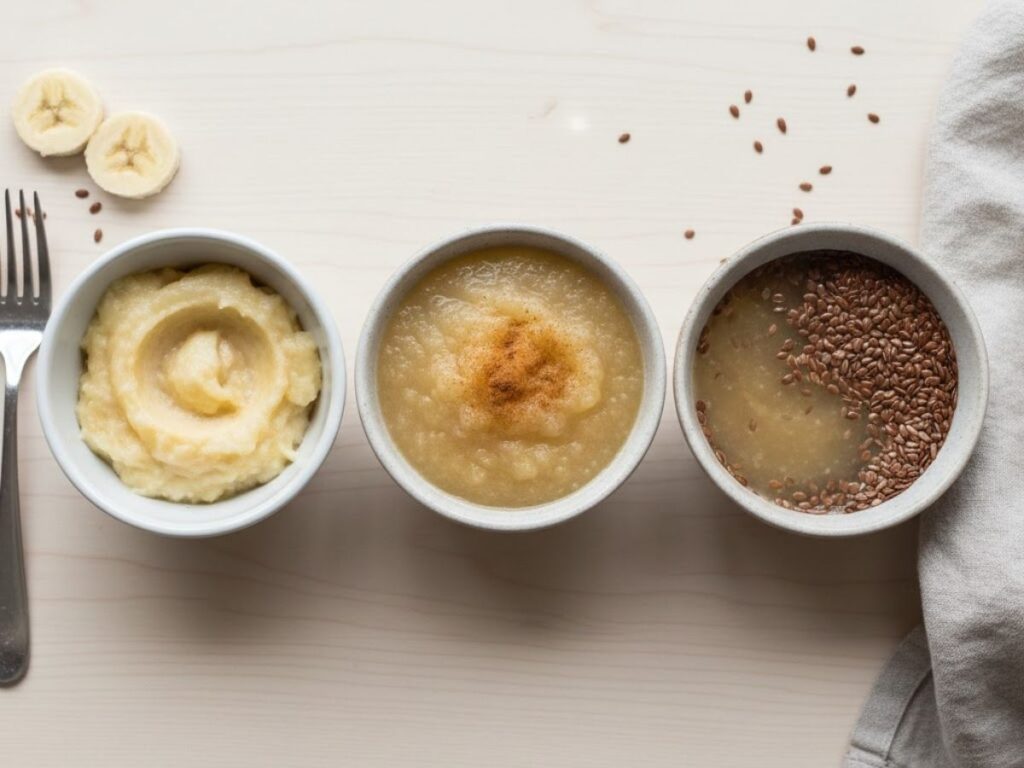
Running out of eggs can feel like a full stop, but in many recipes, eggs are doing just one simple job. They add moisture, help bind ingredients, or give baked goods a little structure. Once you know what your recipe needs, choosing a substitute becomes much easier.
Here are some options:
- Mashed banana works well in baking when a touch of natural sweetness is needed, such as in quick breads, muffins, and pancakes. Use about ½ cup mashed banana per egg and expect a slightly denser texture.
- Unsweetened applesauce is another reliable choice, especially for cakes and muffins that need moisture. About ¼ cup of applesauce can replace one egg and keeps baked goods soft without changing the flavor too much.
- For a more neutral option, mix 1 tablespoon ground flaxseed with 3 tablespoons water and let it sit for 5 minutes until thickened. This works well in cookies, bars, and simple baked recipes where structure matters more than rise.
These substitutes will not behave exactly like eggs in every situation, but for everyday baking, they are dependable enough to keep you moving forward without changing plans.
Milk Substitutes
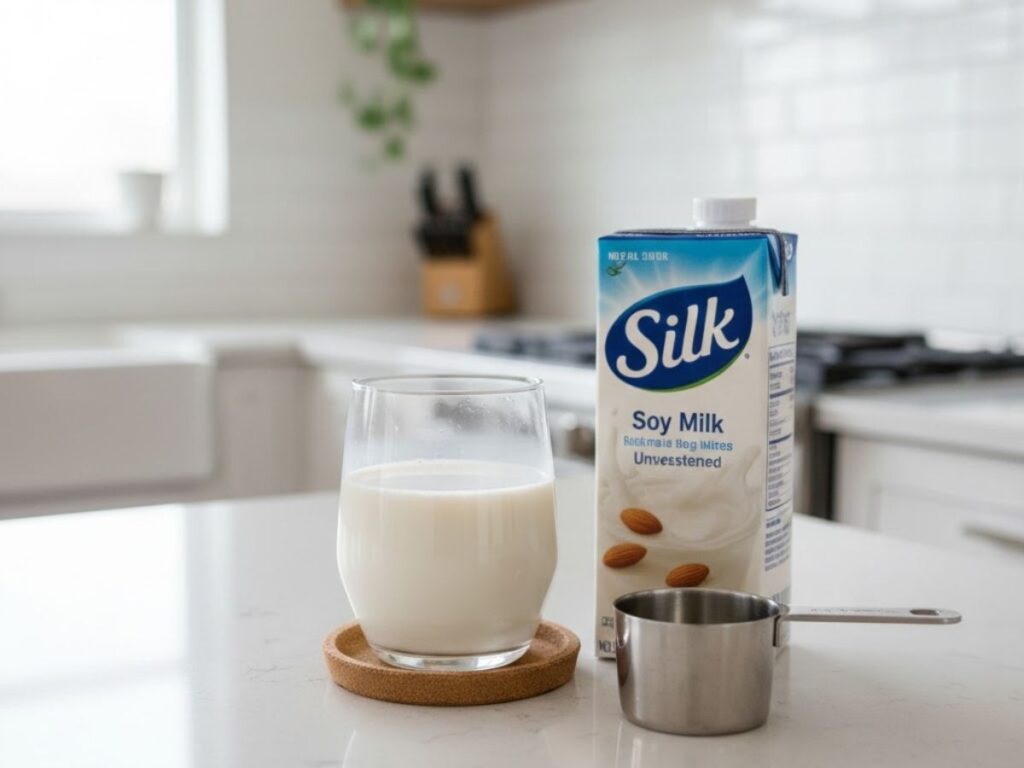
Running out of milk does not have to stop a recipe in its tracks. In most everyday cooking and baking, milk is there to add moisture and help bring everything together, not to stand out on its own. That makes it one of the easiest ingredients to swap when needed.
Here are some options:
- Plant-based milks like almond, oat, soy, or coconut milk work well in both cooking and baking. Choose unsweetened varieties when possible, especially for savory dishes.
- Evaporated milk mixed with water in a 1:1 ratio is a simple pantry swap that behaves very similarly to regular milk in recipes.
- Plain yogurt thinned with water can be used in baking when you need moisture and a slightly richer texture. Stir until it reaches a pourable consistency before using.
These substitutes are flexible and forgiving, making them easy to use when you need to keep dinner or baking plans moving without a store run.
4. Butter Substitutes
Butter Substitutes
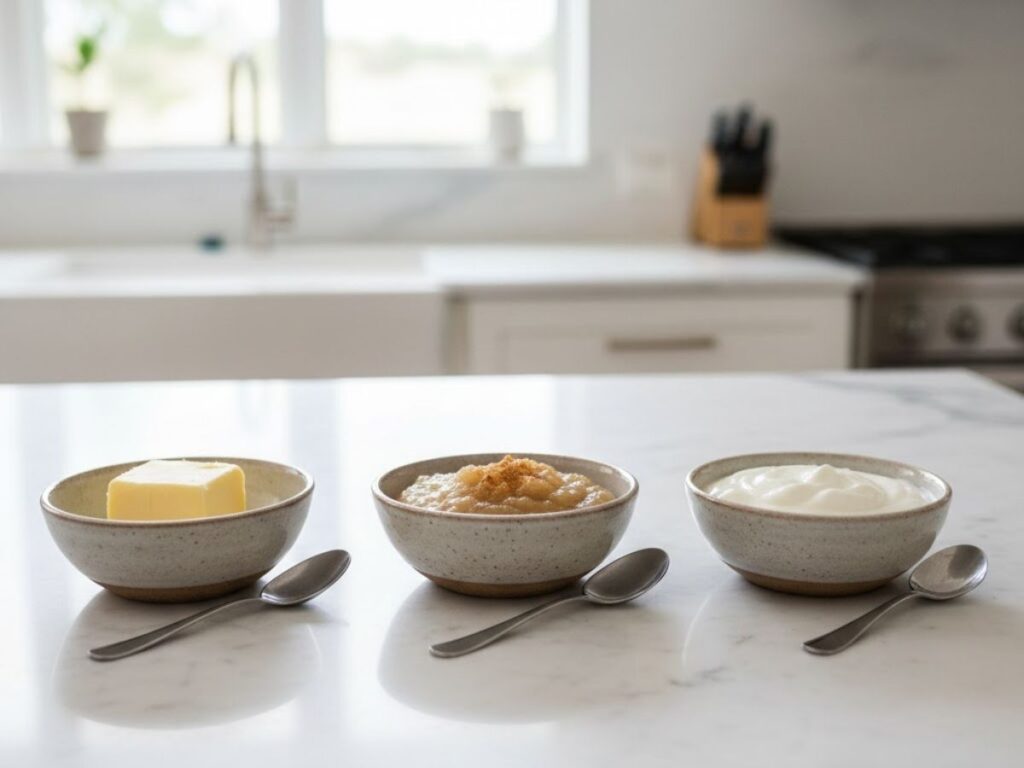
Butter brings flavor, moisture, and structure, but it is not the only ingredient that can do the job. In many everyday recipes, especially baking, butter plays a supporting role rather than being the main event. That makes it easier to swap than it might seem at first.
Here are some options:
- Margarine or vegetable oil can replace butter in most recipes using a 1:1 ratio. This works best in cakes, muffins, and quick breads where tenderness matters more than buttery flavor.
- Applesauce or mashed banana is a useful option for sweet baked goods, adding moisture and a softer crumb. These work well in things like snack cakes, muffins, and simple loaves.
- Greek yogurt adds moisture and creaminess and is especially helpful in baked goods that can handle a slightly denser texture.
Each of these substitutes changes the final result slightly, but they are reliable enough for everyday cooking and baking when you need to keep going without running to the store.
Sugar Substitutes

Running out of granulated sugar does not mean a recipe has to wait. In many everyday bakes, sugar’s main role is sweetness and moisture, which means there are several pantry swaps that can step in without much trouble. The key is knowing how each option behaves once it’s mixed in.
Here are some options:
- Honey or maple syrup works well in baking and cooking, adding sweetness with a slightly deeper flavor. Since these are liquid sweeteners, it helps to reduce another liquid in the recipe slightly to keep the texture balanced.
- Coconut sugar can be used in a 1:1 ratio for granulated sugar and works especially well in cookies, quick breads, and warm-flavored baked goods.
- Stevia or monk fruit sweeteners are useful when you want sweetness without adding bulk. These work best in simple recipes and drinks, since they do not behave the same way as sugar in baking.
Each substitute brings its own character, but all of them can help you finish a recipe without a last-minute store run.
Flour Substitutes
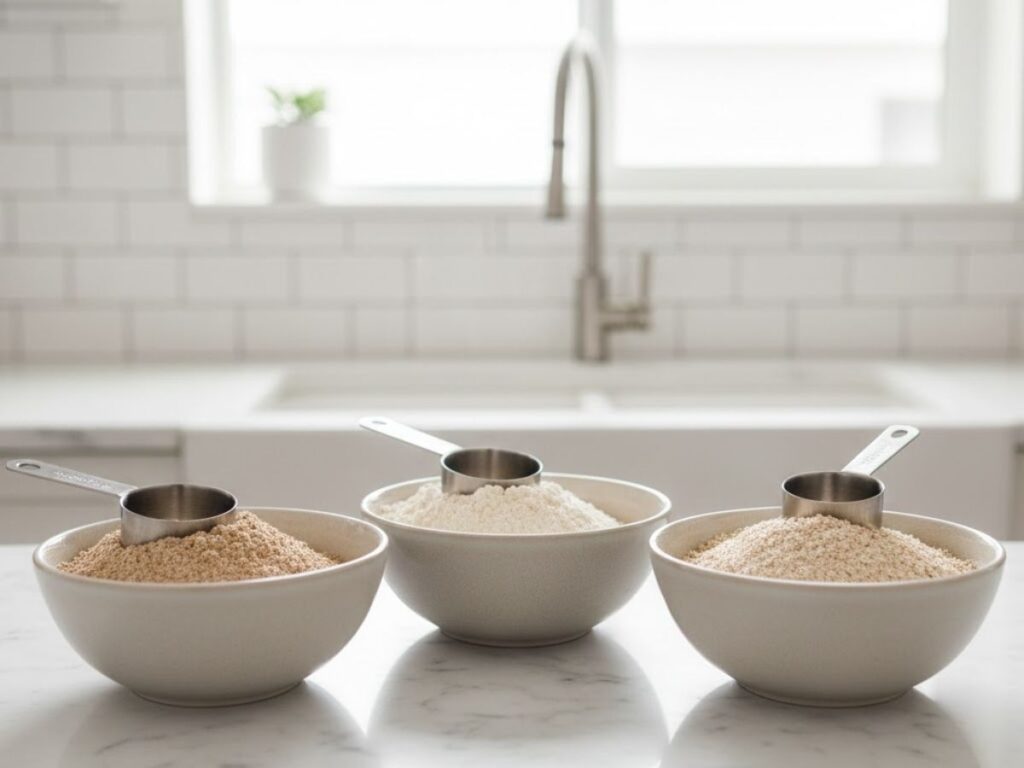
Running out of all-purpose flour can feel like a hard stop, but in many everyday recipes, there is some flexibility. Flour provides structure, thickness, or body, and depending on what you are making, there are a few swaps that can still get you where you need to go.
Here are some options:
- Whole wheat flour can replace all-purpose flour in most recipes, though it is slightly denser. Adding a small splash of extra liquid can help keep the texture from feeling too heavy.
- Almond flour or oat flour works well in baking when you are okay with a softer or more tender result. These are best used in muffins, quick breads, and simple baked goods rather than yeast-based recipes.
- Ground oats or finely crushed cereal can step in when flour is mainly being used to thicken soups, sauces, or stews rather than for structure.
These substitutes may change the final texture a bit, but they are often good enough for everyday cooking, especially when the goal is simply to finish a meal without another trip to the store.
Baking Powder & Baking Soda
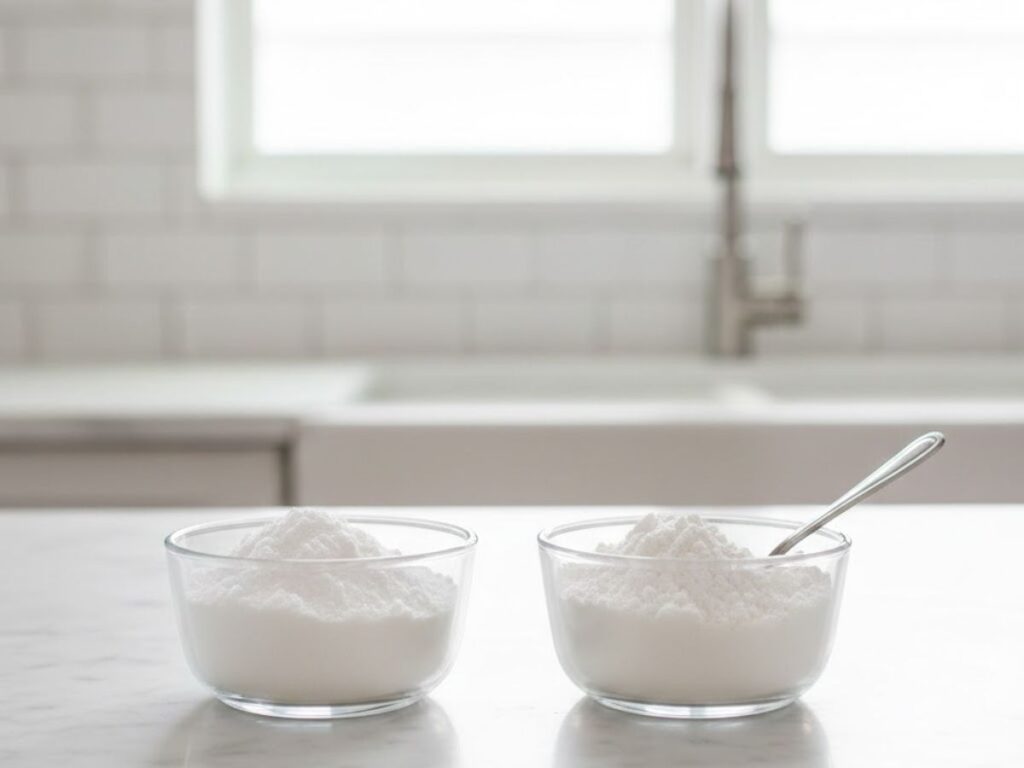
Running out of baking powder or baking soda can feel tricky because these ingredients do very specific work. They help baked goods rise and keep textures light. The good news is that if you understand the swap, you can still move forward without starting over.
Here are some options:
- Baking soda plus cream of tartar can stand in for baking powder. Combined together, they create the same leavening reaction used in many baked recipes. This works best when mixed evenly into dry ingredients before adding liquids.
- Self-rising flour can replace all-purpose flour and baking powder in recipes that already include both. Since it already contains leavening, it is an easy swap for things like pancakes, muffins, and simple baked goods.
These substitutes are most reliable in straightforward recipes. When baking is meant to be easy and forgiving, they are usually enough to get a good result without a last-minute store run.
Soy Sauce Substitutes

Running low on soy sauce is common, especially when cooking on the fly. In most recipes, soy sauce is there to add saltiness, depth, and that familiar savory note rather than a strong soy flavor. Once you think of it that way, a few simple swaps make sense.
Here are some options:
- Tamari or coconut aminos are the closest substitutes and can be used in equal amounts. They work well in stir-fries, marinades, and sauces where soy sauce is part of the background rather than the star.
- Worcestershire sauce diluted with a little water can step in when you need a savory boost. Use it sparingly, as the flavor is more concentrated and slightly different.
- A quick pantry mix made with balsamic vinegar, salt, and a small amount of molasses can mimic the balance of salty and slightly sweet notes found in soy sauce. This works best in cooked dishes rather than as a finishing sauce.
These substitutes will not taste exactly the same, but they are close enough to keep a dish balanced and satisfying when you need to improvise.
Vinegar Substitutes

Running out of vinegar is usually less of a problem than it first appears. In most recipes, vinegar’s main job is to add acidity and brightness, not to dominate the flavor. Once you focus on that tangy element, there are a few easy ways to replace it.
Here are some options:
- Lemon or lime juice can replace vinegar in equal amounts in most recipes, offering the same acidity with a slightly fresher flavor.
- White wine vinegar or apple cider vinegar can be swapped for one another easily, even though the flavor shifts slightly. This works well in dressings, marinades, and sauces.
- Plain yogurt or buttermilk can step in for vinegar in creamy dressings and sauces where acidity is needed, but a sharp bite is not.
These substitutes keep flavors balanced and bright, making it easy to adjust without interrupting a recipe halfway through.
Cream Substitutes
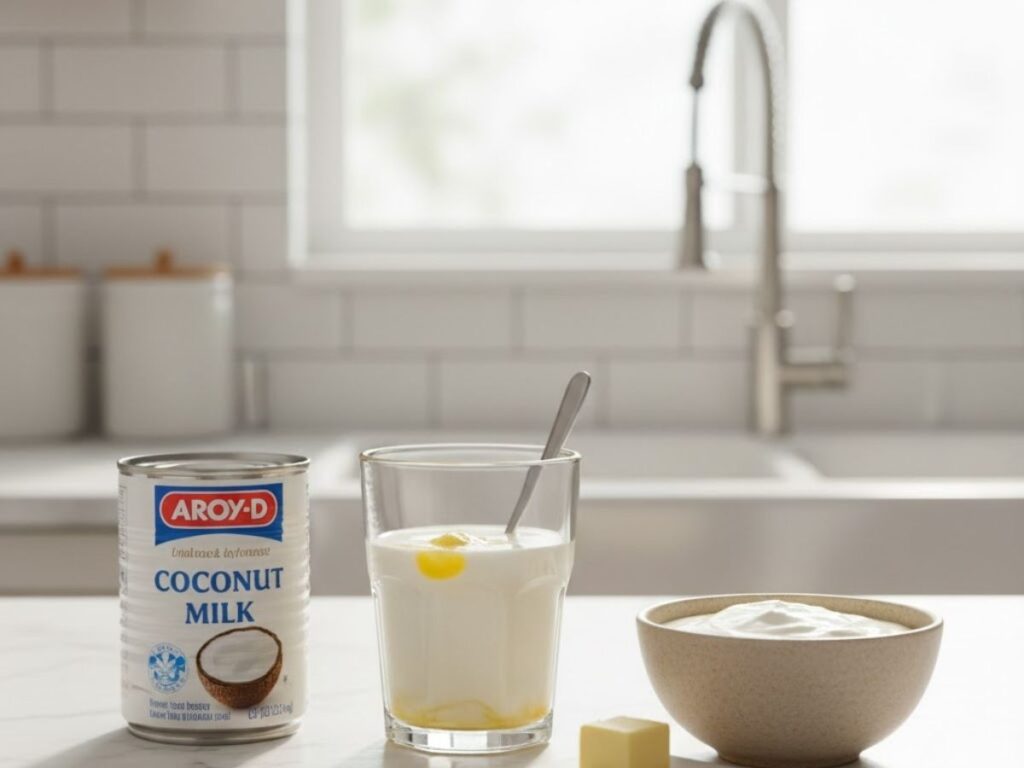
Running out of heavy cream does not mean a recipe is off the table. In many dishes, cream is there to add richness and body rather than a specific flavor, which makes it easier to replace than it seems at first.
Here are some options:
- Coconut milk works well when you need richness, especially in soups, curries, and sauces. Choose full-fat for the closest texture.
- Milk combined with melted butter can mimic the fat content of cream. Mixing 1 cup of milk with about ⅓ cup of melted butter creates a workable substitute for cooking and baking.
- Greek yogurt thinned with milk adds creaminess and works best in sauces, casseroles, and baked dishes where a slight tang fits naturally.
These substitutes will not whip like heavy cream, but they are dependable for everyday cooking when the goal is a creamy, finished dish without a store run.
Every cook runs out of ingredients from time to time. With these everyday substitutes, you can keep meals on track without stress or last-minute grocery runs. The best substitutions are simple, pantry-friendly, and flexible, letting you stay creative in the kitchen while saving time and reducing waste.
More To Explore
- Rainy day at home is about keeping things simple, cozy, and easy to enjoy. It brings together low-effort comforts, one-pot meals, and quiet self-care ideas that suit a slower day indoors. Think warm food, minimal cleanup, and small rituals that make staying home feel intentional. A calm, practical way to let a rainy day unfold at its own pace.
- Cozy work-from-home day is about creating a calm rhythm that supports focus. It brings together gentle routines, soft layers, and simple snack ideas that make working from home feel steady and comfortable. Think warm drinks within reach, clothes that feel good all day, and breaks that actually reset your energy. A practical, cozy approach to getting things done while keeping the day relaxed and grounded.
- The seasonal self-care box is about creating a small, thoughtful setup that changes with the seasons. The idea is to keep self-care visible, easy to reach, and part of daily life rather than a big project. A quiet, practical way to mark the seasons at home.
- When time is tight, the right kitchen gadgets make all the difference. This collection focuses on reliable tools that speed up prep, reduce cleanup, and support real weeknight cooking. Nothing fancy, just things that actually help.
- A smoother kitchen doesn’t always come from new tools. Sometimes it’s just knowing a few simple tricks that make everyday cooking feel easier and less wasteful. These quick kitchen hacks use pantry staples you already have and focus on small changes that quietly save time and effort where it matters most.