How to Transition Wardrobe to Fall Without Buying Anything New
Fall does not arrive all at once, and neither should your closet. The mistake most women make every September is trying to do a full swap in one weekend. Everything summer goes into bins, everything fall comes out, done. It never works because the first two weeks of fall can still bring 80 degree afternoons and 55 degree mornings. A closet built for one temperature leaves you underdressed or overdressed by lunchtime. Learning how to transition wardrobe to fall the right way starts with accepting that the swap happens in stages, not in a single pass.
Learning how to transition wardrobe to fall is really about layering two seasons for about six weeks. It is not about swapping one season for another overnight. Some pieces carry over, while others need to come out early. A third group can wait until the first real cold snap. Sorting them this way makes the fall wardrobe transition much easier. Once those three categories are set, how to transition wardrobe to fall stops being a guessing game and turns into a short checklist.
Quick answer: How to transition wardrobe to fall starts with sorting your closet into three groups: carryover, layer-in, and store. Pull five to seven transitional pieces to the front of the closet. Then wait to pack away summer clothes until nighttime temperatures consistently drop below 50 degrees. This spreads the work over several weeks instead of one overwhelming weekend.

How to Transition Wardrobe to Fall When You Run Warmer After 45
Temperature regulation changes with age, and a lot of women in their 40s and 50s notice they run warmer than they used to, especially through hot flashes or general hormonal shifts. That makes heavy fall layering uncomfortable if it happens too early, which is exactly why how to transition wardrobe to fall matters more after 45 than it did at 25. A wardrobe that transitions in stages, rather than all at once, lets you add warmth only when your body actually needs it.

Disclosure: This post may contain affiliate links. This means I get a small commission if you decide to make a purchase through my links at no extra cost to you.
Decision fatigue is the other factor behind why how to transition wardrobe to fall deserves a real method instead of guesswork. A closet with every season mixed together forces a small decision every single morning: is it a summer day or a fall day. Sorting the closet by transitional stage removes that decision before it starts, because everything in front of you is already dressed for the actual weather.
How to Transition Wardrobe to Fall: When to Start
Start when the morning temperature regularly drops below 65 degrees, not on a calendar date. Pin the actual switch to your local forecast instead of the first day of September. In most of the country, that means late September to mid-October. The thermometer matters more than the date on the page.
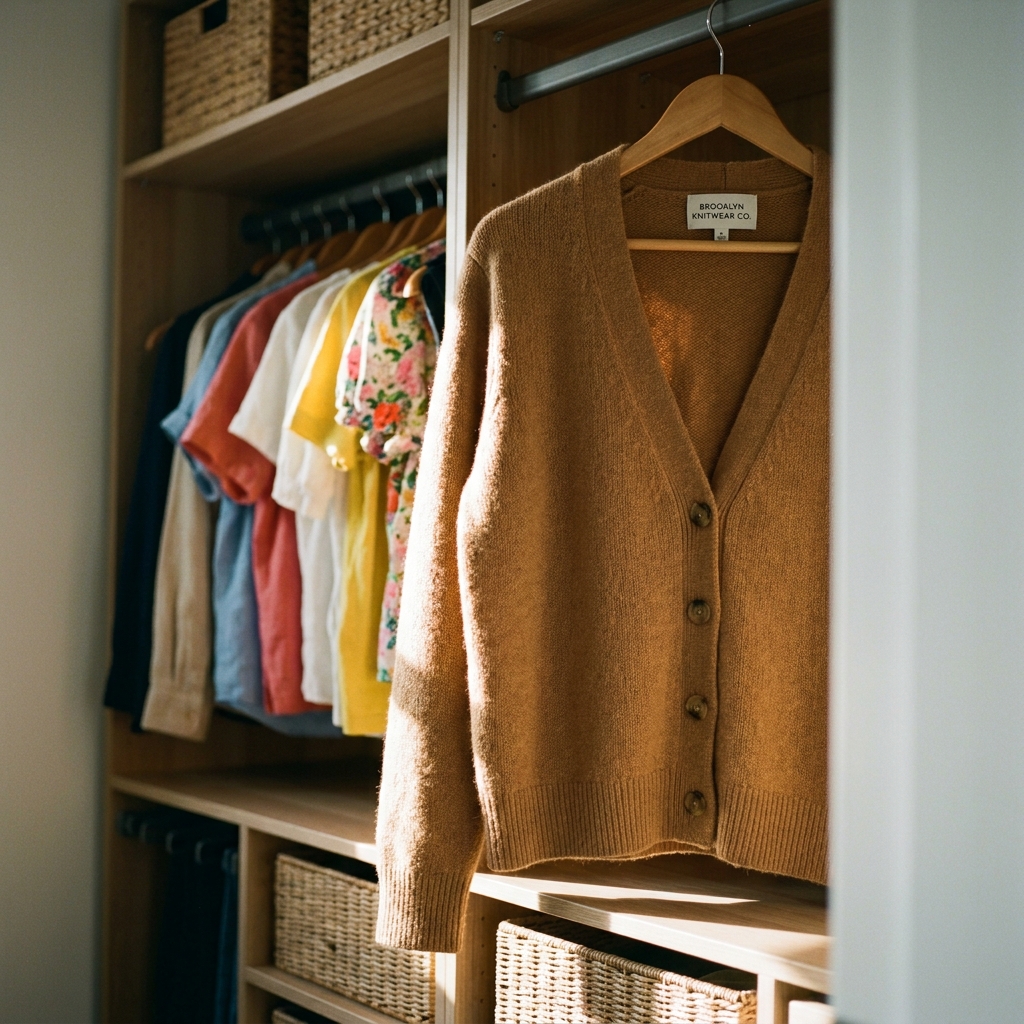
The earliest sign is usually a single cardigan or light jacket making its way to the front of the closet. This often happens weeks before anything else changes. That is the correct instinct. A fall wardrobe transition starts with one piece, not the whole closet. Let one or two transitional pieces lead the way instead of trying to make the switch in a single pass.
How to Transition Wardrobe to Fall With the Three-Box Method
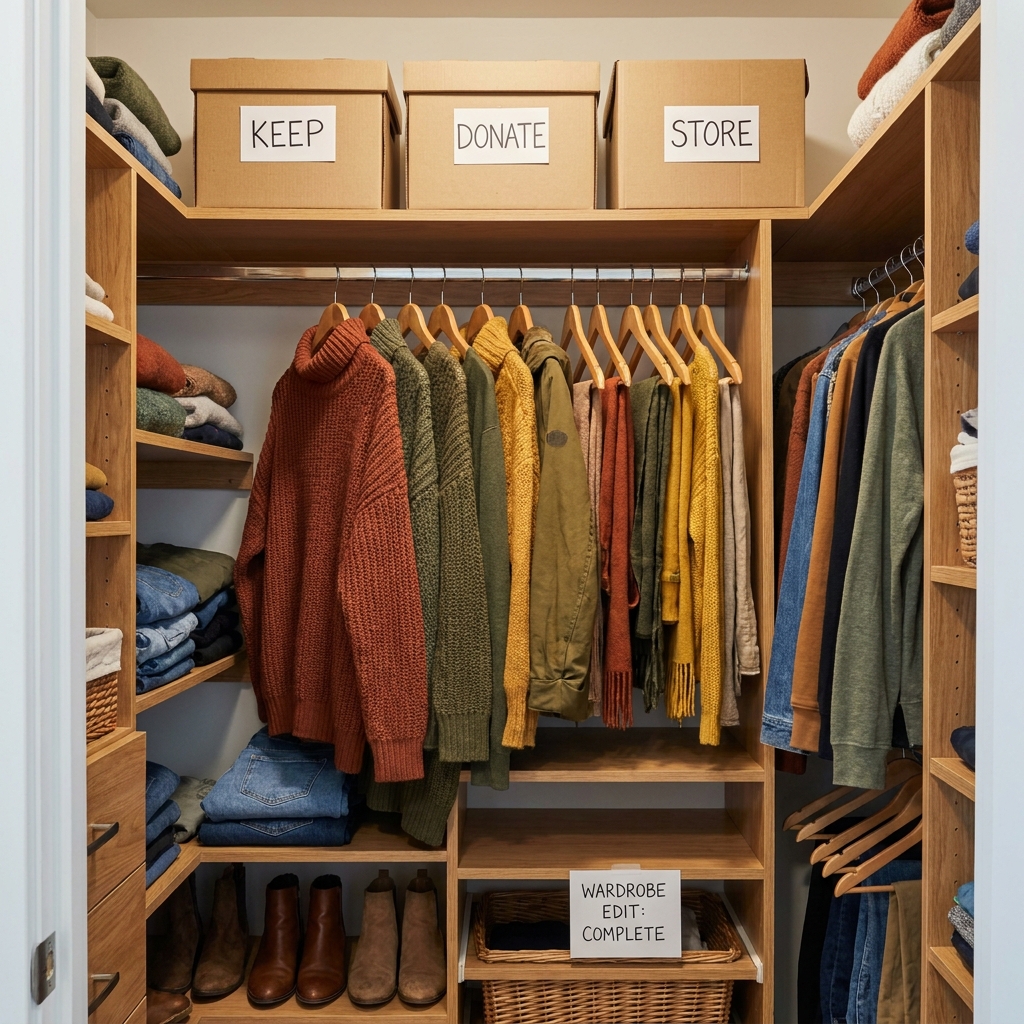
A three-box sort is the fastest way to answer how to transition wardrobe to fall without losing a weekend to it. Every hanger and drawer gets assigned to one of three groups.
Carryover pieces work in both seasons with almost no change. Straight-leg jeans, neutral t-shirts, a linen button-down, and lightweight cardigans all fall into this group. Leave them exactly where they are; fall jean outfits for women over 50 shows how the same denim pairs with new layers once the season fully turns.
Layer-in pieces are the fall-specific items that solve the actual temperature swing: a midweight cardigan, a denim or utility jacket, ankle boots, and a couple of long-sleeve layering tees. Pull these to eye level in the closet so they are the first thing you reach for.
Store pieces are true summer-only items, things like linen shorts, strapless tops, and sandals with no fall use. These get packed away last, after the first cold week actually arrives, not before.
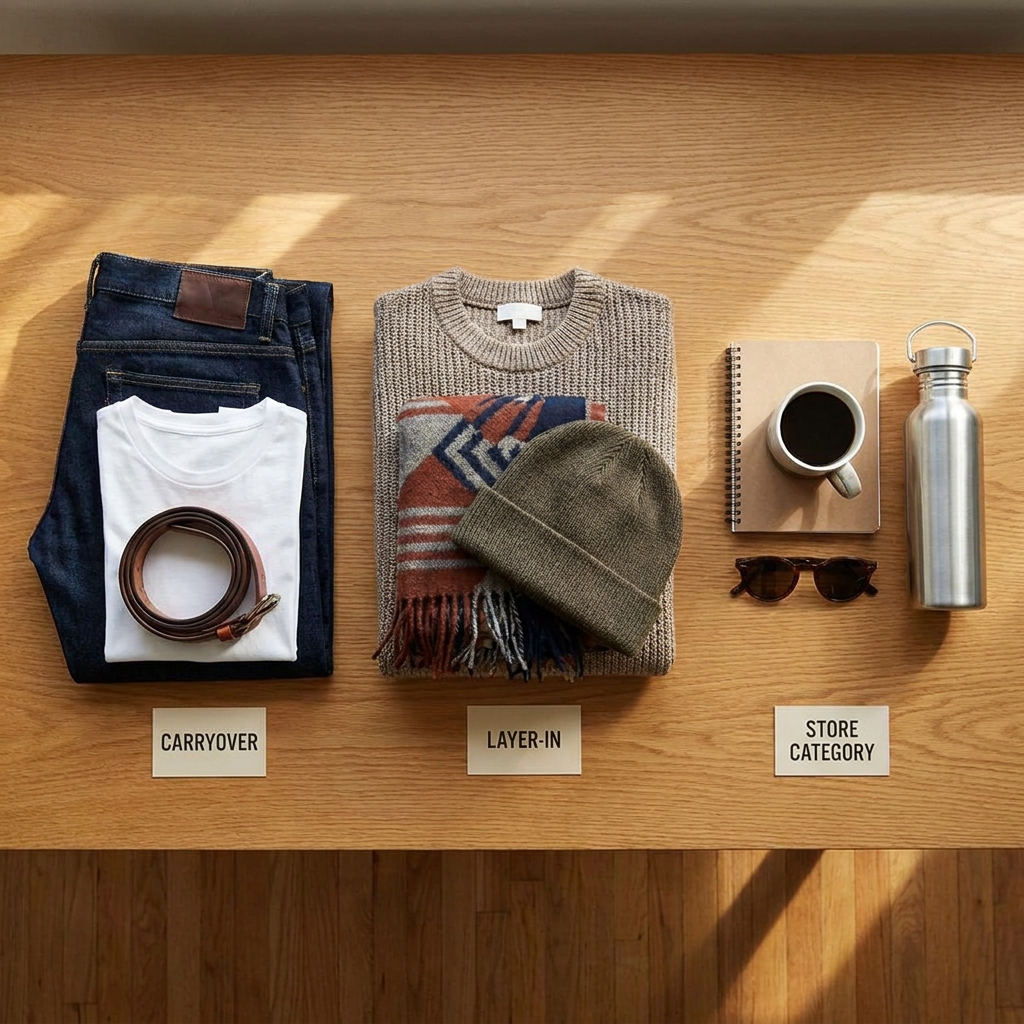
This three-box order makes it easier to transition your wardrobe from summer to fall. It works the same way whether the closet is large or small.
After sorting these three groups, the rest of the process usually takes care of itself. The layer-in pieces can also become the starting point for a fall capsule wardrobe if a smaller, more intentional closet is the goal.
How to Transition Wardrobe to Fall Without Buying Anything New
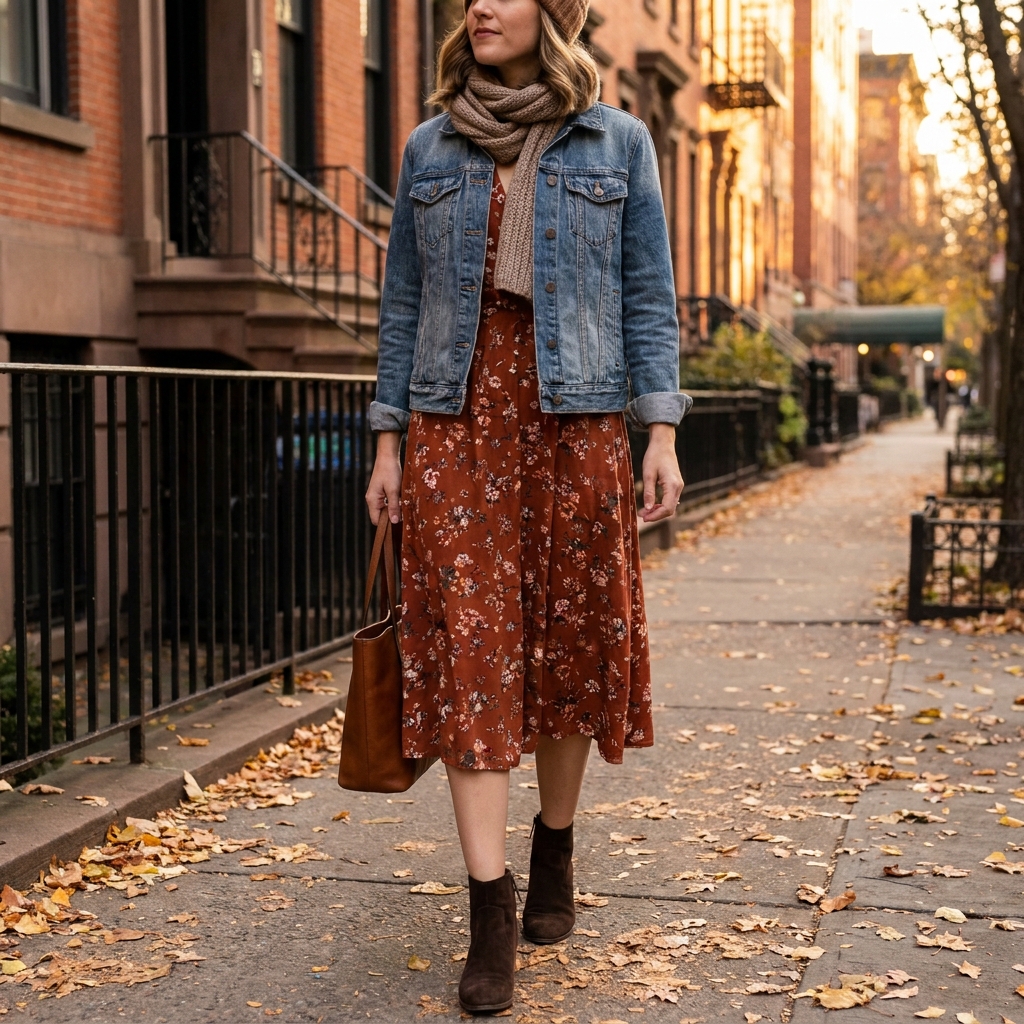
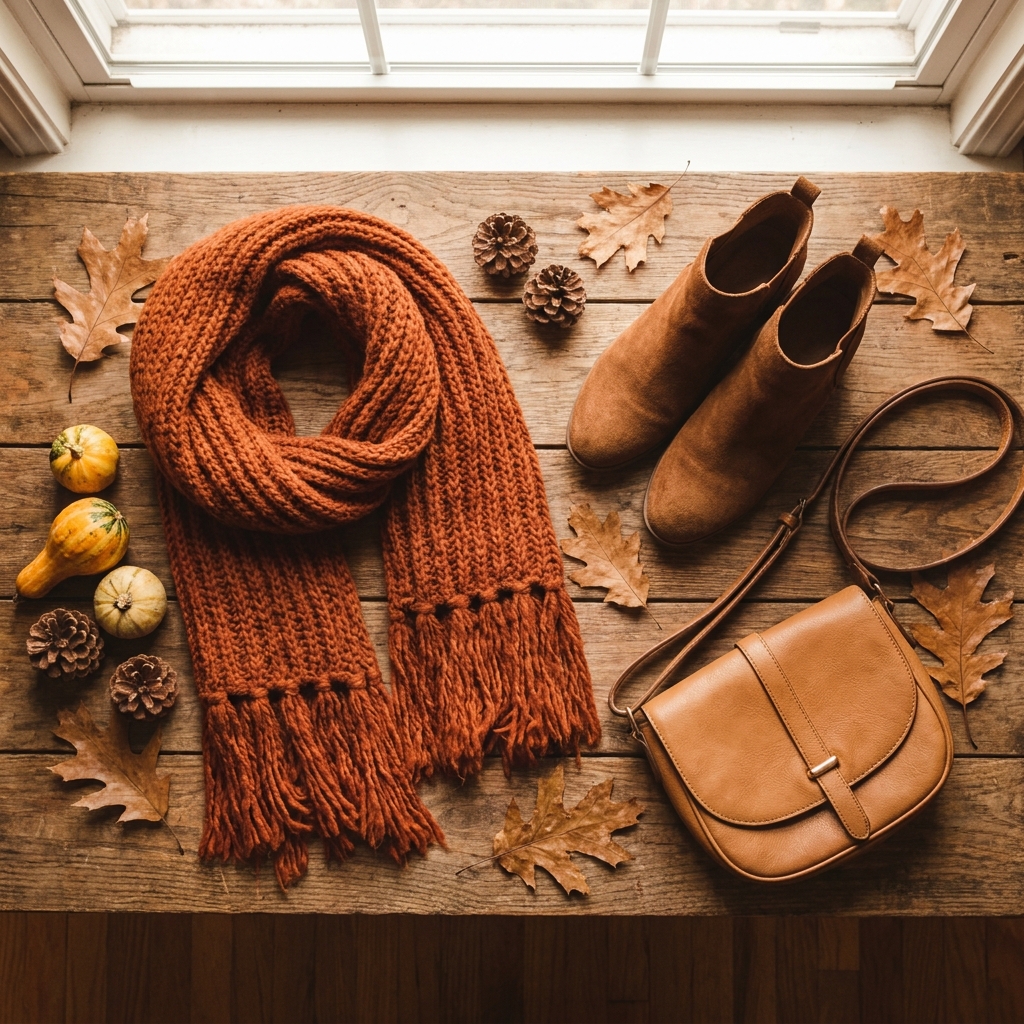
You do not need to buy anything to start. Most closets already have the five pieces that make a fall transition work. These include a midweight cardigan, ankle boots, a denim or utility jacket, a scarf, and dark wash jeans. If one is missing, consider making that your only purchase before the season shifts. You do not need a full new fall wardrobe. Your existing closet can usually do most of the work.

A scarf does more transitional work than almost any other single item. It adds warmth around the neck and chest without requiring a heavier layer everywhere else.
For full looks built from exactly these five pieces, early fall outfits for women over 50 covers the in-between weeks this method is designed for.
How to Transition Summer Clothes to Fall Without a New Wardrobe
Layering makes it possible to transition summer clothes to fall without buying anything new. For most closets, layering is the simplest way to extend summer pieces into the next season. A sleeveless summer dress gets a long-sleeve layering tee underneath and tights below, and it works through October. A linen button-down worn open over a plain tank becomes a jacket instead of a top. Sandals move to closed-toe flats or loafers with the exact same jeans and skirts already in the closet.
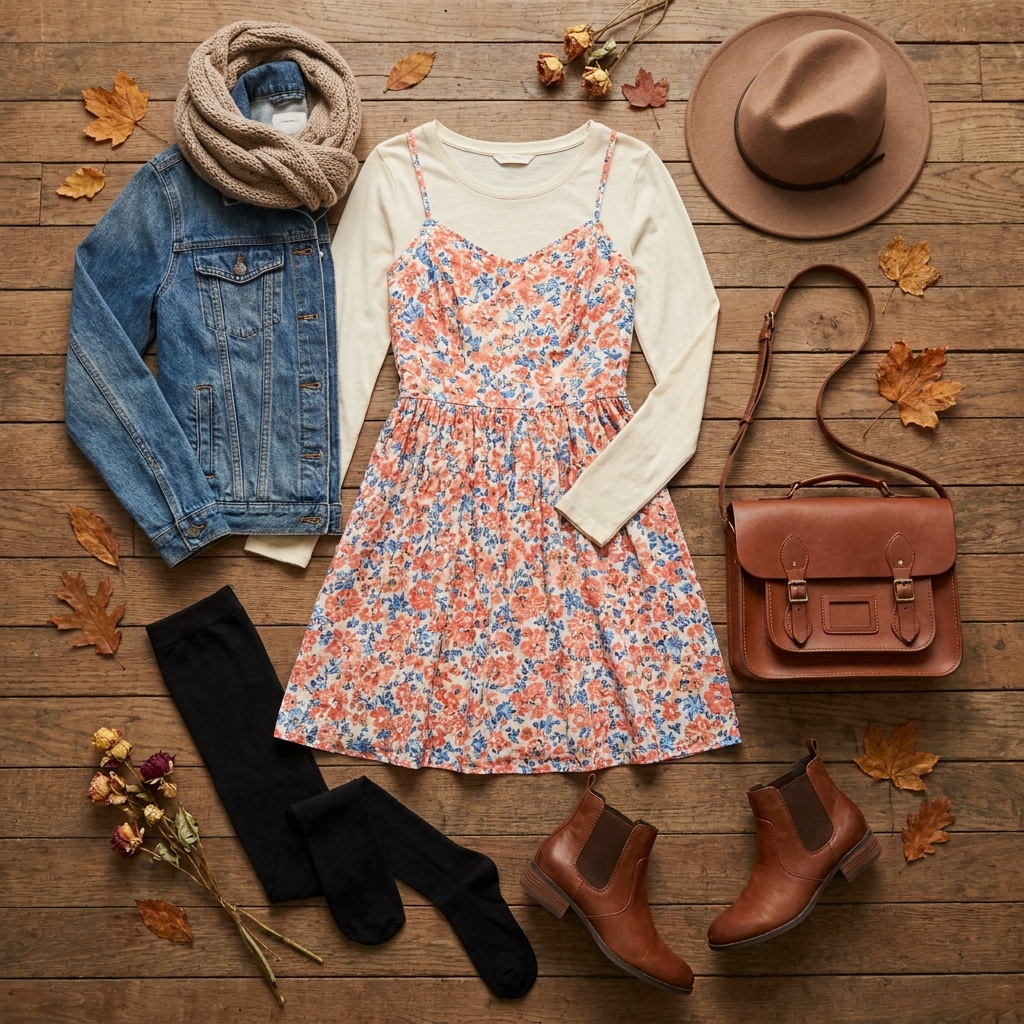
The goal is treating every summer piece as a base layer rather than retiring it the moment the temperature drops. Most warm-weather pieces have another two months of use left once something is layered over or under them, which is the fastest route to transition summer clothes to fall on a budget of zero dollars, and it is the same logic behind how to transition wardrobe to fall as a whole.
How to Transition Wardrobe to Fall: What to Do With Clothes You Are Not Wearing Yet
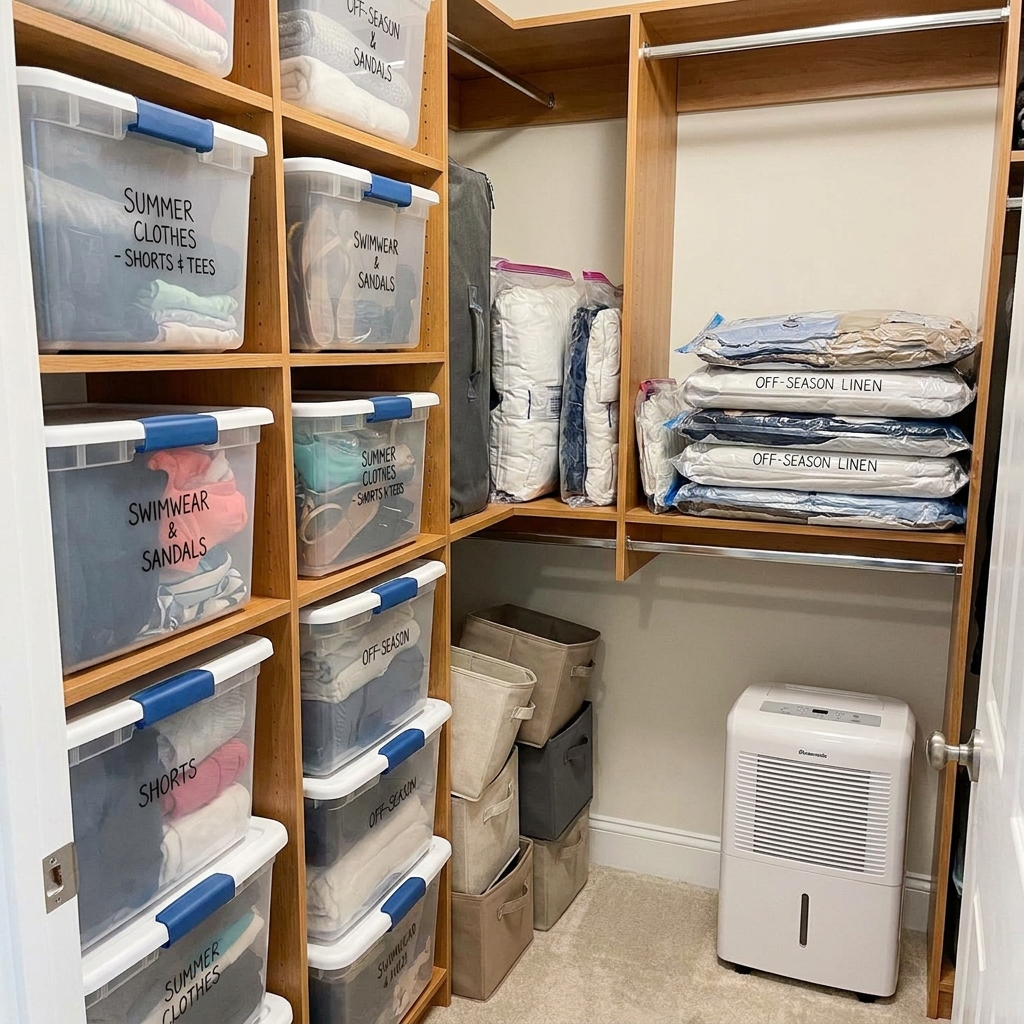
Anything in the store group does not need to leave the house immediately. Vacuum-sealed bags or labeled bins keep summer pieces accessible but out of the way. Label them by category rather than by month so they’re easier to find again in spring. Wait until nighttime temperatures are reliably under 50 degrees before this step. An early cold snap in September is often followed by two more weeks of warm afternoons. This waiting period is the part of how to transition wardrobe to fall most people rush, and rushing it is what leads to digging summer clothes back out two weeks later. Once true cold weather does arrive, 30 practical ways to rotate wardrobes and store winter clothes picks up where this storage step leaves off.
How to Transition Wardrobe to Fall: Pieces Worth Prioritizing First
Once the three-box sort is done, a short list of fall pieces earns its place at the front of the closet. For anyone short on time, these pieces make the transition much easier:
A midweight cardigan works over almost everything already in the closet. It also covers a wide temperature range, making it an ideal piece for the fall transition.
Neutral ankle boots can replace sandals with your existing jeans, skirts, and dresses. You don’t need to build a completely new outfit around them.
A denim or utility jacket handles the 55 to 65 degree range that a heavy coat is too warm for and a t-shirt is too cold for.
One long-sleeve layering tee in black or cream works under sleeveless dresses and short-sleeve tops. It can extend their season by several weeks. Once these four pieces are in place and the weather has fully turned, 20 fall outfits for women over 50 picks up with full seasonal looks for every occasion.

How to Transition Wardrobe to Fall FAQs
Plan for four to six weeks rather than one weekend. Move layer-in pieces to the front in the first sitting, then pack away true summer items only once nighttime temperatures are consistently below 50 degrees. This timeline is standard advice for how to transition wardrobe to fall no matter the climate.
No. Most closets already hold a cardigan, jeans, and closed-toe shoes capable of carrying summer pieces into fall. A scarf and one jacket are usually the only gaps worth filling, which keeps how to transition wardrobe to fall a low-cost project for most people.
Sort into three groups, carryover, layer-in, and store, and only move the store group out of the closet. Carryover and layer-in pieces stay exactly where they are, just rearranged to the front, which is the shortest version of how to transition wardrobe to fall available.
The answer to how to transition summer clothes to fall is to layer rather than retire. A tank becomes a base layer under a cardigan, a sundress gets tights and boots, and sandals are the only category that typically needs a true fall replacement.
The method is the same, though the search phrase transition wardrobe fall women over 50 usually points to searchers wanting looser, more forgiving layering pieces rather than fitted ones, which the carryover and layer-in groups above already account for. How to transition wardrobe to fall does not change with age, only the specific pieces chosen for each group do.
No. Hold off until nighttime temperatures are reliably under 50 degrees. An early cold snap is often followed by another warm stretch, and packed-away summer pieces are hard to reach for a one-off warm day, which is why patience matters as much as method in how to transition wardrobe to fall.