Penpal Letters for People Who Don’t Know What to Say
Sitting down to write a penpal letter can feel oddly difficult. You’re ready to write, the page is empty, and suddenly you’re not sure how to begin. If you don’t know what to say, it doesn’t mean you’re bad at staying in touch. It usually means you’re putting too much pressure on penpal letters. Most people get stuck because they think a letter has to be meaningful, interesting, or carefully worded, when it really doesn’t.
This post on writing penpal letters keeps things simple. It walks through an easy way to shape a letter, a few comfortable topics to lean on, and low-pressure lines you can use to get started. The goal is to help you write a real penpal letter today, even if it’s short and a little imperfect.
A Simple Penpal Letter Shape That Works
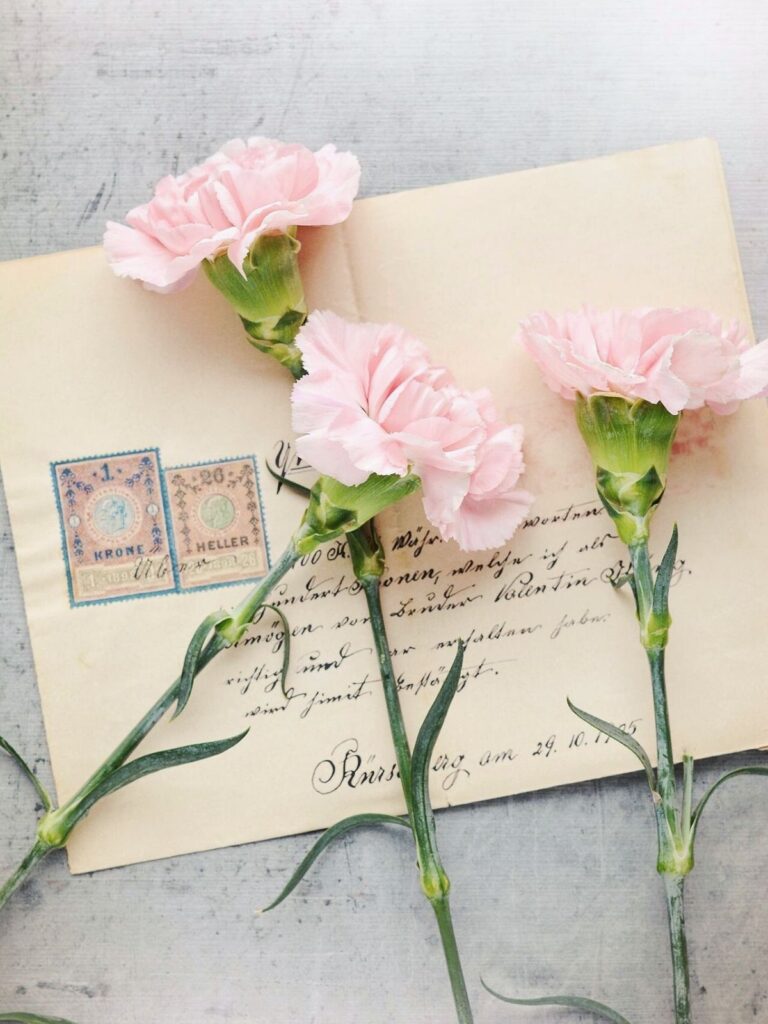
When words feel hard, it helps to lean on a simple shape instead of trying to figure everything out as you go. You don’t need to say something clever or cover every update. A steady structure gives you a place to begin.
On low-energy days, a short letter is enough. Aim for six to ten sentences: a friendly greeting, one small moment from your day or week, a single question, and a warm closing. That’s it. A short letter still counts and keeps the thread going.
When you have a little more room, stretch it into two or three short paragraphs. Start with a greeting, then share one small moment and add a simple detail, like a sound you noticed, a smell from the kitchen, or a color that keeps catching your eye. Ask one question, with a second only if it feels natural, and close the way you would at the door, kind and unforced.
The 4-Part Letter Rhythm
Most good penpal letters follow the same quiet rhythm. You don’t need to reinvent it each time.
- Greet. Keep it simple and friendly. “Hi, I hope today’s been kind to you,” or “I was thinking about you this week,” is more than enough.
- Share one moment. Choose one small, real moment and add a feeling. A recipe you tried, a short walk, a song on repeat, a tidy corner at home, or a small win you noticed. One moment is enough.
- Ask one question. Think of this as an invitation, not a task. One question is plenty. Two is generous.
- Close warm. End the way you would at the door. “Write when you can,” “I’ll be glad to hear from you,” or “Take good care,” all work.
What to Write When Your Mind Goes Blank
A good penpal letter doesn’t need big news. It just needs a few true details, the kind you’d naturally share while tidying the kitchen or folding laundry. Those are often the most comforting things to read.
It helps to match what you write to how well you know your penpal. With someone new, lighter topics keep things easy and open. With a long-time penpal, you can go a little deeper, but you still don’t need a dramatic update. Familiar routines and everyday moments are often the most enjoyable parts of a letter.
When you’re stuck, think small. One detail, then one feeling, is usually enough. Everyday details people actually enjoy reading aren’t life stories. They’re small, readable slices of real life.
- Something you cooked, baked, or pulled together on a weeknight
- A snack phase you’re in right now, salty, sweet, crunchy, or warm
- A show, podcast, or book you’re into, plus one sentence about why
- A tiny win you noticed, clearing a counter, answering an email, taking a short walk
- A funny moment you overheard or something that made you laugh
- A small change at home, moving a chair, adding a lamp, clearing a shelf
- A routine that’s helping, even if it’s just making the bed
- A memory sparked by a smell, a song, or a familiar flavor
A simple way to write it is to share the detail, then name how it felt. For example: “I made soup, and the kitchen smelled like garlic for hours.”
Seasonal Openers That Keep Letters Easy
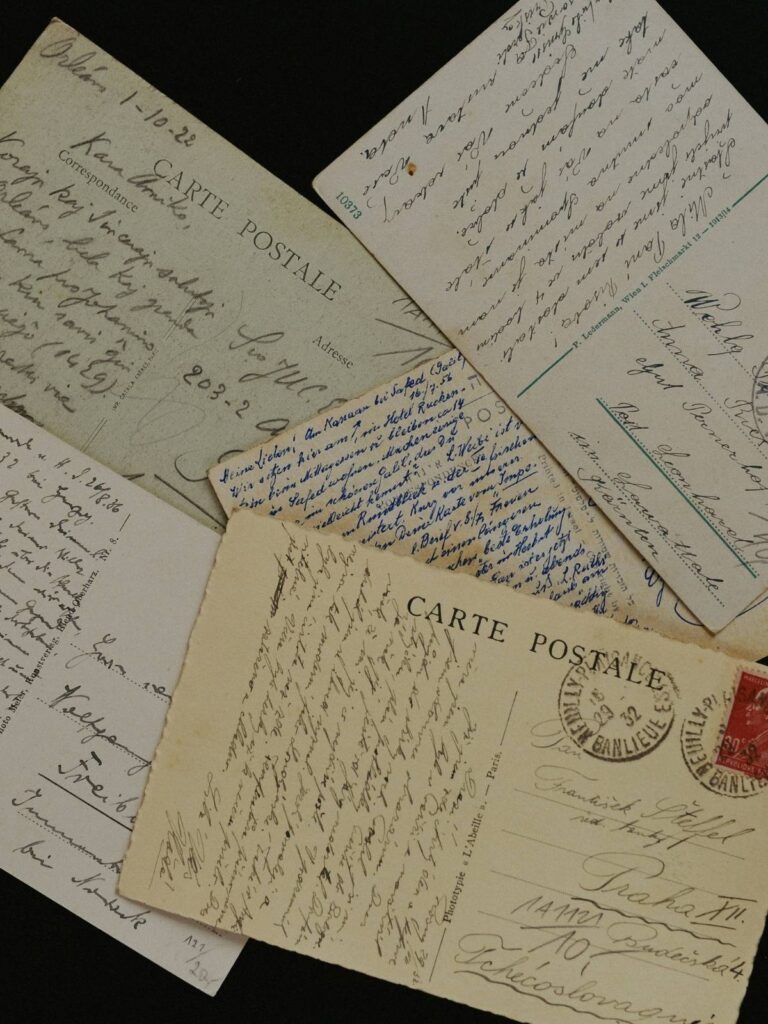
Seasons are a helpful shortcut when your mind goes blank because the world hands you the topic. You’re not inventing anything, just noticing what’s already there.
- Winter
- “My current warm drink is…”
- “Something I’m doing to make winter feel softer is…”
- “A small reset I want this month is…”
- “My coziest evening looks like…”
- Spring
- “The first sign of spring I noticed was…”
- “A simple home refresh I like is…”
- “Something I’m planting, buying, or hoping to see bloom is…”
- Summer
- “A summer meal I keep repeating is…”
- “The best part of my day outside is…”
- “A simple weekend plan I love is…”
- Fall
- “Something I like about early darkness is…”
- “A comfort meal I wait for all year is…”
- “One thing I’m organizing before the season changes is…”
Seasonal openers work well with penpals because they feel current without asking for anything too personal. They give the letter a sense of time and place, which is often all it needs to feel complete.
When Ordinary Is Enough
You don’t need the right words to write a good letter. You just need a moment and a willingness to put it on the page. Most penpal letters aren’t memorable because they’re well-written. They’re memorable because they feel real. A few true details, one honest question, and a warm close are enough to keep the connection going. If the page feels blank again next time, come back to the simple shape. Write what’s nearby. Let the letter be ordinary. That’s usually what makes it worth keeping.
More To Explore
- In a year full of quick messages and constant noise, handwritten letters offer a slower way to feel close again. A few thoughts on writing by hand, what makes letters different, and why people still keep them long after they’re sent.
- Seasonal home scenting is a simple way to mark the passing of the year using candles, essential oils, and fresh greens. Each season carries its own mood, and choosing one grounding scent helps anchor that feeling at home in a calm, intentional way.