The Emotional Rollercoaster Days: How I Regain My Center With Adult ADHD
Some days feel like a rollercoaster for me. My emotions can swing quickly, my energy dips and surges, and I notice how easily I can feel off balance without much warning. As an adult navigating life with ADHD, these emotional ups and downs can be especially draining on the days when everything feels louder than usual. For me, adult ADHD emotions often show up as sudden shifts in energy and mood that can feel hard to predict in everyday life. There is no magic fix, but over time, I have found that a few simple lifestyle habits and grounding routines help me regain my center and move through the day with more steadiness.

Start With a Gentle Morning Ritual
Rushing into the day almost always makes everything feel louder for me. I have learned that when I start my morning with calm, even in small ways, the rest of the day feels more manageable. These routines are small, but they help me navigate adult ADHD emotions without trying to control or suppress them.
- Stretch or move gently: A few minutes of stretching, a simple yoga pose, or a slow walk helps me wake up without overwhelming my body.
- Mindful beverage moment: Taking time to enjoy my tea or coffee in a quiet spot gives me a small but grounding pause before the day picks up speed.
- Journaling or note-taking: Even writing down one intention or something I am grateful for helps anchor my thoughts before everything else starts competing for attention.
Break Tasks Into Tiny Steps
On days when my emotions and energy are fluctuating, even simple tasks can feel heavy. I have found that breaking things into very small, manageable steps keeps me moving forward without adding pressure. I have learned that working with adult ADHD emotions, rather than pushing against them, makes the day feel more manageable.
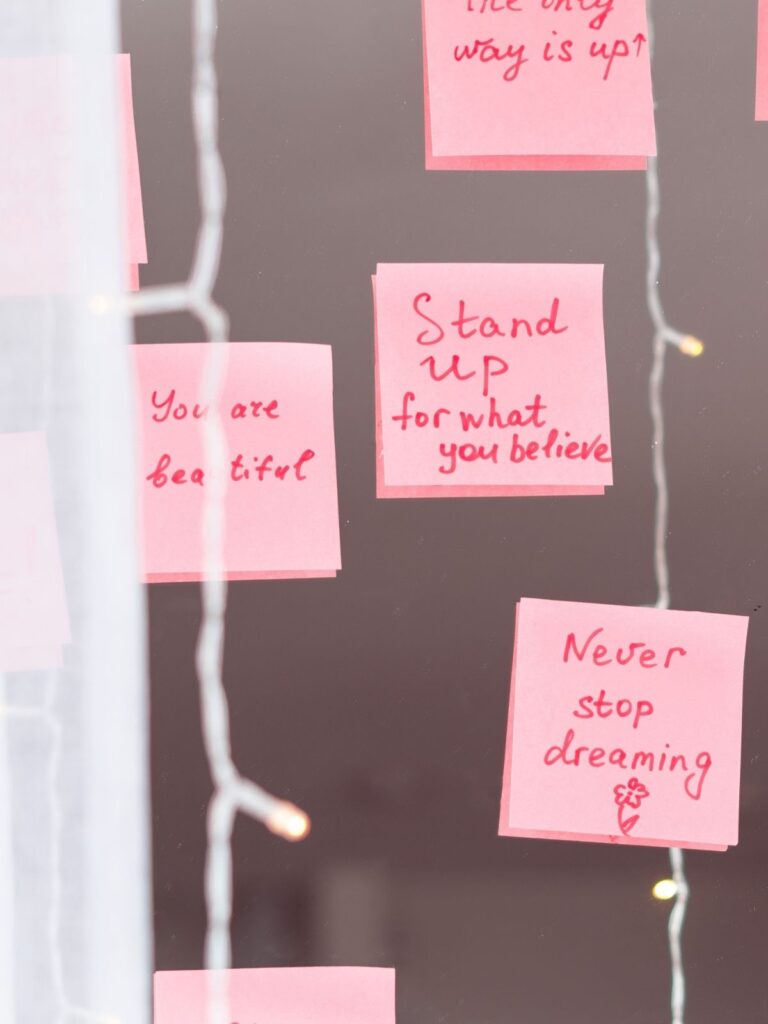
- Use sticky notes, a simple planner, or phone reminders to keep tasks visible and easy to return to.
- Celebrate tiny wins. Making the bed, sending one email, or prepping a snack still counts as progress.
- Layer small actions throughout the day instead of expecting long stretches of focus all at once.
Create Micro-Breaks for Resetting
When I feel myself starting to spiral, I have learned not to push through it. Short, intentional pauses help me slow things down and regain my footing before the emotions take over.
- Step outside for a few minutes of fresh air. Even a brief change of scenery helps my mind reset.
- Listen to a favorite song or a calming playlist. Music gives my thoughts something gentle to latch onto.
- Sip water slowly and pause for a moment. Focusing on something simple and physical helps me feel more grounded.
- Stretch, roll my shoulders, or shake out tension. Small movements help release the stress my body is holding onto.
Use Visual Anchors and Checklists
When everything feels overwhelming, having things out in the open helps me stay oriented. Visual reminders give my thoughts somewhere to land instead of bouncing around.
- Whiteboards, sticky notes, or a corkboard help keep priorities visible without feeling rigid.
- Color-coded lists or calendars make busy days easier to scan at a glance.
- Seeing tasks crossed off, even small ones, gives me a sense of relief and forward movement.

Build Mini Comfort Rituals
I have learned that small comforts spaced throughout the day make a real difference when my emotions feel intense. These little rituals give me something familiar and steady to come back to, especially on harder days.
- A warm drink or small snack at predictable times gives my day a gentle structure.
- Cozy items like a soft blanket, slippers, or a favorite sweater help me feel more settled in my space.
- Ambient lighting or a candle shifts the mood of a room and makes everything feel calmer.
Move, Even Briefly
For me, movement is less about exercise and more about releasing built-up tension. Even a few minutes can help reset my mind and body when things start to feel heavy.
- Short walks, either around the block or through the house, help clear my head.
- A quick dance break to a favorite song lifts my mood almost instantly.
- Gentle stretching or an easy yoga flow helps me loosen up without pressure.
End the Day With a Grounding Routine
How I end the day matters just as much as how I start it. Evening rituals help signal that it is time to slow down and let the day settle.
- Dimming the lights and stepping away from screens before bed helps create a softer transition into the evening.
- Writing down a few priorities for tomorrow clears my mind so I am not carrying everything to bed.
- Listening to calming music or a short, comforting podcast helps me wind down on a gentler note.
Finding Your Center, One Small Habit at a Time
Emotional rollercoaster days can feel exhausting, but building a personal toolkit of small, supportive habits has helped me feel more centered. Over time, I have come to see adult ADHD emotions as something to support gently, not something I need to fix or fight.
Gentle mornings, brief pauses during the day, visual reminders, and simple comfort rituals give me steady touchpoints to pause, reset, and keep moving forward without forcing myself through it. This is not about perfect control or fixing anything. For me, it is about finding rhythms and routines that make everyday life feel smoother, more grounded, and a little more joyful, one small habit at a time.
More To Explore
- Not every disability is visible, and not every need comes with an explanation. The Hidden Disabilities Sunflower offers a quiet, dignified way to signal that someone may need extra time, space, or patience without having to say a word. It is a small symbol with a powerful purpose, reminding us that kindness and understanding should always come first.
- Adult ADHD time management can feel frustrating when time slips away without warning. In this article, I share how I work with my brain instead of relying on memory that help my days feel calmer and more predictable. These habits help me stay oriented without rushing, overcorrecting, or living in constant catch-up mode.
- Adult ADHD overwhelm doesn’t usually arrive as chaos. It builds quietly through small slips, mental noise, and too many open loops. These are the simple, low-effort tactics that actually help me break the overwhelm spiral in real time, without fixing everything or forcing productivity.
- Adult ADHD home organization often starts with understanding why clutter feels louder than it looks. By reducing open loops and decision fatigue, small systems can help a space feel quieter and easier to live in, even when energy is low.
- Adult ADHD sensitivity is closely tied to emotional regulation, confidence, and energy levels. Small supports and predictable rhythms can help sensitivity feel more manageable and less overwhelming in everyday life.