30 Spring Paper Clutter Fixes Before Tax Season and School Wrap-Up
Spring paper clutter has a way of showing up all at once. Tax forms sit on the counter, school reminders stay buried in backpacks, and receipts slowly stack in drawers you meant to organize weeks ago. These spring paper clutter fixes can help you reset those piles before tax deadlines and the end of the school year create even more paperwork.

The goal is not a full office overhaul. A few small systems can stop paper from spreading across the house and make important documents easier to find. When paperwork has a clear place to go, it stops becoming a constant source of stress.

Quick Wins (Under 15 Minutes)
Paper clutter often builds from small habits that happen every day. Mail lands on the counter, school papers get dropped on the table, and receipts end up in random drawers. These quick resets take only a few minutes but can dramatically reduce the number of loose papers around the house.
1. Clear the Kitchen Counter Paper Pile
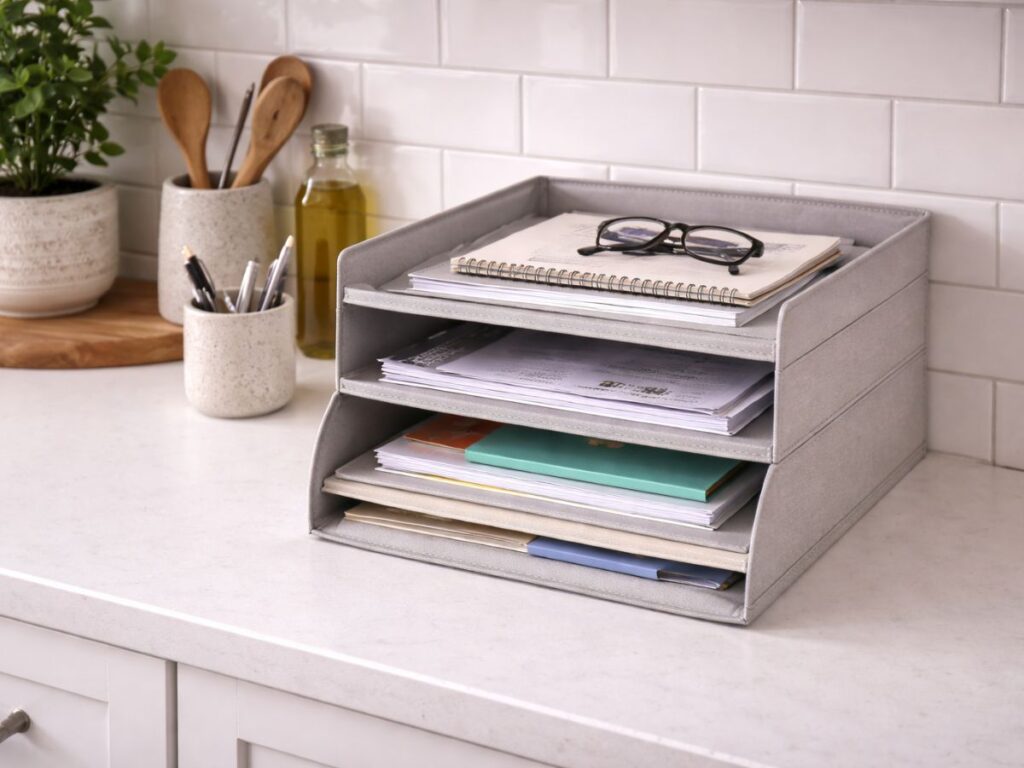
Kitchen counters often become the main drop zone for mail, school papers, and random notes. Clearing this pile creates an immediate visual reset in one of the busiest parts of the house. Instead of multiple small stacks, place a single paper tray nearby to hold incoming documents. This simple shift prevents papers from spreading across several surfaces.
2. Open All Unopened Mail
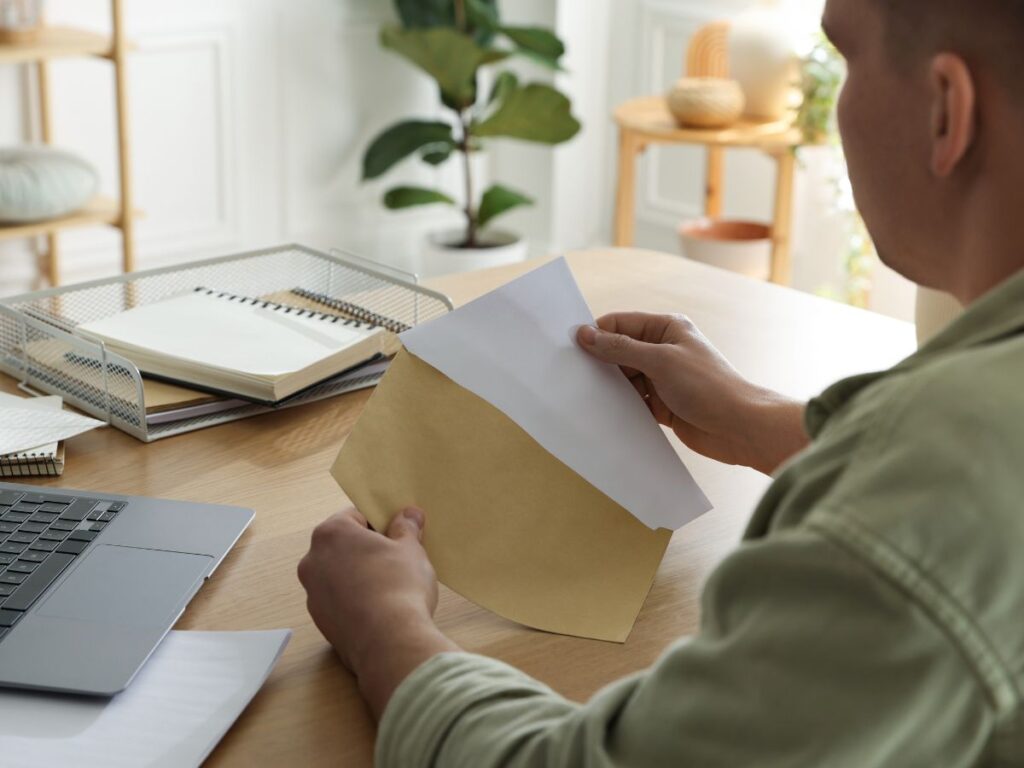
Unopened mail tends to grow into a mysterious pile that no one wants to deal with. Open every envelope first so you can see what actually needs attention. Most items can be recycled right away once they are opened. Sorting becomes much easier once the envelopes are gone.
3. Toss Expired Coupons
Old coupons often sit in drawers long after they expire. Taking two minutes to remove them frees up space and removes visual clutter. Many people keep them “just in case,” even when they are no longer usable. Clearing them out is a quick win that immediately reduces paper buildup.
4. Shred Junk Mail Immediately
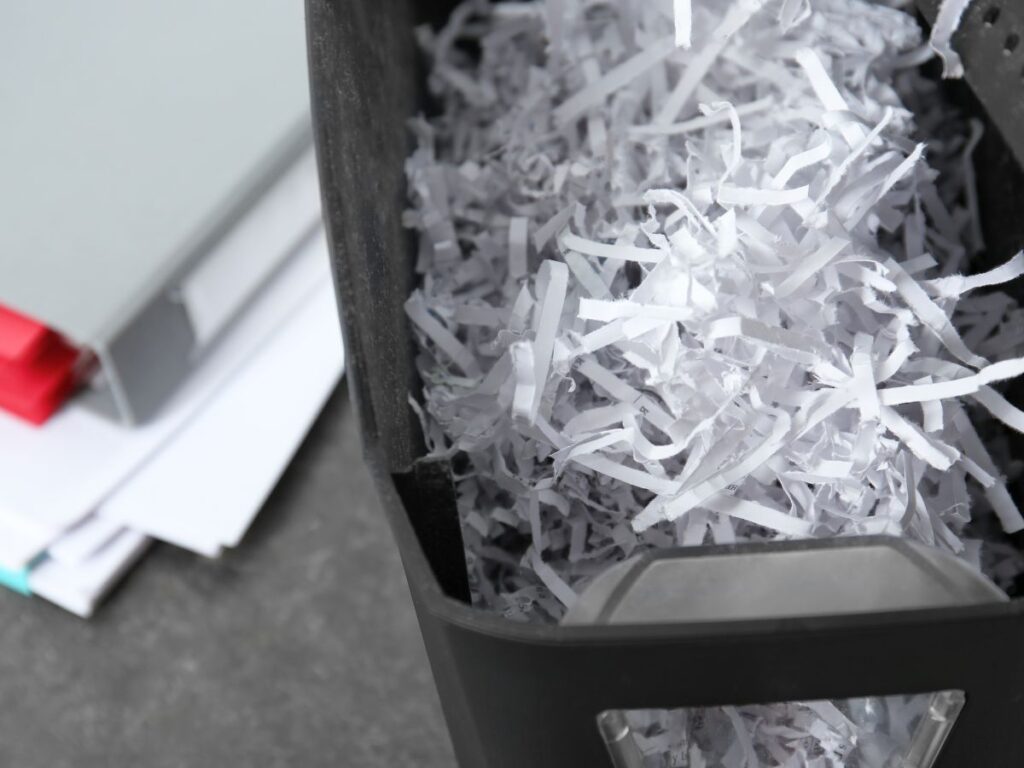
One of the most useful spring paper clutter fixes is eliminating junk mail the moment it arrives. Instead of letting it sit in a pile, shred or recycle it right away. This prevents unnecessary papers from traveling around the house. Removing junk mail immediately keeps clutter from multiplying.
5. Create a “Tax Folder”
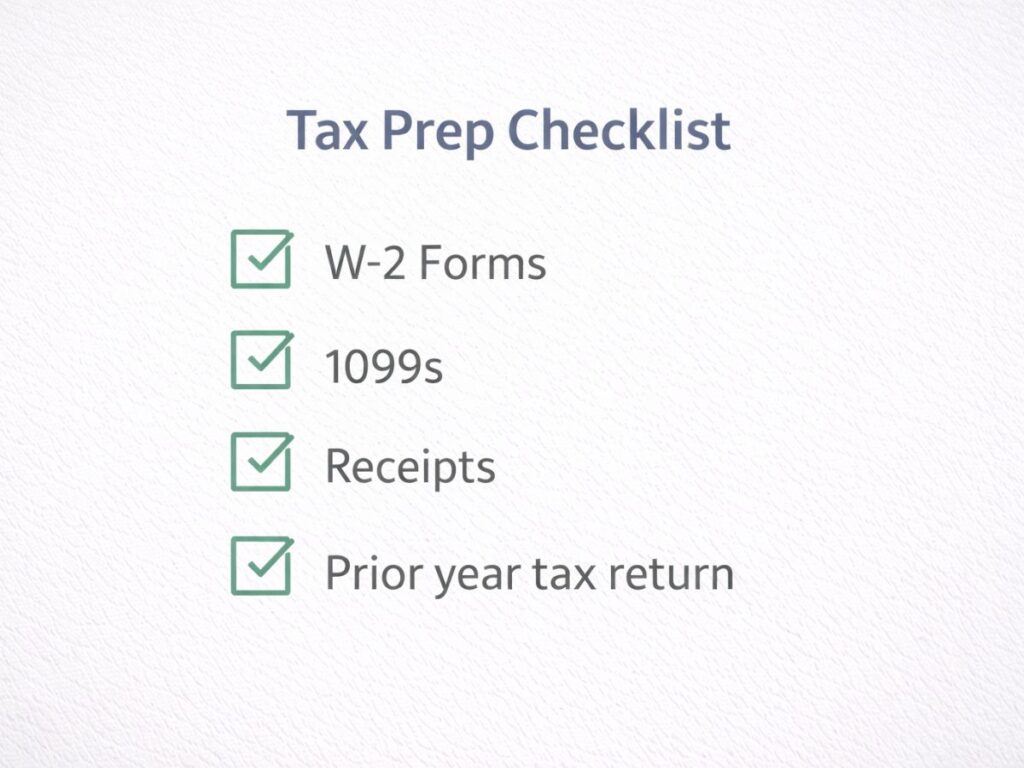
Tax paperwork often ends up scattered across drawers, envelopes, and random stacks. Creating one clearly labeled tax folder solves that problem quickly. Anytime a tax-related document arrives, it goes directly into that folder. When filing time comes, everything is already in one place.
6. Empty One Backpack Completely
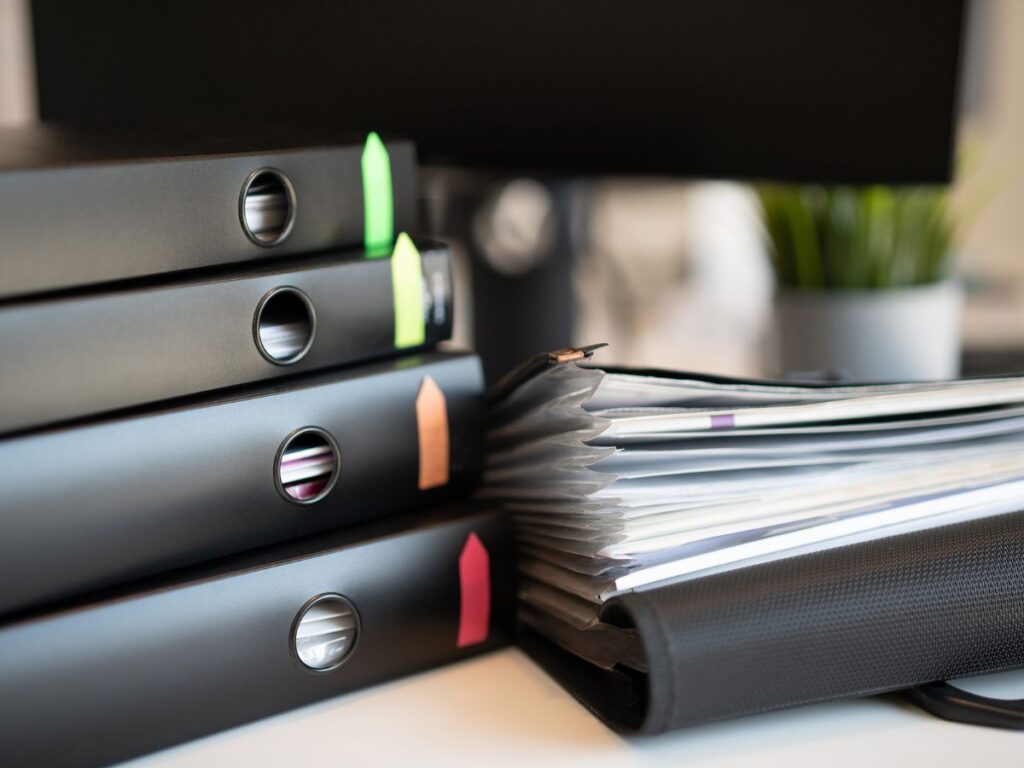
Backpacks collect permission slips, newsletters, and worksheets throughout the school year. Emptying one backpack at a time helps you find forms that still need attention. Many old papers can be recycled right away. The rest can be sorted into school folders.
7. Recycle Old School Notices
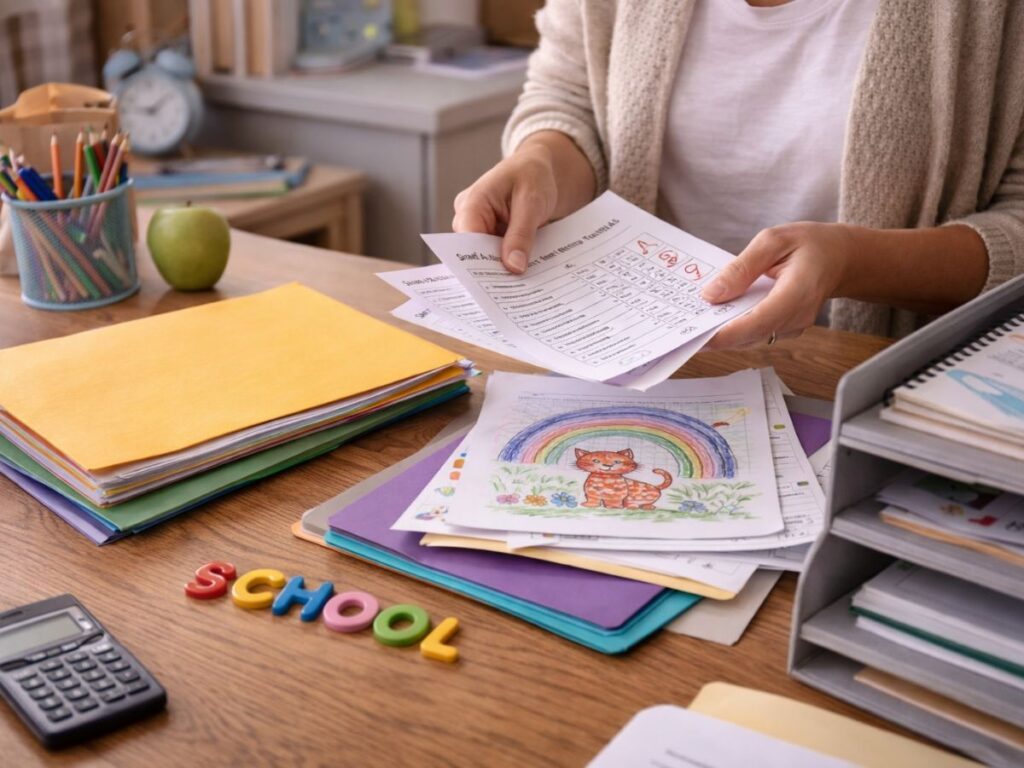
School calendars, event reminders, and lunch menus often stay around long after the date has passed. Reviewing these papers once a week keeps them from building up. If the event is already over, the paper no longer serves a purpose. Recycling them immediately keeps paper clutter manageable.
8. Create a Single “Action” Basket
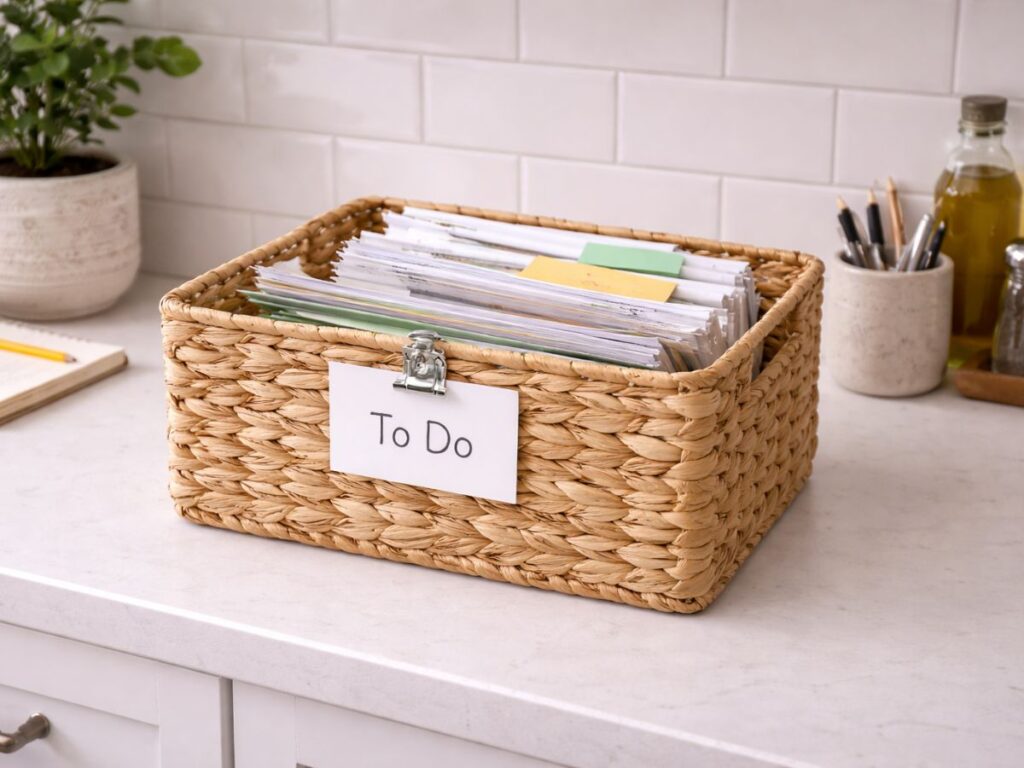
A single action basket is one of the easiest spring paper clutter fixes for busy households. Bills, forms, and papers that need signatures all go into one container. This keeps important documents visible without spreading them across multiple surfaces. When you sit down to handle paperwork, everything is already together.
9. Snap Photos of Receipts
Many receipts can be stored digitally rather than on paper. Taking a quick photo lets you keep a record without holding on to the physical copy. Once the photo is saved, most receipts can be recycled. This habit prevents receipts from filling drawers and wallets.
10. Sort One Drawer Only
Trying to organize an entire office can feel overwhelming. Choosing one drawer keeps the task manageable and realistic. Removing outdated papers creates more room for documents you actually need. Small progress like this builds momentum for larger organizing tasks later.
Simple Filing System Fixes
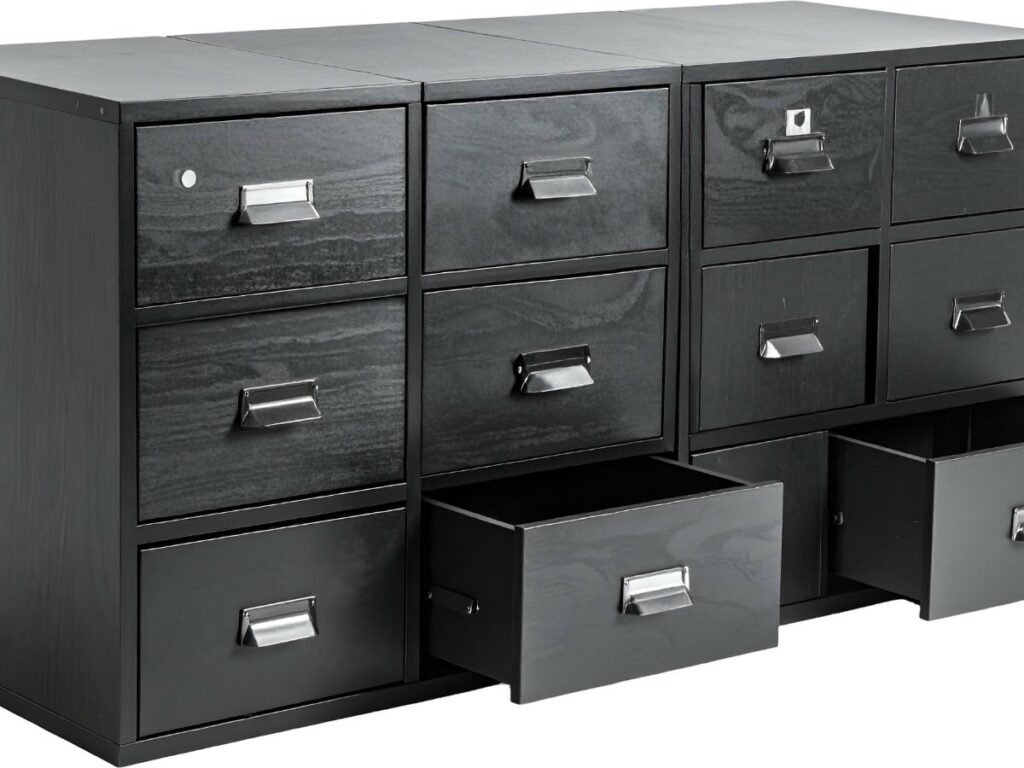
Once loose papers are cleared, the next step is creating a simple system for the documents you keep. Filing systems work best when they are easy to understand and quick to maintain. These ideas help keep paperwork organized so it does not return to scattered piles.
11. Create 5 Core Categories
Too many folders often create confusion rather than organization. Limiting your system to five main categories keeps it easy to maintain. Taxes, medical records, school papers, home documents, and financial records cover most household needs. A simple structure makes filing faster.
12. Use Vertical File Holders
Vertical file holders make it easier to see documents at a glance. Papers stand upright instead of forming heavy stacks that are hard to sort through. This setup works well on desks, shelves, or inside cabinets. It also encourages quick filing habits.
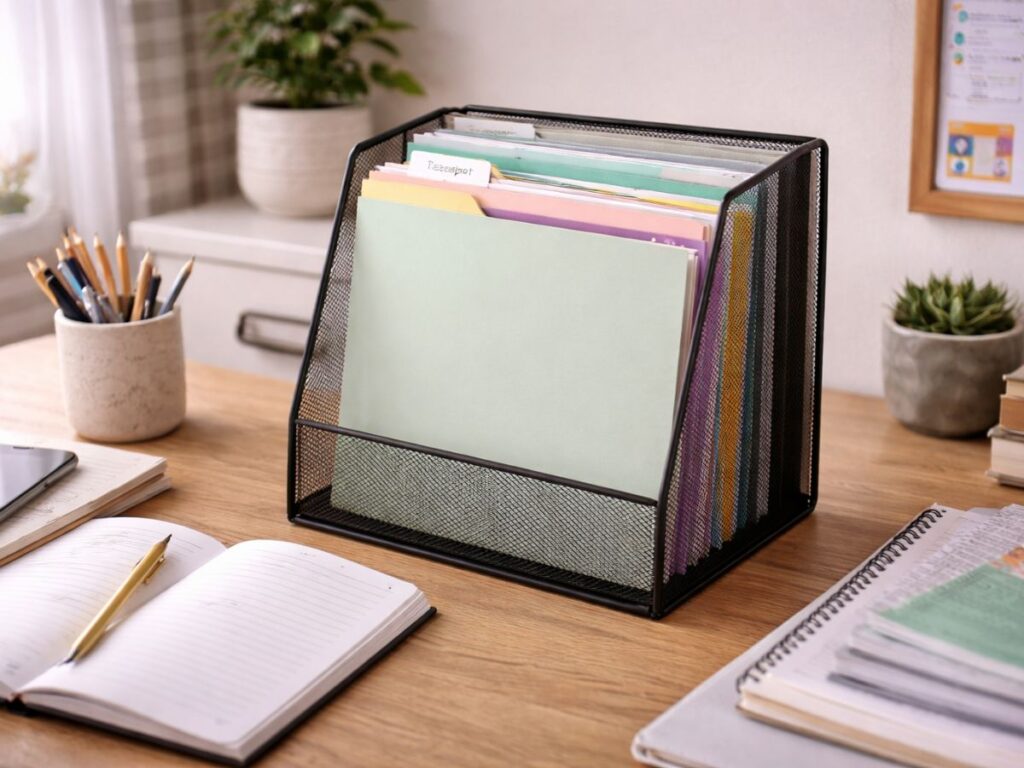
13. Color Code Important Folders
Color coding adds a visual shortcut to your filing system. Taxes might be red, medical records blue, and school documents yellow. The color helps you find the right folder faster. This small change can save time when searching for documents.
14. Label Everything Clearly
Clear labeling is one of the most practical spring paper clutter fixes for long-term organization. When folders are clearly labeled, papers have an obvious destination. This reduces the chance of random stacks forming again. Even simple labels make filing more consistent.
15. Purge Old Bank Statements
Financial paperwork can accumulate quickly over the years. Review older statements and keep only the documents required for records. Removing outdated papers frees up valuable file space. It also makes important documents easier to locate.
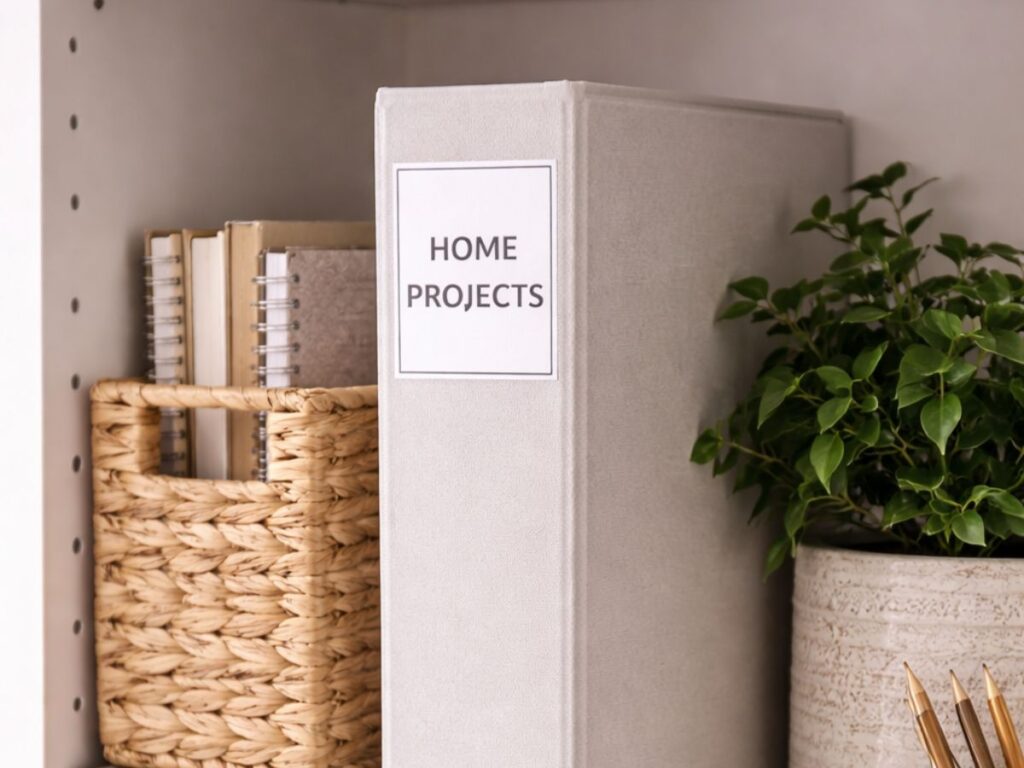
16. Consolidate School Papers into One Binder
School paperwork often spreads across desks, backpacks, and kitchen counters. Using one binder for each child creates a central place for schedules and notices. It also makes it easier to track assignments or upcoming events. A binder keeps everything contained in one spot.
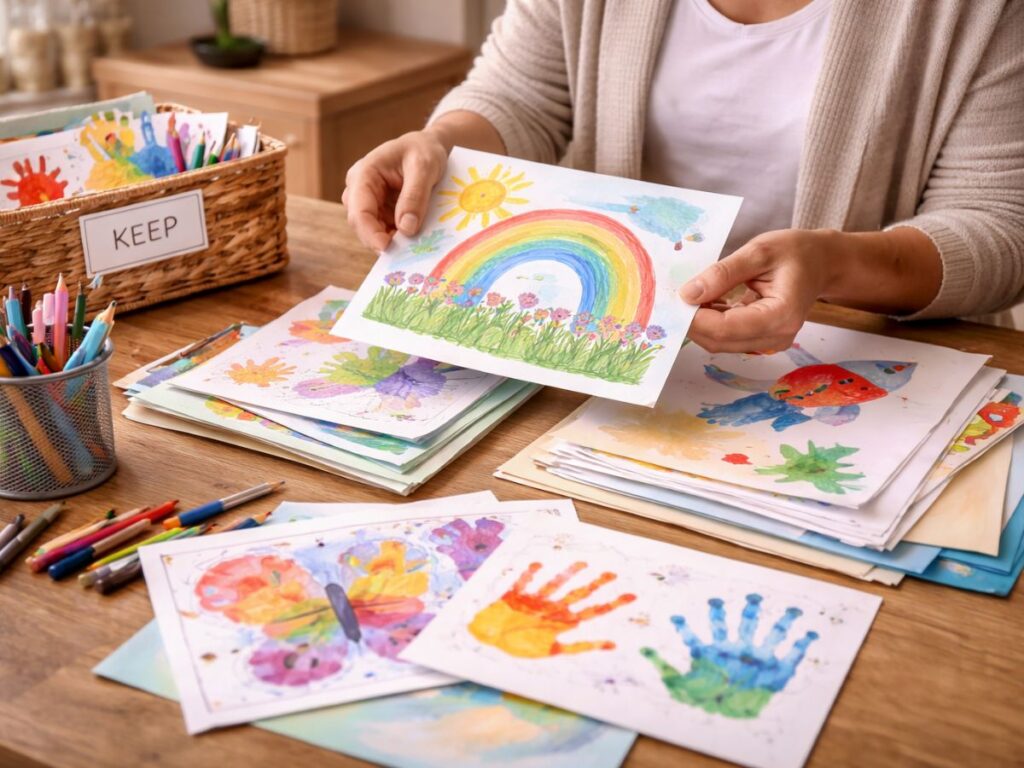
17. Create a “Memory” Folder for the Year
Children bring home artwork and projects throughout the school year. Saving a few meaningful pieces keeps memories while preventing storage overflow. A simple folder or box can hold the highlights. At the end of the year, you can review what to keep.
18. Digitize Important Documents
Scanning documents creates a backup that protects important records. Digital copies are easy to store and search later. Many scanning apps allow you to organize files by category. This reduces the amount of physical paper you need to keep.

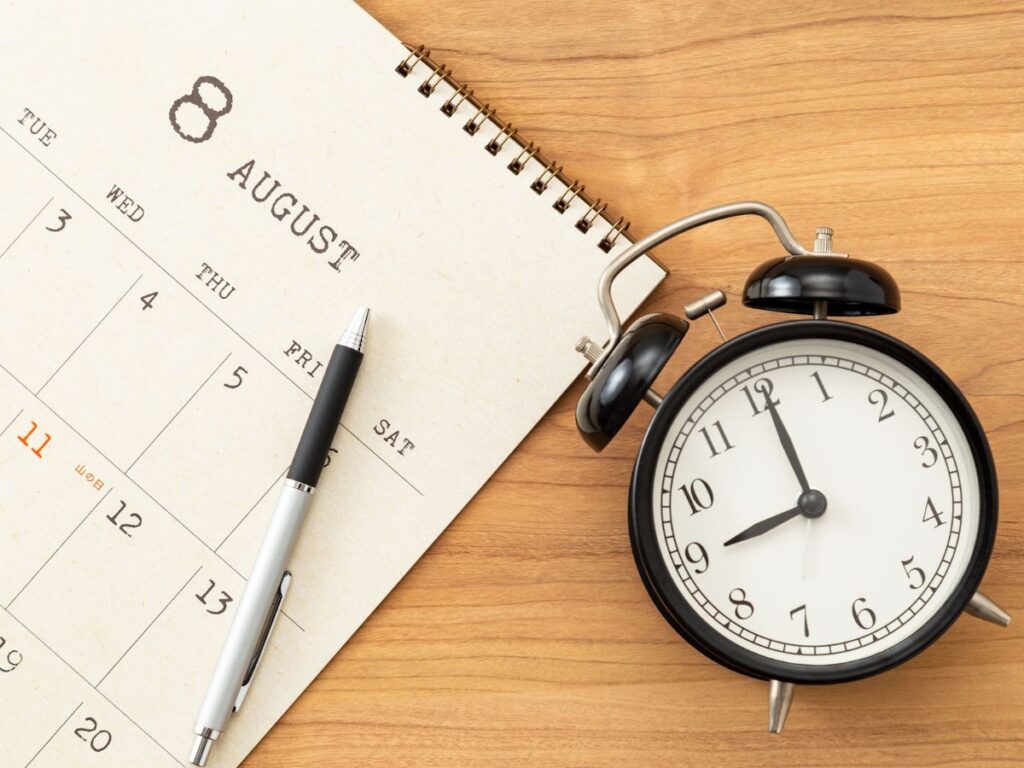
19. Create a Bill Calendar
Bills arriving at different times can quickly become confusing. Writing due dates on one calendar creates a clear overview of upcoming payments. This helps you stay ahead of deadlines. It also reduces the number of reminder papers around the house.
20. Set Up a Weekly 10-Minute Paper Reset
A weekly reset is one of the most sustainable spring paper clutter fixes for preventing piles. Spending ten minutes sorting papers keeps the system working. Small maintenance sessions stop clutter from building again. Over time, this routine becomes a simple habit.
School Wrap-Up Paper Prep
The final months of the school year often bring an increase in forms, notices, and artwork. Without a simple system, these papers can quickly fill backpacks and kitchen counters. A few organizing habits make the school wrap-up period far easier to manage.
21. Gather All Field Trip Forms
Field trip forms often arrive at different times throughout the year. Collecting them in one folder prevents missed deadlines. It also makes it easier to check which forms still need signatures. Keeping them together reduces the chance of losing them.
22. Sort Through Artwork
Children produce a surprising amount of artwork during the school year. Choosing a few favorites keeps memories without creating large storage bins. The rest can be photographed before recycling. This keeps sentimental items manageable.
23. Clean Out Homework Folders
Homework folders tend to accumulate papers that are no longer relevant. Clearing them out makes space for the final weeks of the school year. Many assignments can be recycled after grading. The remaining papers can be filed if needed.
24. Create a Summer Transition Folder
A summer folder is one of the easiest spring paper clutter fixes for families. Camp forms, reading lists, and activity schedules can all live in one place. This prevents summer paperwork from scattering around the house. Everything stays ready when it is needed.
25. Save Important Report Cards Digitally
Scanning report cards creates a permanent record without storing years of paper copies. Digital files are easier to organize and retrieve later. They also free up physical storage space. Many families keep these records for reference over time.
Tax Season Paper Prep
Tax season adds another layer of paperwork to an already busy time of year. Preparing documents early can make the filing process far smoother. A few simple steps help keep tax papers organized and easy to access.
26. Gather W-2s and 1099s in One Place
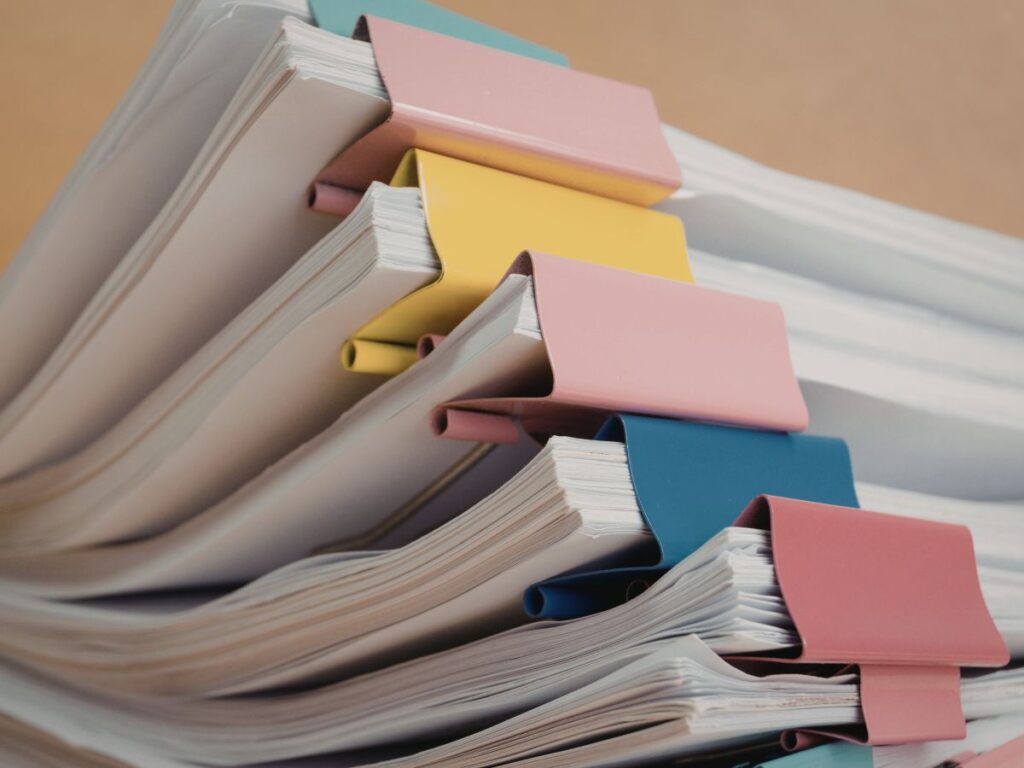
Income documents often arrive at different times in the mail. Placing them immediately in your tax folder prevents them from getting lost. This habit keeps important paperwork easy to locate later. When filing begins, the documents are already organized.
27. Collect Donation Receipts
Charitable donations often generate small receipts that disappear quickly. Adding them to your tax folder as they arrive keeps everything together. This prevents last-minute searching through drawers and envelopes. It also ensures you do not miss deductions.
28. Separate Business vs. Personal Papers
If you handle both personal and business finances, separating the documents early saves time later. Two labeled folders make the distinction clear. This organization helps during tax preparation. It also keeps financial records easier to review.
29. Store Last Year’s Tax Return Safely
Previous tax returns should be stored in a labeled archive folder. Keeping them organized allows you to reference them easily if needed. Many people keep several years of returns for records. A clear archive system prevents confusion.
30. Schedule Your Filing Date Now
Scheduling your filing date is one of the most overlooked spring paper clutter fixes. A calendar reminder creates a clear deadline and prevents last-minute stress. Preparing early allows you to gather documents calmly. This step keeps tax season from becoming overwhelming.
Paper clutter rarely builds because people are careless. More often, it happens because papers get moved from one surface to another while decisions are postponed.
These spring paper clutter fixes help create simple systems that keep documents organized before tax deadlines and school wrap-up bring even more paperwork into the house. A few small habits now can prevent those overwhelming paper piles from returning later.
Start with one drawer, one folder, or one stack. Small resets like these quickly create a home that feels calmer and easier to manage.
More To Explore
The garage sets the tone for everything once outdoor season begins, and a quick reset now makes a noticeable difference later. These spring garage reset ideas focus on simple changes that clear clutter, improve storage, and make daily routines easier to manage. It is a practical way to get ahead before weekends fill up and everything starts moving outside.