25 Everyday Home Habits You Never Thought to Question
Home is full of everyday home habits we rarely stop to notice. We open windows, fold laundry, leave shoes by the door, adjust pillows, and repeat routines that simply feel normal. Yet once you stop and ask why, many of these small behaviors become surprisingly interesting. They come from comfort, tradition, convenience, or simple human nature. Here are 25 everyday home habits you probably never thought to question.

Clothing and Entryway Habits
Some of the most common everyday home habits happen the moment we walk in the door.
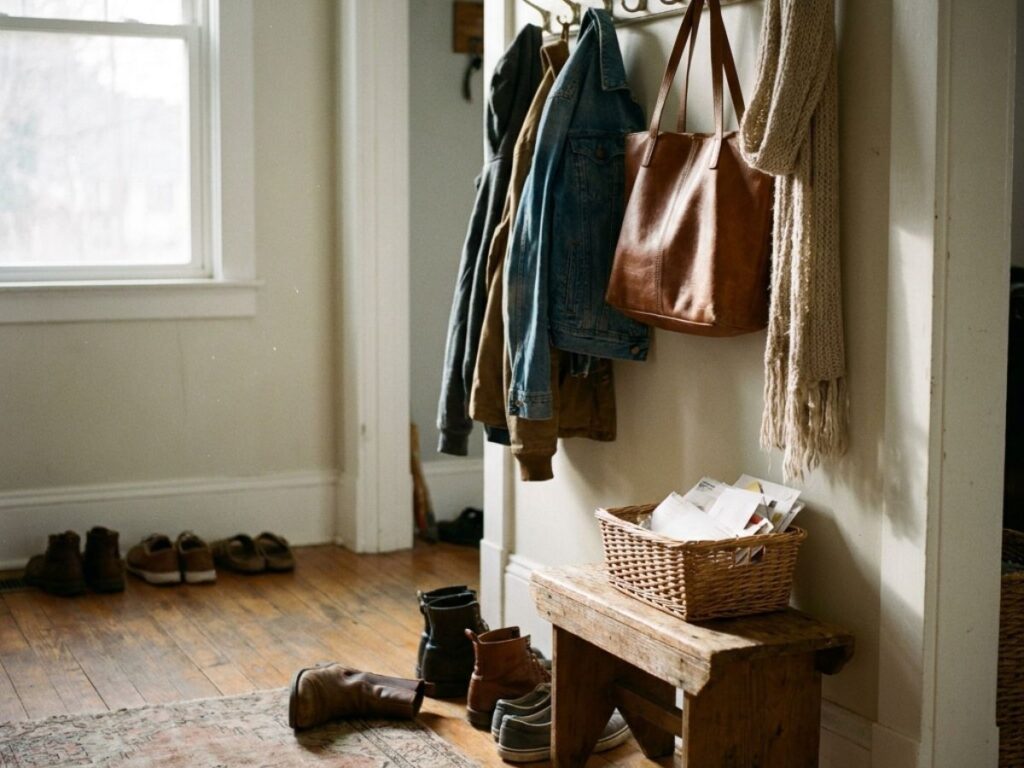
1. Why do we keep shoes by the door?
Because it creates a natural boundary between outside and inside, keeping outdoor dirt, bacteria, and debris from spreading through the home. It’s also a quiet ritual that signals the shift from being out in the world to being home, and that transition matters more than we realize.
2. Why do we hang some clothes and fold others?
Because structured fabrics like blazers, button-downs, and dress pants keep their shape best when hung, while knits, soft fabrics, and items with stretch can actually deform on hangers over time. Folding keeps them compact and in better condition long-term.
3. Why do jackets always end up on chairs?
Because when we come home, we’re looking for the quickest landing spot that isn’t quite “putting it away.” Chairs feel temporary enough to feel acceptable, but convenient enough that the jacket stays there for days. It’s not laziness so much as the chair being perfectly positioned at exactly the wrong moment.
4. Why do we have a “good towel” no one uses?
Because somewhere along the way, we decided that certain things were too nice for everyday use. The good towels, the fancy candles, the special dishes. They get set aside for guests or occasions that rarely come, which means they mostly just sit there looking perfect and unused. It’s a very human habit.
5. Why do socks lose their pair in the laundry?
Because socks are lightweight and small enough to slip inside pillowcases, wrap themselves inside sheets, or fall behind the drum during the wash cycle. They aren’t actually disappearing. They’re just very good at hiding. The pair usually turns up eventually, which is exactly why we never throw the lonely one away.
Windows, Light, and Air
Homes constantly react to weather, temperature, and airflow in ways many people overlook.
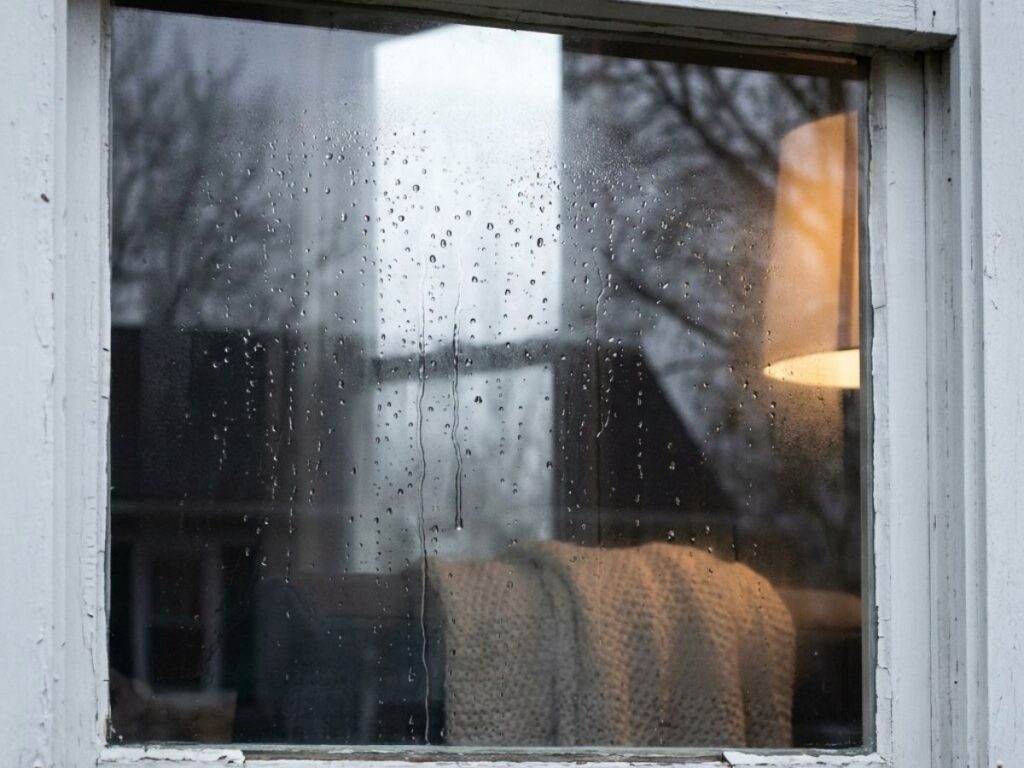
6. Why do windows fog up?
Because when warm, humid air inside your home meets a cold glass surface, the moisture in the air condenses into tiny water droplets on the glass. It happens most often in kitchens, bathrooms, and on cold mornings, and it’s completely normal. Good ventilation helps reduce it.
7. Why does fresh air make a room feel cleaner?
Because good airflow moves out stale, recycled air and brings in oxygen-rich air from outside. It also lowers humidity levels slightly and disperses any lingering odors, which is why even a few minutes with the windows open can make a whole room feel noticeably fresher and more alive.
8. Why do sunny rooms feel happier?
Because natural light triggers the release of serotonin, the feel-good chemical that helps regulate mood and energy. Sunlit rooms also feel more spacious and alive, which is why south-facing rooms tend to be everyone’s favorite spots in the house and why people gravitate toward them naturally.
9. Why do curtains change the mood of a room?
Because curtains control one of the most powerful elements in a room: light. Heavy drapes create a cozy, intimate feel while sheer panels make a space feel airy and open. The fabric texture also adds warmth or coolness to the overall look, which is why changing curtains can transform a room more than most people expect.
10. Why does one room always feel colder than the others?
Because temperature differences between rooms usually come down to insulation quality, window placement, sun exposure, and how air circulates through your vents. North-facing rooms, rooms above garages, and rooms at the end of hallways are classic culprits, and no amount of extra blankets quite fixes it.
Living Room Mysteries
The rooms we use most often collect habits without us realizing it.
11. Why do people fluff pillows every day?
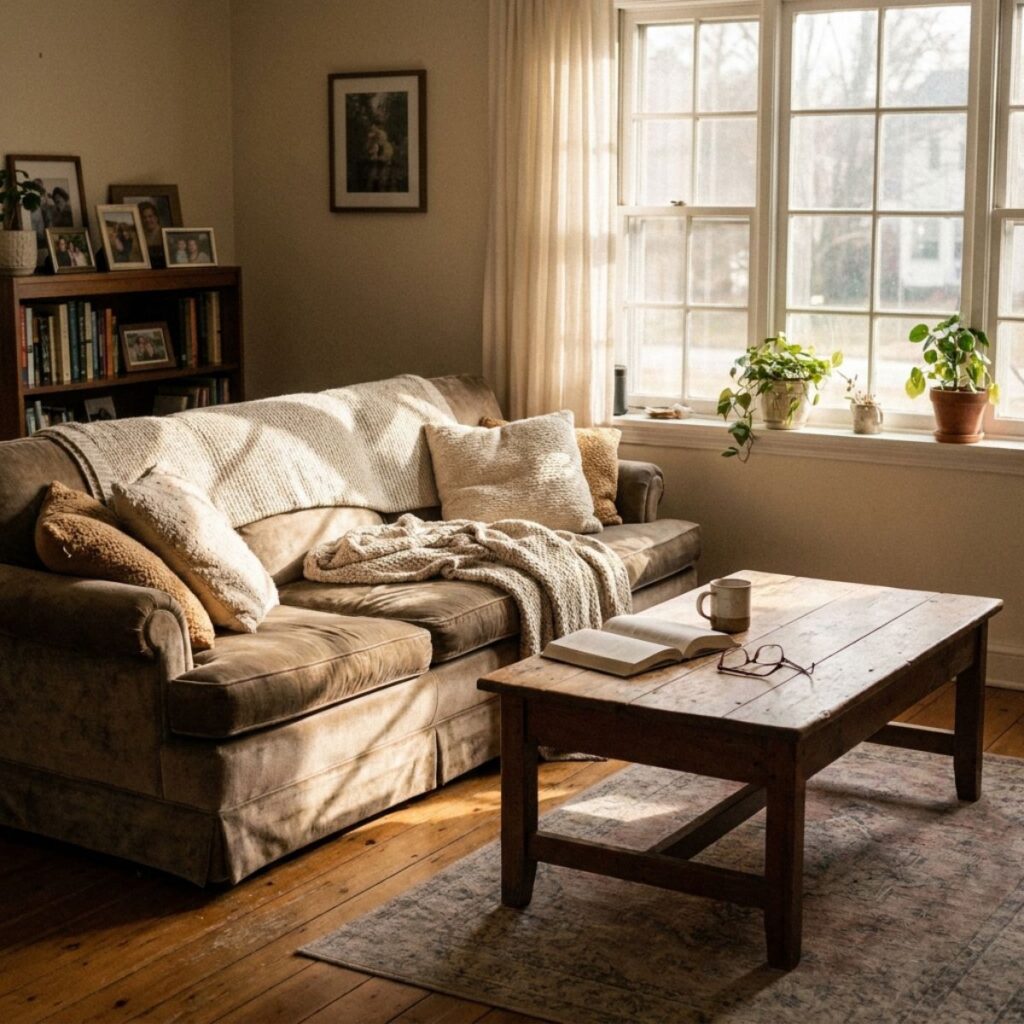
Because there’s something quietly satisfying about a tidy, put-together living room, and fluffed pillows. It’s one of those everyday home habits that takes thirty seconds and somehow makes everything feel better. It’s a small reset that signals order and calm, even when the rest of the house is less than perfect.
12. Why does clutter build up on tables first?
Because flat, open surfaces are the path of least resistance when you’re holding something and need your hands free. Tables, counters, and benches become default drop zones for things we tell ourselves we’ll put away in a minute, which often turns into a week. The flatter and more accessible the surface, the faster it fills.
13. Why do we sit in the same spot on the couch?
Because our brains are wired to seek consistency in low-stakes situations. Once we find a spot that feels right, with good sightlines to the TV, just the right amount of cushion give, and closeness to the lamp, we return to it on autopilot. It’s one of those small habits that becomes invisible until someone else takes your seat.
14. Why does a clean room feel bigger?
Because clutter gives your eyes more things to land on, which makes a room feel busier and smaller than it actually is. When surfaces are clear, your eye can travel across the full space without stopping, which creates a genuine sense of openness and ease. The room hasn’t changed. The visual noise has.
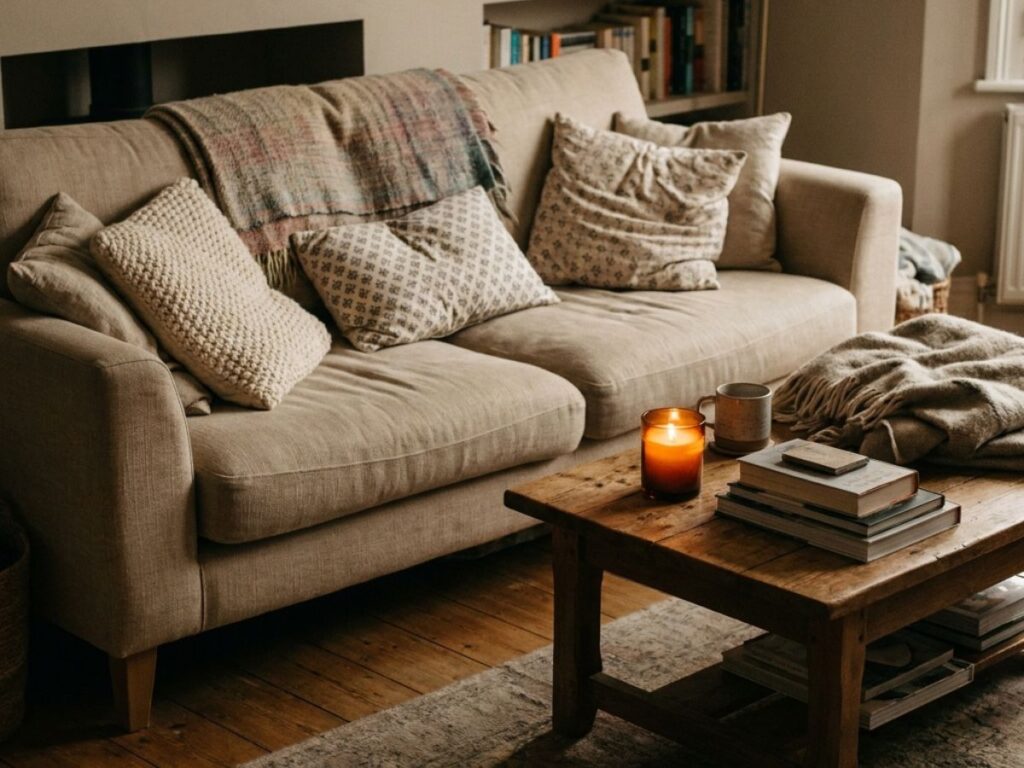
15. Why do candles make a room feel cozy?
Because candlelight is warm-toned and gently flickering, which is the opposite of the flat, bright light most overhead fixtures produce. That soft glow mimics firelight, which humans have gathered around for thousands of years, so there’s something instinctively comforting about it. Add a familiar scent, and the effect is even stronger.
Kitchen Habits Worth Questioning
The kitchen is full of repeated actions that seem obvious until someone asks why.
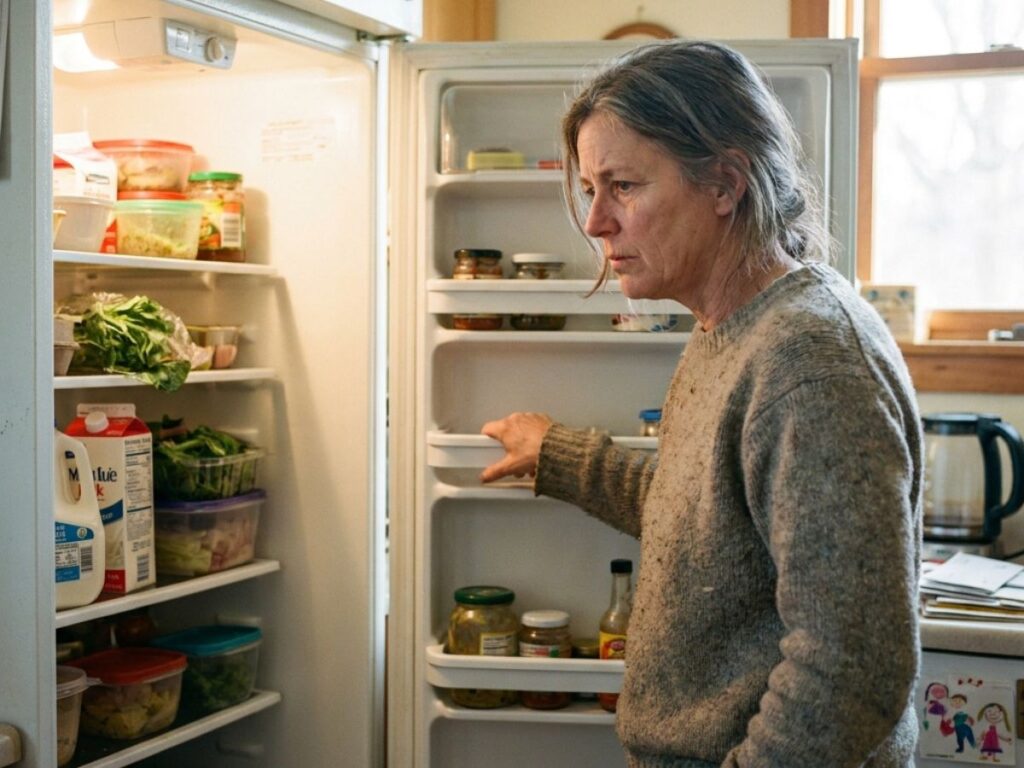
16. Why do we open the fridge and stare into it?
Because most of the time, we’re not actually hungry. We’re bored, restless, or in a low-level decision loop. The fridge has become a place we go when we need a pause or a prompt, which is why we open it, find nothing that feels right, and close it again within thirty seconds. Then open it again two minutes later.
17. Why does the kitchen get messy so fast?
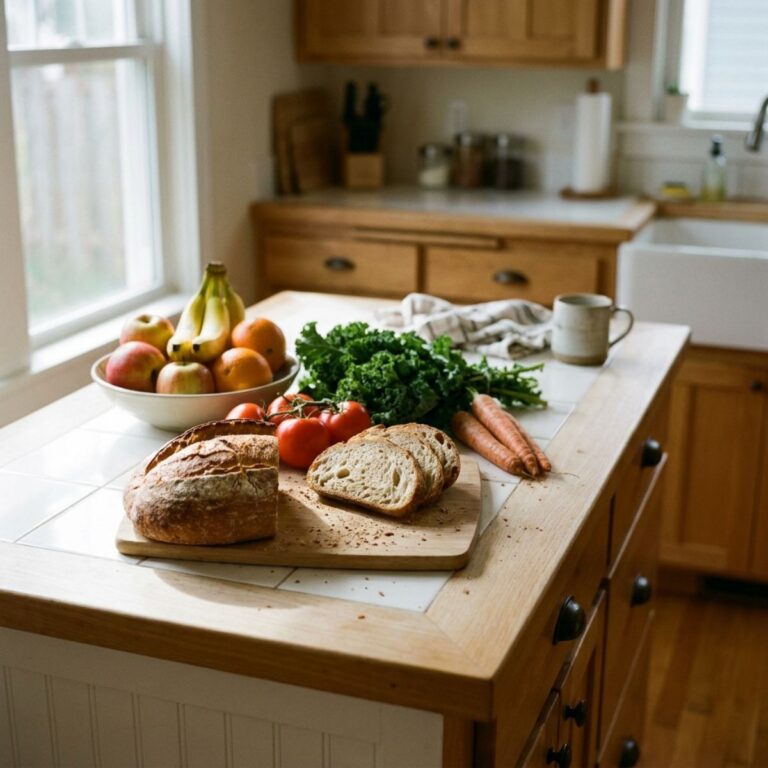
Because the kitchen is one of the most active rooms in the house. Between meal prep, snacking, coffee making, and general household traffic, surfaces barely have time to stay clear. Cooking also generates mess in layers: chopping, mixing, washing, and plating. It builds up quickly even when you’re trying to stay on top of it.
18. Why do we keep plastic containers with no lids?
Because throwing away a perfectly good container feels wasteful, even when the lid has clearly gone to the same mysterious place as the missing socks. The container goes back in the cupboard on the assumption that it will sort itself out, and then the lid turns up three months later at the back of a drawer.
19. Why does food taste better in a clean kitchen?
Because eating is more than just taste. It’s a full sensory experience. A clean, calm kitchen sets the stage for a more relaxed and present meal. Clutter and mess create low-level stress, which actually dials down enjoyment. It’s the same reason restaurant presentation matters even before you take the first bite.
20. Why do we gather in the kitchen during visits?
Because the kitchen is where things are happening. There’s warmth, something good-smelling, and a natural reason to be there. It strips away some of the formality of sitting in a living room and waiting for conversation, which is why everyone ends up in the kitchen even when you’ve set up the other rooms beautifully.
Bedroom and Nighttime Habits
Our nighttime everyday home habits are some of the quietest ones we never question.
21. Why do clean sheets feel so good?
Because there’s a combination of sensory signals all arriving at once: cool fabric, a light fresh scent, and the smooth feel of sheets that haven’t been slept in yet. It also taps into something more personal: a freshly made bed signals a clean start and feels like a small but genuine act of taking care of yourself.
22. Why do bedrooms collect random objects?
Because bedrooms are private spaces, which means they absorb everything we’re not ready to deal with. Books we’re midway through, items we moved from another room, things we need to return, things we haven’t decided on yet. It all ends up in the bedroom because that’s where no one else really looks.
23. Why do we sleep better in tidy rooms?
Because visual clutter keeps the brain subtly stimulated and alert, which is the opposite of what you want when you’re trying to wind down. A tidy room gives your eyes nowhere stressful to land, which makes it easier for your nervous system to settle. It’s a small environmental shift with a genuine impact on sleep quality.
24. Why do bedside tables become clutter magnets?
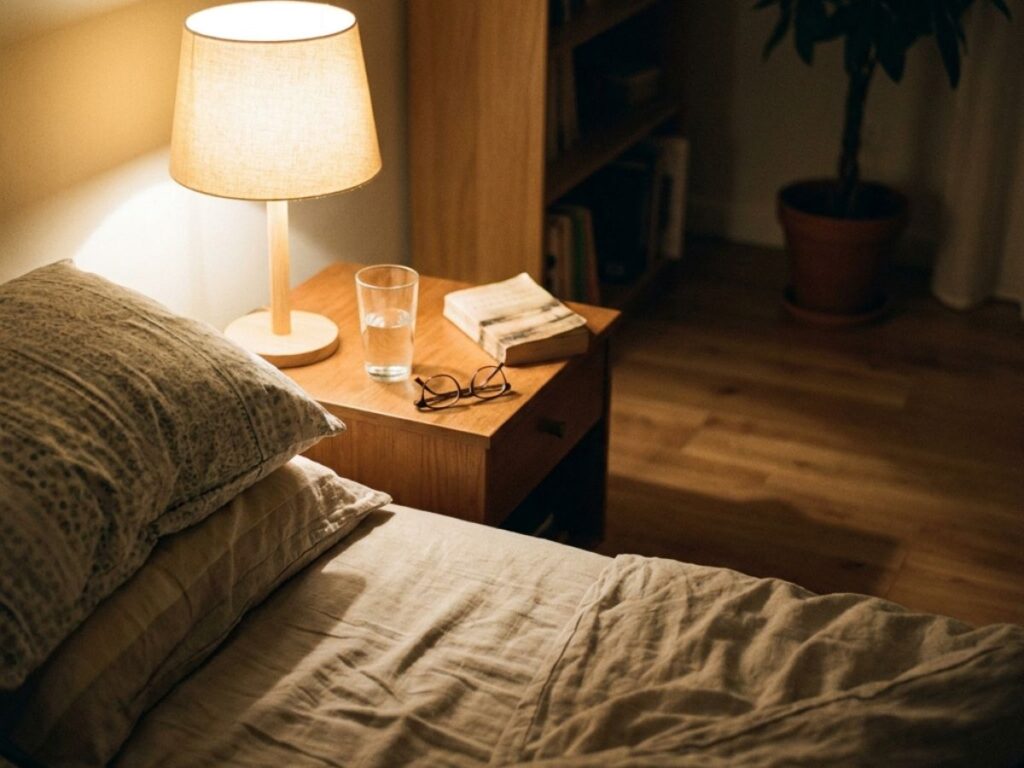
Because the bedside table is the last stop before sleep and the first stop when we wake up, it ends up holding everything we reach for in those in-between moments: water, lip balm, a book, a phone, reading glasses, and a receipt we meant to deal with. It’s the most personal surface in the house.
25. Why does home feel best at night sometimes?
Because at night, the noise of the day drops away and the house settles into itself. Lights are low, sounds are soft, and there’s nowhere else to be. Home stops being a backdrop for tasks and becomes a place to actually rest in, which is when all the comfort you’ve created there finally has space to be felt.
Why Home Questions Matter
Home is full of small decisions and quiet routines that just work, even when we can’t explain why. The more you notice your everyday home habits, the more interesting they become. If you enjoyed this, you might love exploring more everyday habits and the surprising reasons behind them. There is always more going on beneath the surface than we think. Habits keep a house running, but comfort comes from the setup underneath them, and a room-by-room guide to cozy lighting and layout covers the part that habits alone will not fix.
More To Explore
Ever wondered why certain style guidelines actually exist? This post breaks down outfit rules explained in a simple Q&A format, from why fit beats size to how to wear prints with confidence, and it is a genuinely useful read for anyone who wants to dress with more intention and less second-guessing.