Flattering Clothes for Plus Size: What Actually Works and Why
Flattering clothes for plus size bodies come down to three things, not a size range. Look at where a garment fits close, where it’s cut to move, and what the fabric is made of. A well-tailored piece in a mid-weight ponte knit will beat a “slimming” black dress cut from thin, clingy jersey every time. The fastest way to spot flattering clothes for plus size is to check three points while shopping. Look at the shoulder seam, the fabric content, and where the closure sits. Get those three right and color, print, and trend all become optional.
Most guides default to hiding advice, and that's the wrong starting point for flattering clothes for plus size shopping. The goal isn't concealment. It's proportion, structure, and fabric that holds its shape through a full day of wear. Think of it as a short list of flattering plus size clothes rules, not a size chart to avoid.
Why Fit Matters More Than Size
A garment that’s a size too big can drape poorly. This adds bulk instead of removing it. Sizing down to “look smaller” pulls fabric tight across the widest points and draws the eye exactly where it wasn't supposed to go. The most flattering clothes for plus size wardrobes are usually one size closer to true measurements than habit suggests. The cut should provide room in the right places rather than relying on the size number.
Disclosure: This post may contain affiliate links. This means I get a small commission if you decide to make a purchase through my links at no extra cost to you.
Shoulder seams are often overlooked when shopping for flattering clothes for plus size. They matter more than the number on the tag. It’s one of the most common sizing mistakes in ready-to-wear plus size lines. Getting the shoulder right makes a noticeable difference. It can separate flattering clothes for plus size from clothes that simply fit. A lot of these small rules around buttons, seams, and proportion are broken down in more detail in this breakdown of common outfit rules explained, which is worth a look before treating any new piece as flattering clothes for plus size.
What to Look for in Flattering Clothes for Plus Size
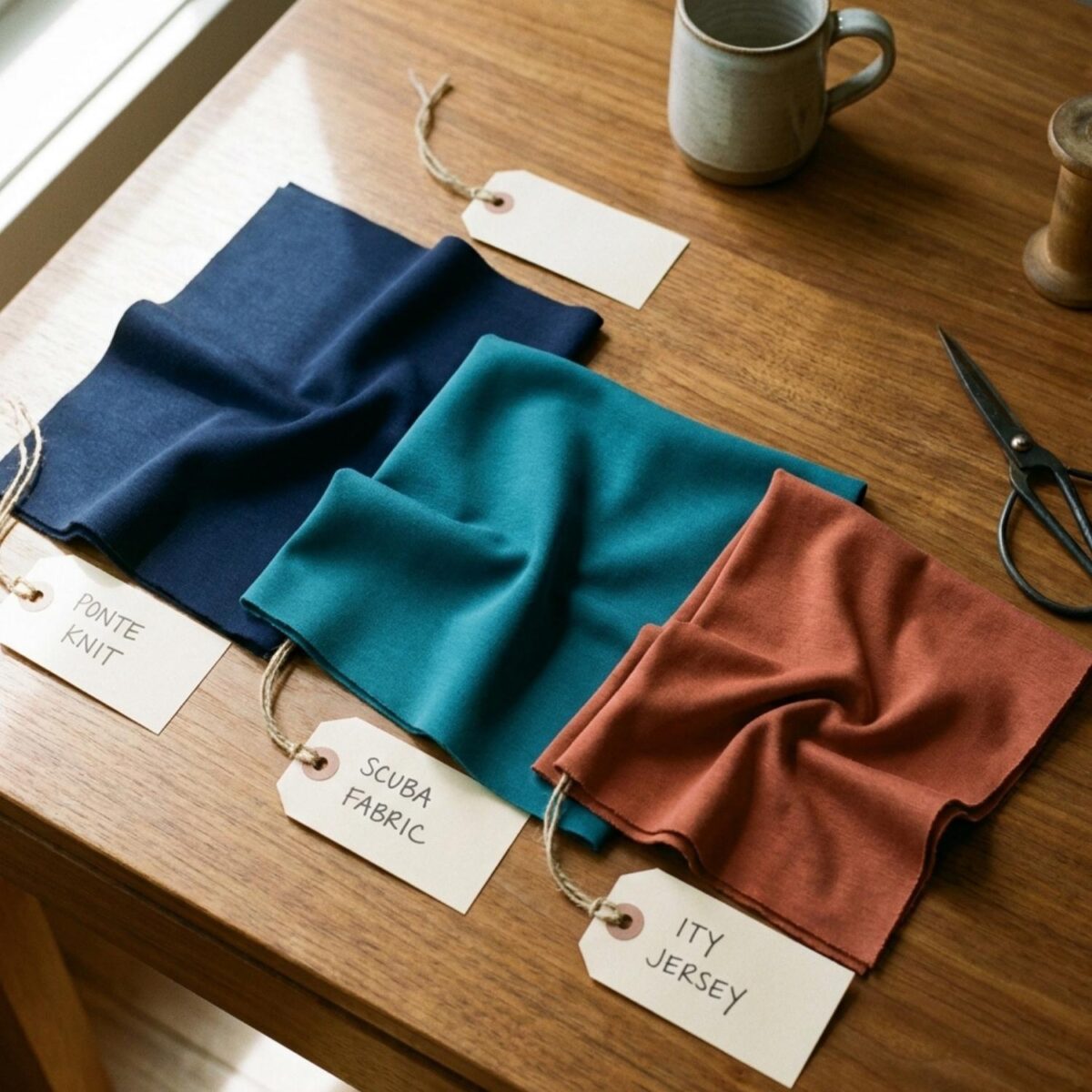
Fabric content matters more than cut when hunting for flattering clothes for plus size. A blend with at least four to five percent spandex holds its shape and recovers after sitting. Without it, most knit tops and dresses bag out by early afternoon. Ponte knit, scuba fabric, and ITY jersey all fall into this category and are worth checking the label for specifically. Skipping this check is a common mistake. A piece marketed as flattering clothes for plus size may stop looking that way by the second wear.
Vertical lines do real visual work in flattering clothes for plus size. A front placket, princess seams, or a single column of buttons creates a vertical line. The eye follows that line from top to bottom, creating the appearance of length. Wide horizontal stripes or a heavy seam at the widest part of the body do the opposite.
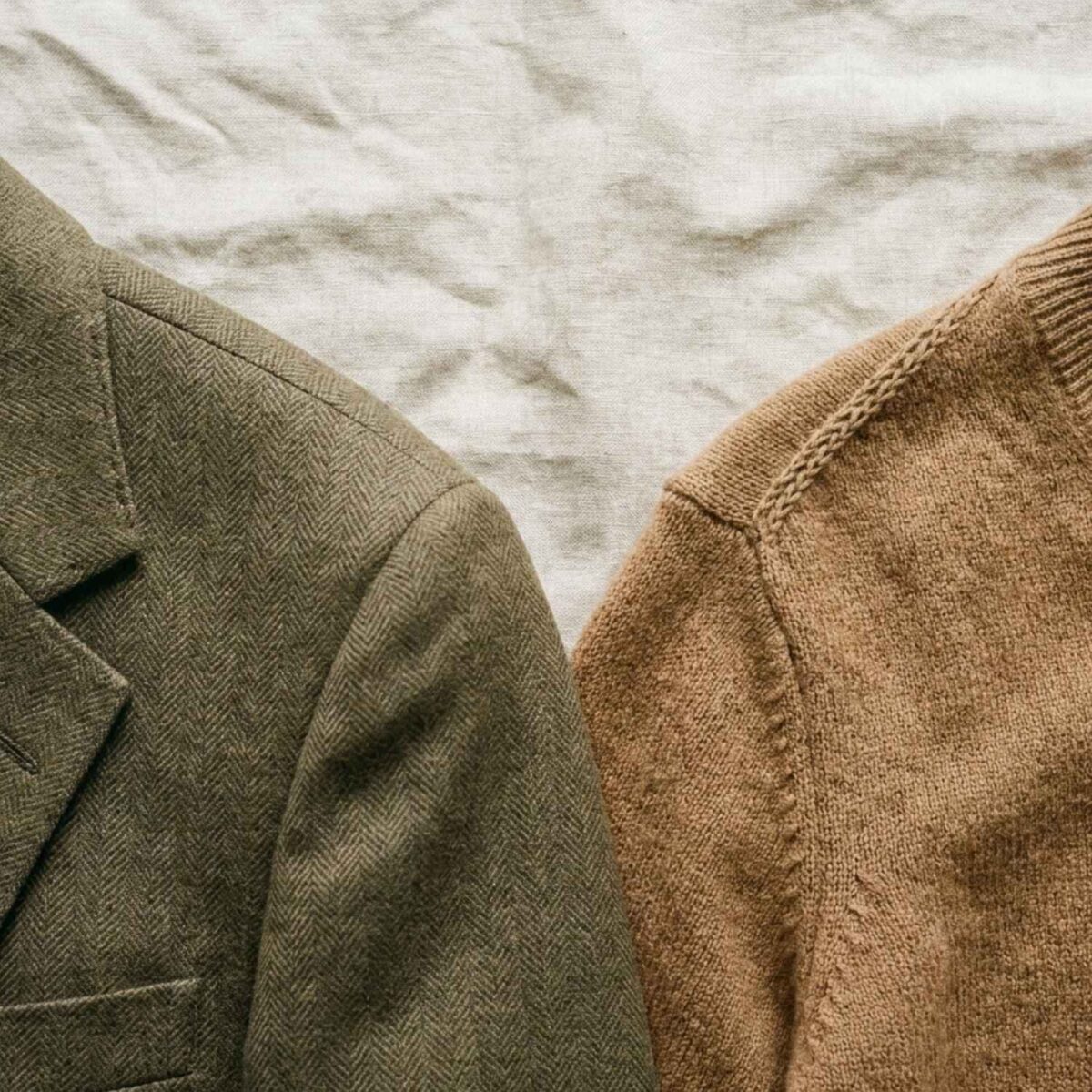
Structured shoulders on jackets and blazers create a defined line at the top of the frame. This balances a fuller midsection without adding bulk elsewhere. This is one of the more overlooked details in flattering clothes for plus size, since an unstructured shoulder tends to collapse inward and add visual weight instead of removing it.
What Necklines and Silhouettes Actually Flatter a Plus Size Figure?
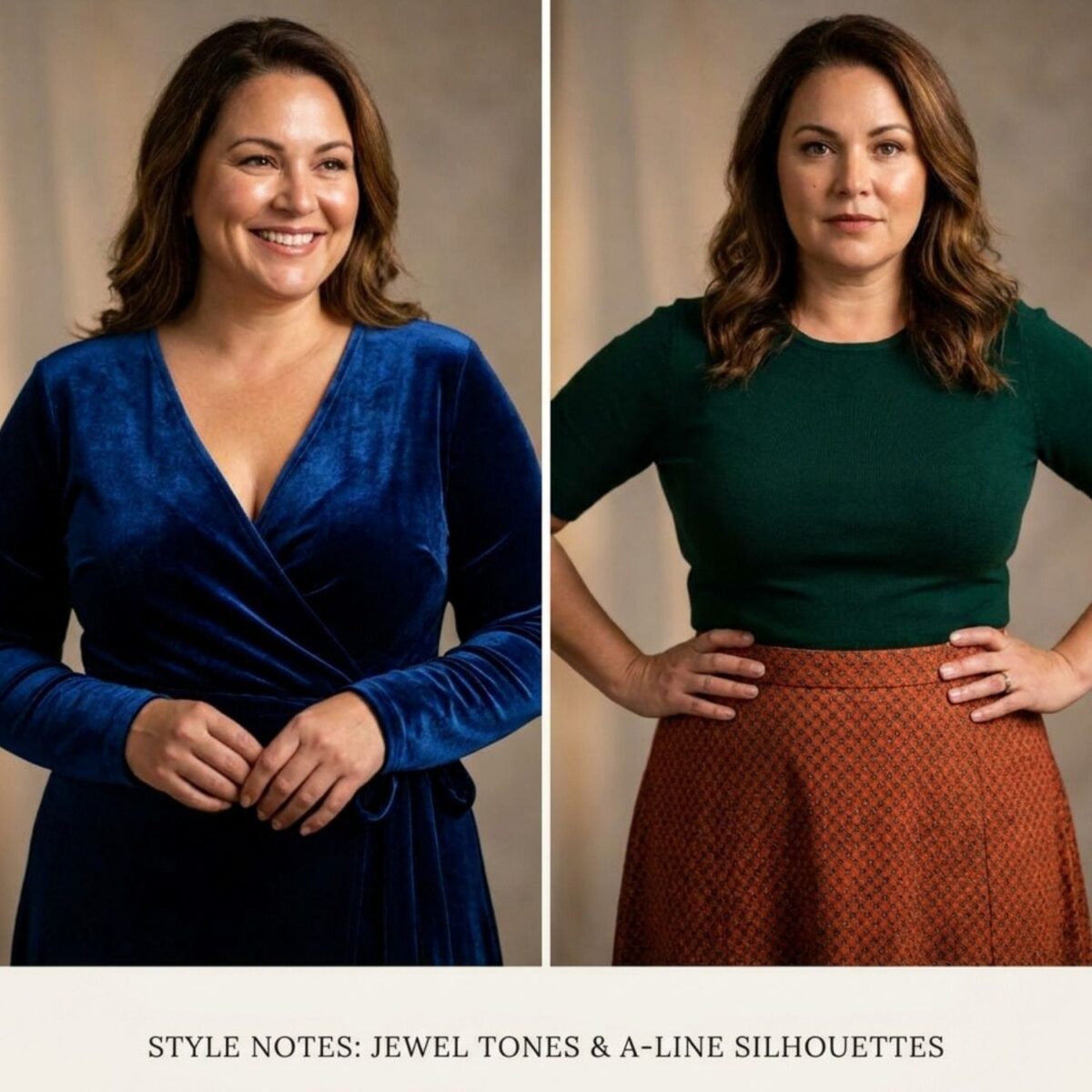
A V-neck or scoop neck opens the collarbone area and draws the eye upward. This makes it a reliable neckline choice across body types. A crew neck sits higher and can shorten the appearance of the neck and upper chest, especially in heavier fabrics.
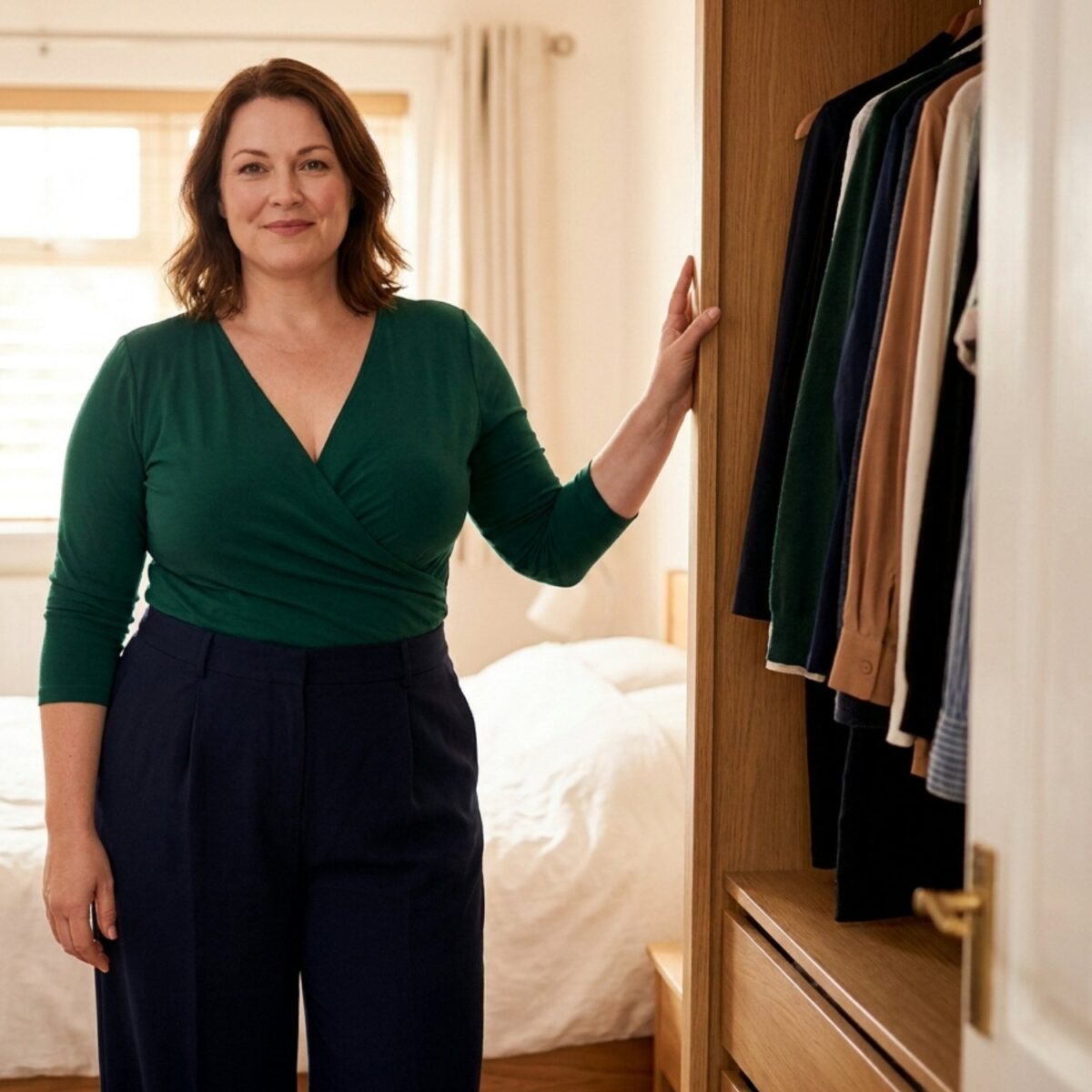
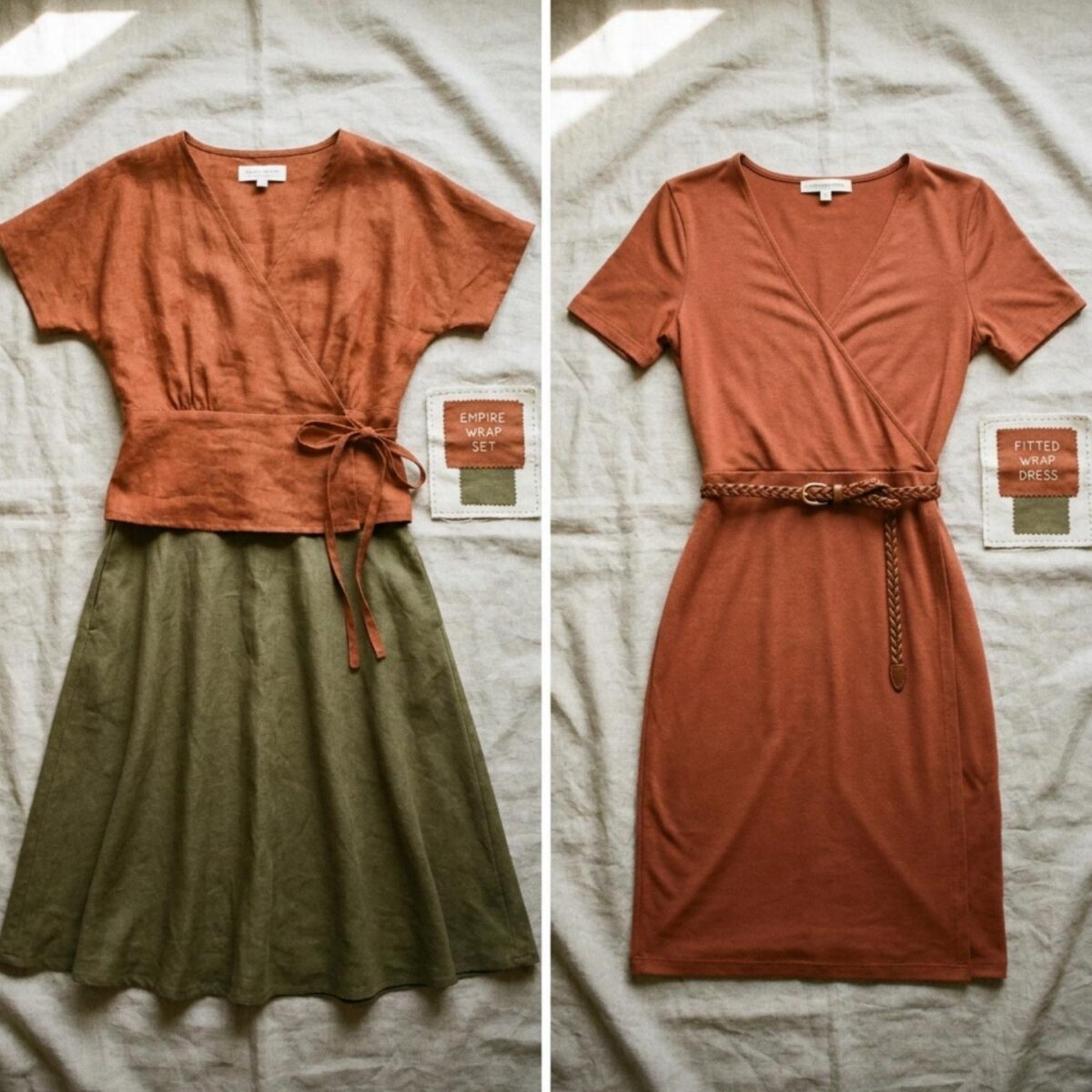
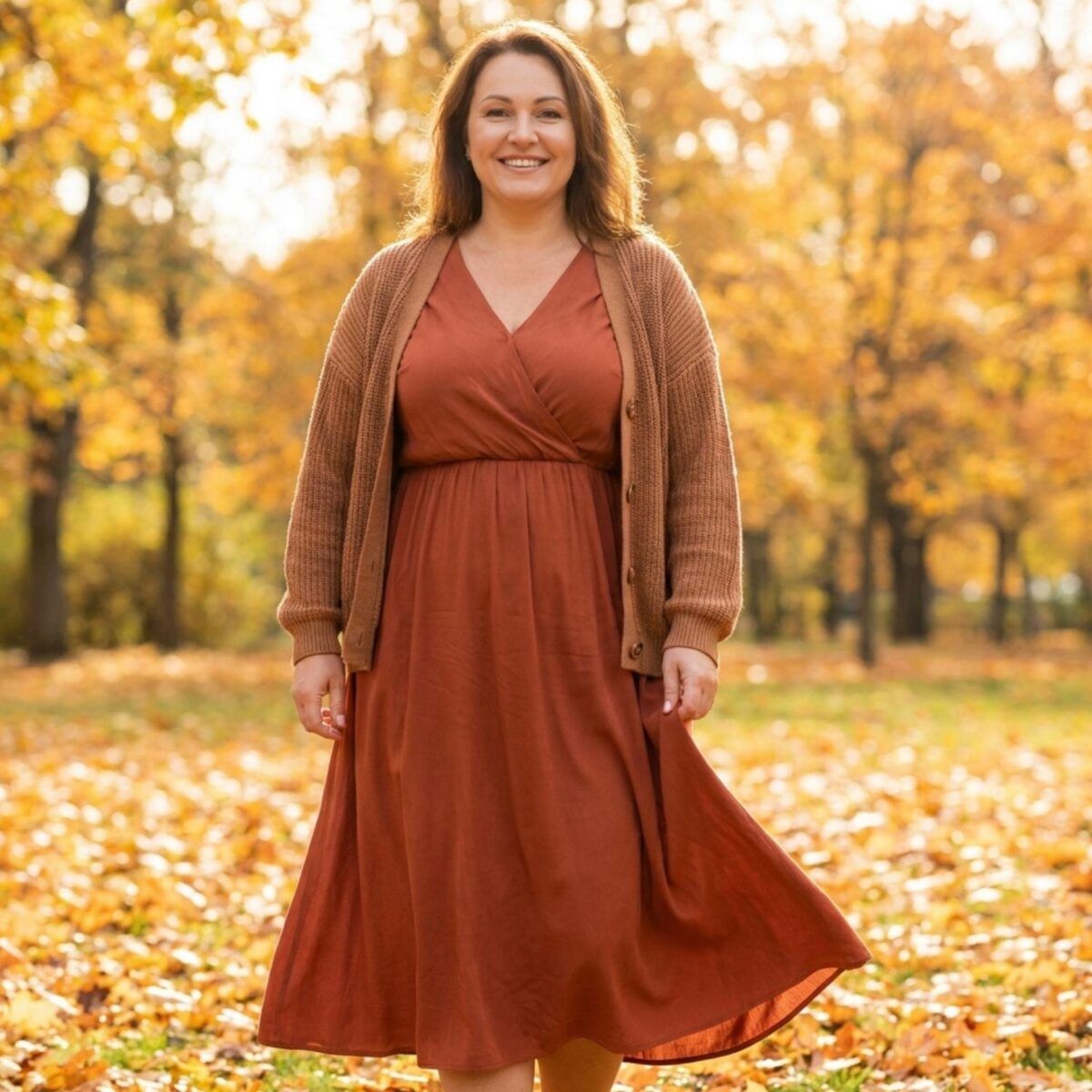
A wrap dress or wrap-style top defines the waist through the actual cut of the fabric. It moves with the body instead of relying on elastic or a tight seam. An A-line skirt or dress skims from the widest point of the hip rather than clinging to it. This creates a different and more flattering effect than simply wearing something “loose.” These two silhouettes often come up in searches for flattering clothes for plus size. Both create shape without relying on tightness.
They're also the two starting points recommended most often for flattering dresses plus size shoppers try first, before moving on to prints or structured tailoring. This plus size date night outfit roundup shows several wrap and A-line pieces styled together for a real sense of how they read on.
Dressing an Apple Shape
An apple shape carries more weight through the midsection with a smaller lower body. Empire waists and wrap tops are also the two silhouettes that hold up best through a long holiday meal, which is why they anchor most of these Thanksgiving outfit ideas for plus size women A wrap top or dress creates a defined waistline without requiring a fitted waistband. An A-line or fit-and-flare skirt balances the frame by adding visual width below the waist. Empire waistlines sit just under the bust and skip the midsection entirely. They’re a reliable choice in flattering clothes for plus size built around an apple shape. Consider prioritizing them over pieces with a fitted waistband. This plus size everyday outfit guide for women over 40 has several empire-waist pieces styled for daily wear.
Dressing an Hourglass Shape
An hourglass shape already has a defined waist relative to the bust and hips. The goal is to show that proportion rather than cover it. A fitted or semi-fitted silhouette, wrap style, or belted piece can highlight the waist. All three often appear on lists of flattering clothes for plus size built for this shape. Boxy, unstructured shapes hide the waistline this body already has, which works against the frame. The most flattering plus size clothes for an hourglass shape usually include waist definition. Even soft definition can work well. The layered pieces in this plus size winter outfit guide for women over 40 show how a belted coat can add that same waist definition over bulkier winter fabric, another example of flattering clothes for plus size working with layers instead of against them.
Are Flattering Tops and Dresses for Plus Size Held to the Same Rules?
Not entirely. Tops and dresses share the same fabric and fit principles behind flattering clothes for plus size, but each has one rule of its own.
Flattering tops for plus size wear follow the same fabric and neckline principles as flattering clothes for plus size overall. However, sleeve length and cut matter more on a top because the arm is more visible.
A three-quarter sleeve or slightly fitted sleeve with a defined cuff can look more polished. A loose, unstructured sleeve may add bulk at the widest part of the arm. This is where flattering tops for plus size and flattering outfits for plus size overlap most. A well-cut top does most of the visual work.
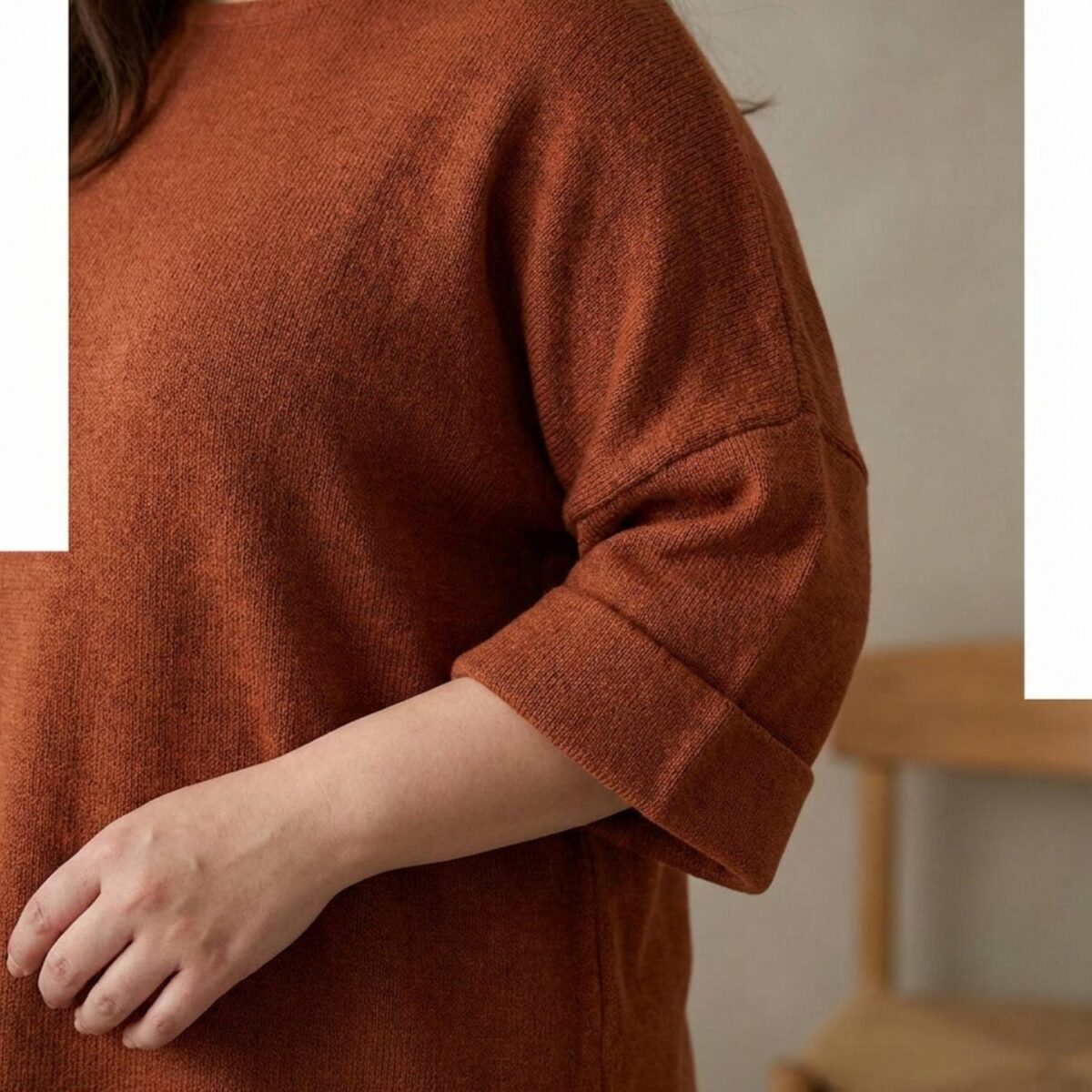
Flattering dresses plus size shoppers reach for often benefit from a defined waist. That definition can come from a seam, wrap closure, or tie.
A dress with no waist definition at all, even in a flowing fabric, tends to add width rather than remove it. Hem length matters too: a hem that hits at the narrowest part of the calf reads better in flattering clothes for plus size than one that cuts across the widest part. The same logic applies to flattering outfits for plus size built around separates. A fitted or wrap top paired with an A-line bottom does the same visual work as a wrap dress. The dressier pieces in this plus size brunch outfit roundup are a good reference for how hem length changes the whole look.
Flattering Clothes for Plus Size FAQs
There's no single garment that qualifies as the most flattering clothes for plus size across every body, since shape varies as much as it does at any size. The consistent factors are a fabric with real recovery (spandex content), a defined waist or waist suggestion, and a neckline that opens the upper chest. Those three hold up across apple, pear, and hourglass shapes.
Color has far less effect than fit and fabric, despite how often it's presented as the main lever in flattering clothes for plus size advice. A well-fitted garment in a bright color will read better than a poorly fitted garment in black, which is exactly why fit sits at the center of every real conversation about flattering clothes for plus size. A single solid color worn head to toe does create one visual line rather than several, which is a useful tool alongside good fit, not a substitute for it.
No. Dark colors are often recommended out of habit rather than evidence, and a well-cut garment in any color outperforms a poorly cut one in black. Fit and fabric recovery matter more than color choice when it comes to flattering clothes for plus size.
A knit blend with at least four to five percent spandex, such as ponte or scuba fabric, holds its shape through a full day and recovers after sitting. Fabrics with little to no stretch, like thin cotton or unlined linen, tend to cling or wrinkle in ways that work against fit. This single fabric detail separates flattering clothes for plus size from pieces that look right on the hanger and wrong by noon.
A hemline that hits at the narrowest point of the leg, usually just below the knee or at the ankle, tends to read better than one that cuts across a wider point like mid-calf. This varies by height and leg shape, so trying a piece on and checking where it falls is more reliable than following a fixed rule. That single habit, trying it on and checking the hem, does more for flattering clothes for plus size than any rule on this page.
More Style & Fashion
- Theater Outfit Ideas for Women Over 50: 9 Polished Looks for Broadway, Ballet, and Holiday Shows
- Winter Capsule Wardrobe for Women Over 50: 15 Pieces, 10 Easy Outfits
- Christmas in New York Outfits for Women Over 50: What to Wear From Rockefeller Center to Broadway
- Halloween Outfits for Women Over 50: 8 Easy Looks That Feel Like You, Not a Costume