Fall Trivia Questions and Answers: 25 Cozy Facts Behind Your Favorite Autumn Habits
Disclosure: This post may contain affiliate links. This means I get a small commission if you decide to make a purchase through my links at no extra cost to you.
These fall trivia questions and answers explain 25 familiar autumn habits, from why leaves change color to why the furnace smells like burning dust the first time it runs. Each answer takes one to three sentences, so any question can be read aloud in seconds.
Quick answer: This set of fall trivia questions with answers is grouped into four parts: the calendar, the outdoors, the kitchen, and the home. It is built as fall trivia questions for adults, so the answers go a step past the basics without needing special knowledge.
Several answers in these fall trivia questions and answers double as practical tips, such as when to plant spring bulbs and where to store apples.

Calendar and Daylight Questions
1. When does fall officially start?
Fall officially starts twice. Meteorologists count September 1 as the first day of fall, with the season running through November 30. The astronomical start is the autumnal equinox, which lands around September 22 or 23 in the US.
2. Why do Americans say fall instead of autumn?
Fall comes from the phrase “fall of the leaf,” which English speakers used by the 1500s and shortened to fall in the 1600s. Britain later favored autumn, while American English kept fall.
3. Why do days seem to get shorter so fast in fall?
Around the equinox, daylight shrinks faster than at any other time of year. Across much of the continental US, that works out to roughly two to three minutes lost each day, so the change is obvious within a couple of weeks.
4. What is a harvest moon?
The harvest moon is the full moon closest to the autumnal equinox, so it can land in September or October. Near the equinox, the moon rises only a little later each evening, which is why farmers traditionally used its light to keep working after sunset.
5. Why do clocks go back in November?
Daylight saving time, which shifts an hour of daylight into the evening during the warmer months, ends at 2 a.m. on the first Sunday in November. Clocks move back one hour, which returns morning light and pulls sunset earlier. Hawaii and most of Arizona skip the change entirely.
Leaves, Sky, and Backyard Questions
6. Why do leaves change color in fall?
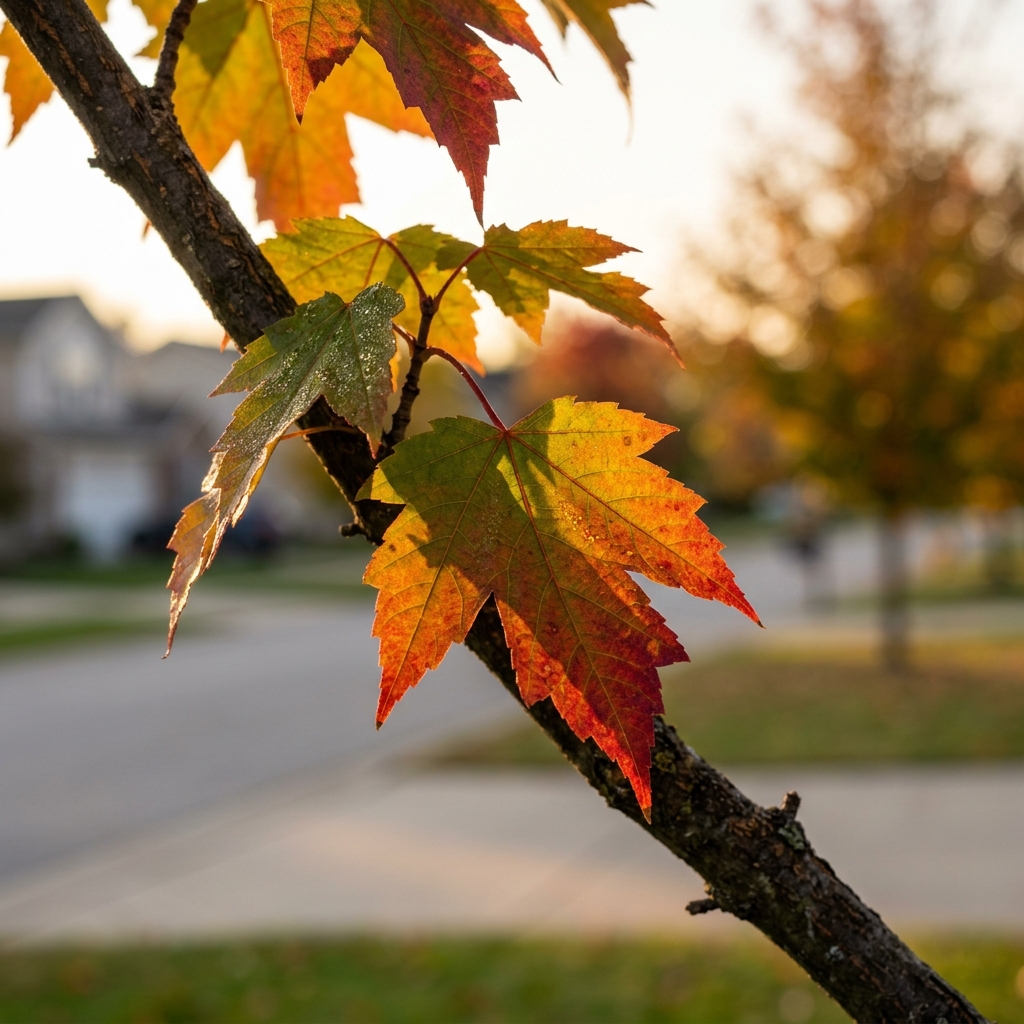
Leaves are green because of chlorophyll, and shorter, cooler days signal the tree to stop making it. As the green fades, yellow and orange pigments called carotenoids show through, and they were in the leaf all summer. Reds and purples come from anthocyanins, which many trees produce fresh in autumn.
7. Why are some fall foliage seasons brighter than others?
Weather in the weeks before peak color decides it. Sunny days followed by cool nights above freezing tend to produce the strongest reds, while an early hard frost or a long stretch of gray, wet days tends to mute the color.
8. Why do geese fly in a V?
Each bird flies slightly behind and beside the one ahead, which lets it ride the air lifted by the bird in front and spend less energy. Leading is the hardest position, so geese trade places at the front on long migrations.
9. Why do squirrels bury so many acorns?
Squirrels bury acorns one at a time in scattered spots to eat over the winter, a habit called scatter hoarding. Some are never recovered, and a few sprout into oak seedlings, which makes squirrels unofficial tree planters. Trivia about a different kind of animal lives in these alpaca fun facts.
10. Why is the grass wet on fall mornings when it has not rained?
That is dew. Grass loses heat overnight and cools below the dew point, so moisture in the air condenses on the blades. Fall’s longer, clear, calm nights give grass more time to cool.
11. Why does the light look golden in fall?
The sun sits lower in the sky in autumn, so its light travels through more atmosphere before it reaches the ground. That longer path scatters away more of the blue light and leaves warm yellow and orange tones, which is why an ordinary afternoon can look gold.
Kitchen and Pantry Questions
12. Why does everyone crave warm, hearty food in fall?
Cooler air makes soups, braises, and baked dishes more appealing, and the season’s produce suits slow cooking. Squash, apples, and root vegetables peak as the weather turns and hold up to long roasting.
13. What is in pumpkin spice?
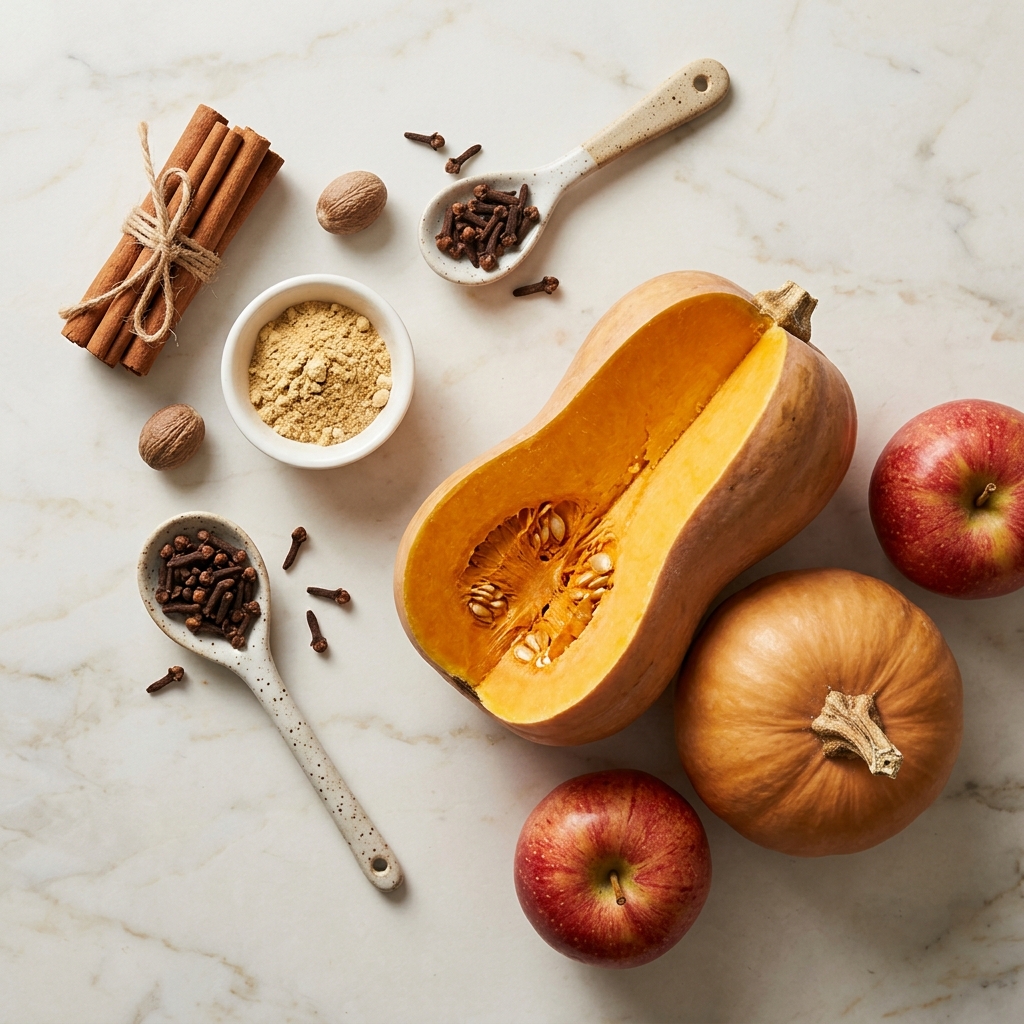
Pumpkin spice is a blend of cinnamon, ginger, nutmeg, and cloves, and some versions add allspice. It was created for pumpkin pie, and there is no pumpkin in the jar. The same blend works in apple crisp, oatmeal, and pancakes, and the full lineup of fall spices goes well beyond it.
14. Is canned pumpkin made from pumpkin?
Often it is squash. Many cans labeled pumpkin are made from tan-skinned winter squash such as Dickinson, which is denser, sweeter, and less stringy than a jack-o’-lantern pumpkin. For pie, that smoother texture is usually the goal.
15. What is the difference between apple cider and apple juice?
In the US, cider is usually unfiltered pressed apple juice, so it looks cloudy and tastes fuller. Apple juice is filtered to remove pulp and sediment and is usually shelf-stable. Hard cider is a separate drink that has been fermented.
16. Why do apples taste best in fall?
Peak apple harvest across much of the US runs from September into November, so apples sold in fall have spent the least time in storage and are at their firmest and juiciest. Keep them apart from other fruit, because apples give off ethylene gas that speeds up ripening in nearby bananas, avocados, and pears.
17. Why do roasted vegetables taste sweeter?
Roasting at around 400°F drives off water and browns the natural sugars in the vegetables, which concentrates sweetness and adds a nutty edge. That is why roasted carrots, squash, and beets taste sweeter than boiled ones. A crowded pan traps steam and blocks the browning, so give the pieces space. More kitchen questions are in the 25 food trivia questions.
Cozy Home and Tradition Questions
18. Why do certain smells bring back fall memories so fast?
Scent signals travel from the nose to brain regions tied to memory and emotion more directly than signals from sight or sound, so a whiff of cinnamon or woodsmoke can pull up a specific autumn from years ago. The same link is why choosing one scent for the whole season makes a home feel consistent.
19. Why does the heat smell like burning dust the first time it runs?
Dust settles on heating elements, vents, and furnace parts over the warm months, and it burns off when the system starts up in fall. The smell usually fades within a day or so. A smell of gas is different and needs an immediate call to the gas utility.
20. Why do people light more candles in fall?
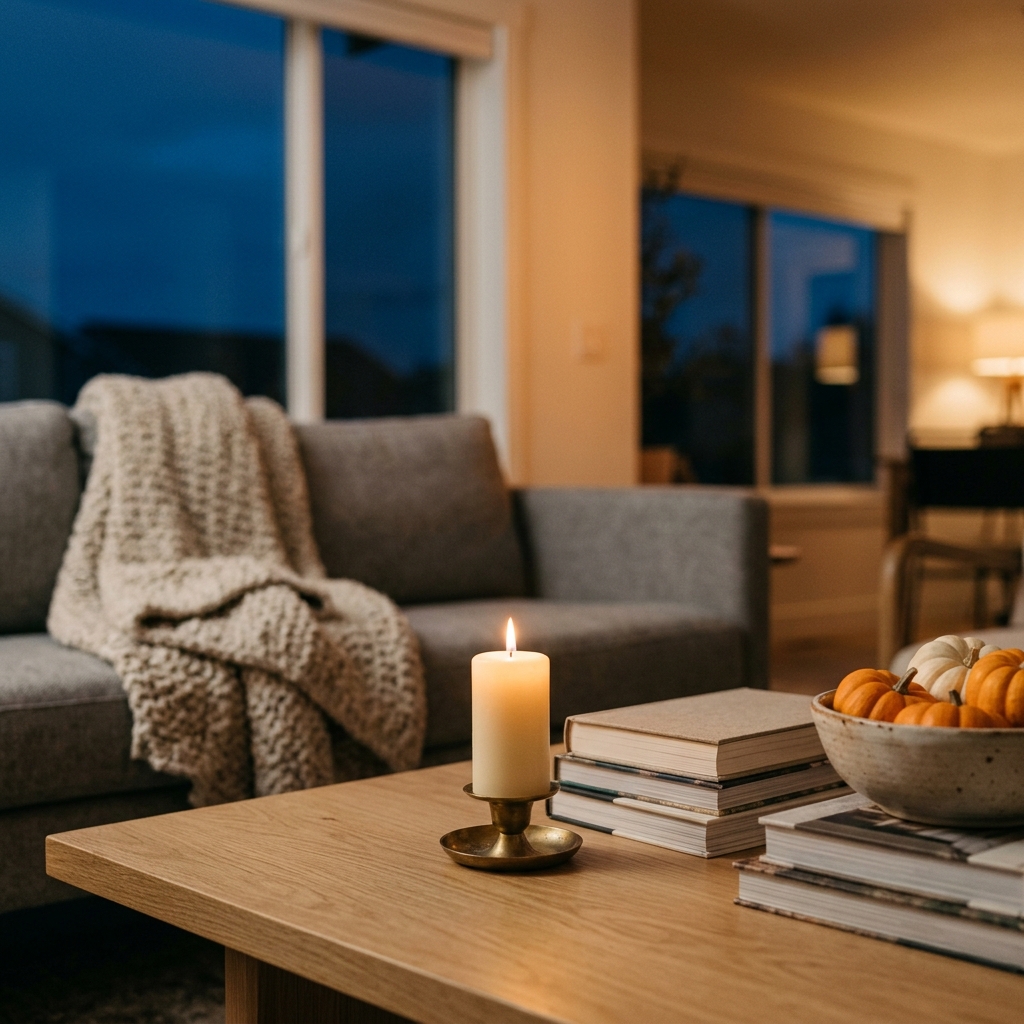
Sunset comes earlier, so more of the evening happens after dark, and candlelight warms a room faster than any new decor. Other simple ways to make a home feel cozy work the same way. Keep flames at least a foot from throws, curtains, and dried arrangements.
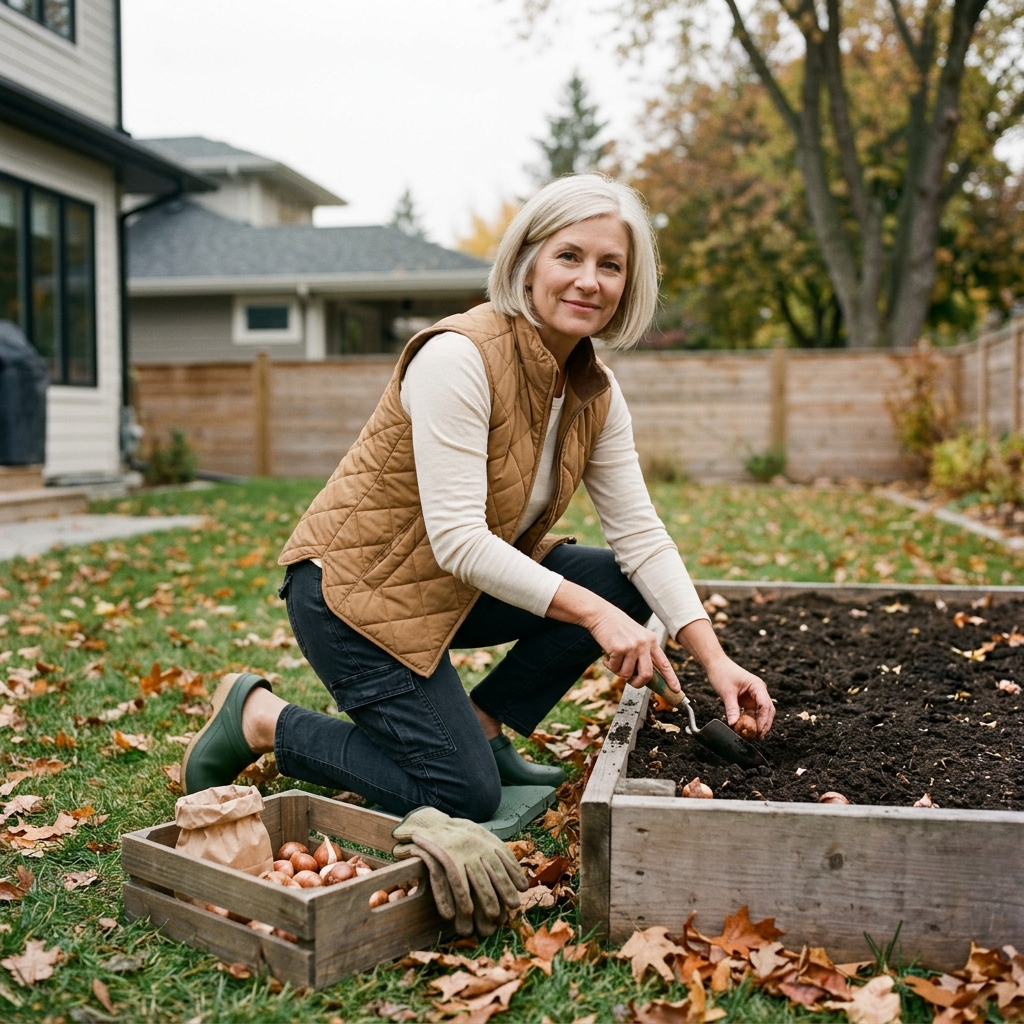
21. Why is fall the time to plant spring bulbs?
Tulips, daffodils, and most other spring bulbs need weeks of cold soil before they bloom, often 12 to 16 weeks for tulips. Planting once soil temperatures settle below about 60°F, usually six to eight weeks before the ground freezes, gives the roots time to establish first.
22. Should you rake fall leaves off the lawn?
A thick layer of whole leaves blocks light and holds moisture against the grass, which can smother a lawn by spring. Raking is one fix. Mowing the leaves into small pieces is another, because the fragments break down and return nutrients to the soil.
23. Why do people carve pumpkins for Halloween?
The tradition comes from Ireland, where people carved turnips and other root vegetables into lanterns. Irish immigrants brought the custom to the US, and pumpkins, which are larger, softer, and native to North America, turned out to be far easier to carve.
24. Why is Thanksgiving on the fourth Thursday of November?
President Lincoln proclaimed a national Thanksgiving in 1863 for the last Thursday of November, and the date stayed there for decades. In 1939, Franklin Roosevelt moved it a week earlier to lengthen the holiday shopping season, which split the country into two Thanksgivings. Congress settled the debate in 1941 by fixing it as the fourth Thursday.
25. Why does fall feel like a fresh start?
For many Americans, autumn has marked the start of a new school year since childhood, which gives September the feel of a reset. Researchers who study the fresh start effect have found that people are more likely to begin new goals after a natural landmark, such as a new month, a new semester, or a birthday. That makes fall a good moment to restart routines that stalled in summer.
How to Use These Fall Trivia Questions and Answers at Any Table
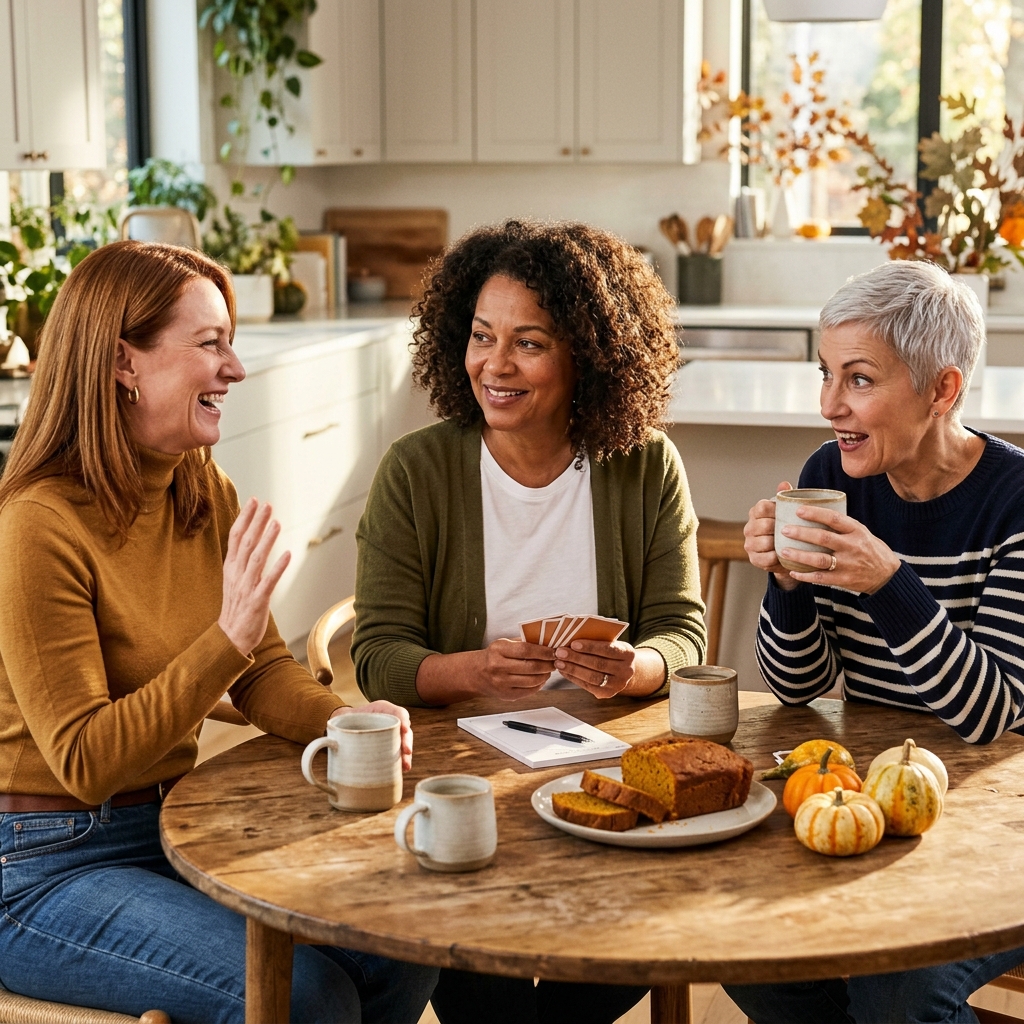
The 25 fall trivia questions and answers above work as a quiet game or a dinner-table conversation starter. Read one of the fall trivia questions, give the table about ten seconds to guess, then read the answer.
Match the fall trivia questions to the moment:
- Calendar and daylight questions suit a mixed crowd, because the answers are short.
- Leaves, sky, and backyard questions work on a walk or around a fire pit.
- Kitchen and pantry questions suit a table with food on it.
- Cozy home and tradition questions fit holiday gatherings.
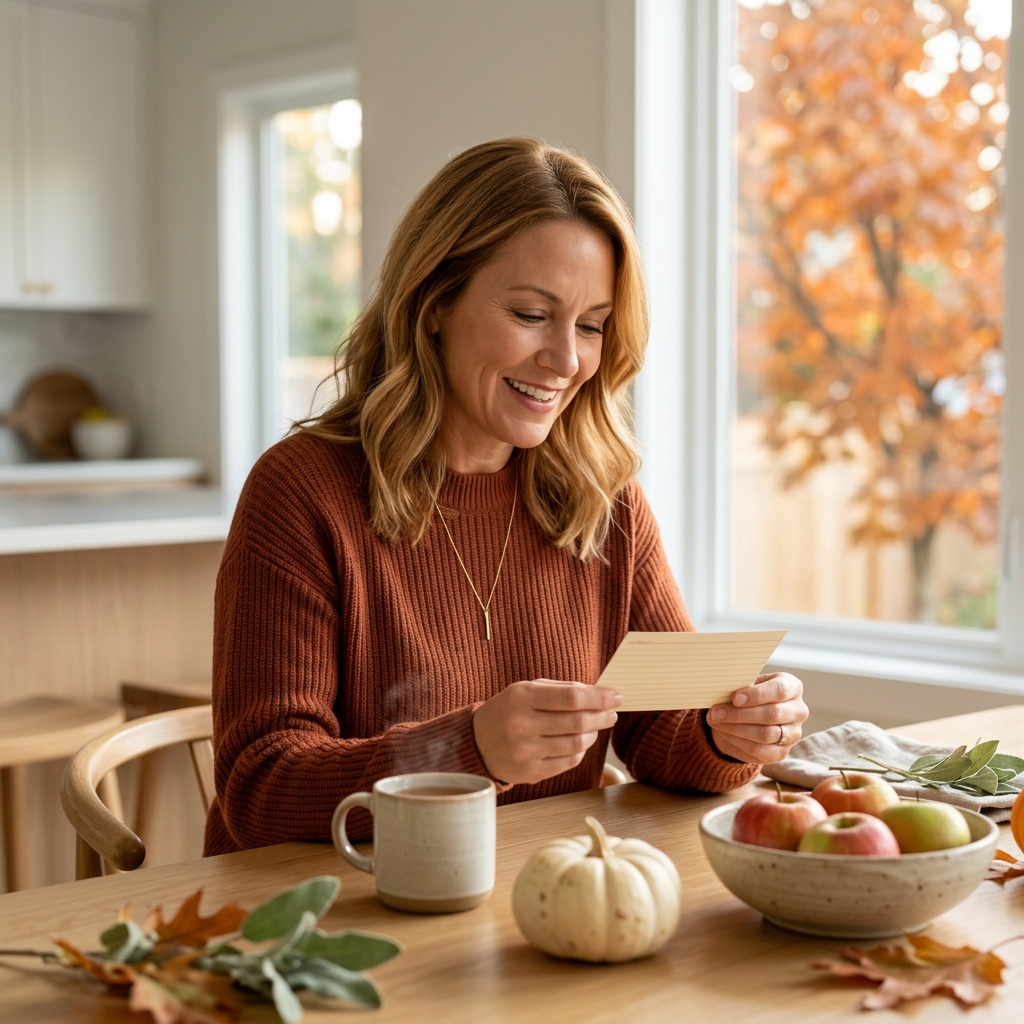
For a scored game, give one point per correct guess and rotate who reads, so the reader is not always the one who knows the answer. Lead with the surprising ones, like canned pumpkin and the two Thanksgivings, to keep the fun fall trivia moving. Autumn trivia questions like these also work as place-card prompts at a dinner party. Copy fall trivia questions with answers onto index cards, question on the front and answer on the back, one card per seat.
Fall Trivia FAQs
The easiest fall trivia questions and answers come from the calendar and kitchen groups. When fall officially starts, what is in pumpkin spice, and why apples taste best in autumn all have short, clear answers that most people can guess at.
The best fall trivia questions for adults explain something familiar that most people have never looked up: why the furnace smells like burning dust, why Thanksgiving briefly had two dates, or whether canned pumpkin comes from pumpkin at all.
Yes. The funniest answers are the surprising ones: squirrels that forget where they buried acorns, canned pumpkin that turns out to be squash, and a furnace that fills the house with the smell of burning dust on the first cold night. For fun fall trivia that gets a reaction, read those aloud first.
Yes. Any of the fall trivia questions and answers above can become multiple choice by pairing the correct answer with two believable wrong ones. For the harvest moon, the choices could be the full moon closest to the equinox, the first full moon in October, or the moon that rises earliest in the evening.
Yes. These autumn trivia questions are family-friendly and none of the answers require specialist knowledge, so the set works at a table that spans several generations.