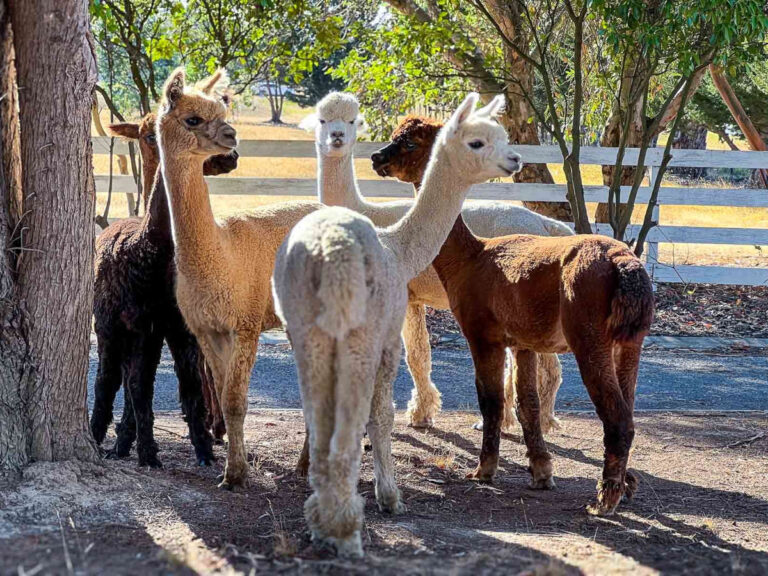
Are Alpacas Good Pets? What to Know Before You Fall for Those Ears
Are alpacas good pets? For the right home, yes. Alpacas are calm, curious, and gentle by nature, and they rarely bite or headbutt the way some farm animals do. The catch is that they are herd animals, not solo companions. Alpacas need at least one other alpaca for company and roughly half an acre of safe pasture for two to three animals. They also need yearly shearing along with routine hoof and vaccination care. They are not a cuddly lap pet or a good fit for a small yard. On a rural or semi-rural property, though, alpacas can be a calm, low-drama addition.
Disclosure: This post may contain affiliate links. This means I get a small commission if you decide to make a purchase through my links at no extra cost to you.

Why Alpacas Make Surprisingly Good Pets
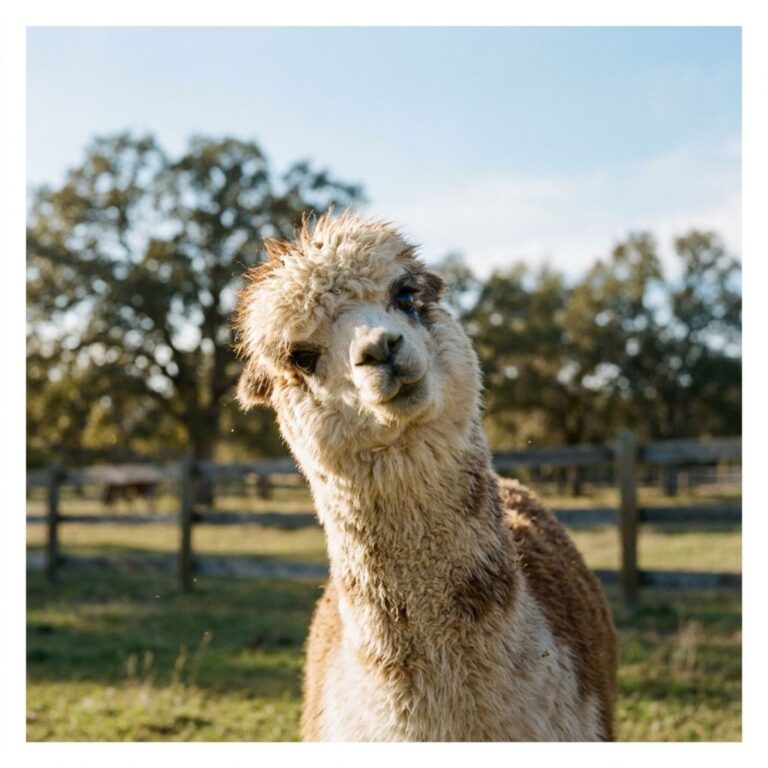
Alpacas were domesticated thousands of years ago in the Andes for their fiber. That long history of living close to people shows in their temperament. They are quiet, watchful, and naturally curious rather than defensive. That helps explain why are alpacas good pets keeps coming up as a serious question rather than a joke. A calm alpaca will often walk right up to investigate a new visitor instead of bolting, the kind of personality that comes through clearly in a closer look at the alpacas behind this blog.
A few traits, backed up by more interesting alpaca facts, make them stand out from other livestock:
- Quiet by nature. Alpacas hum to communicate, a soft, almost musical sound, instead of braying or bleating loudly like goats or donkeys.
- Gentle mouths. Alpacas have no upper front teeth, only a hard dental pad, so they browse and nibble rather than bite.
- Low aggression. True aggression toward people is uncommon in a well-socialized alpaca; most negative behavior is nervousness, not hostility.
- Long lifespan. A healthy alpaca typically lives 15 to 20 years, so this is a decade-plus commitment, not a passing hobby.
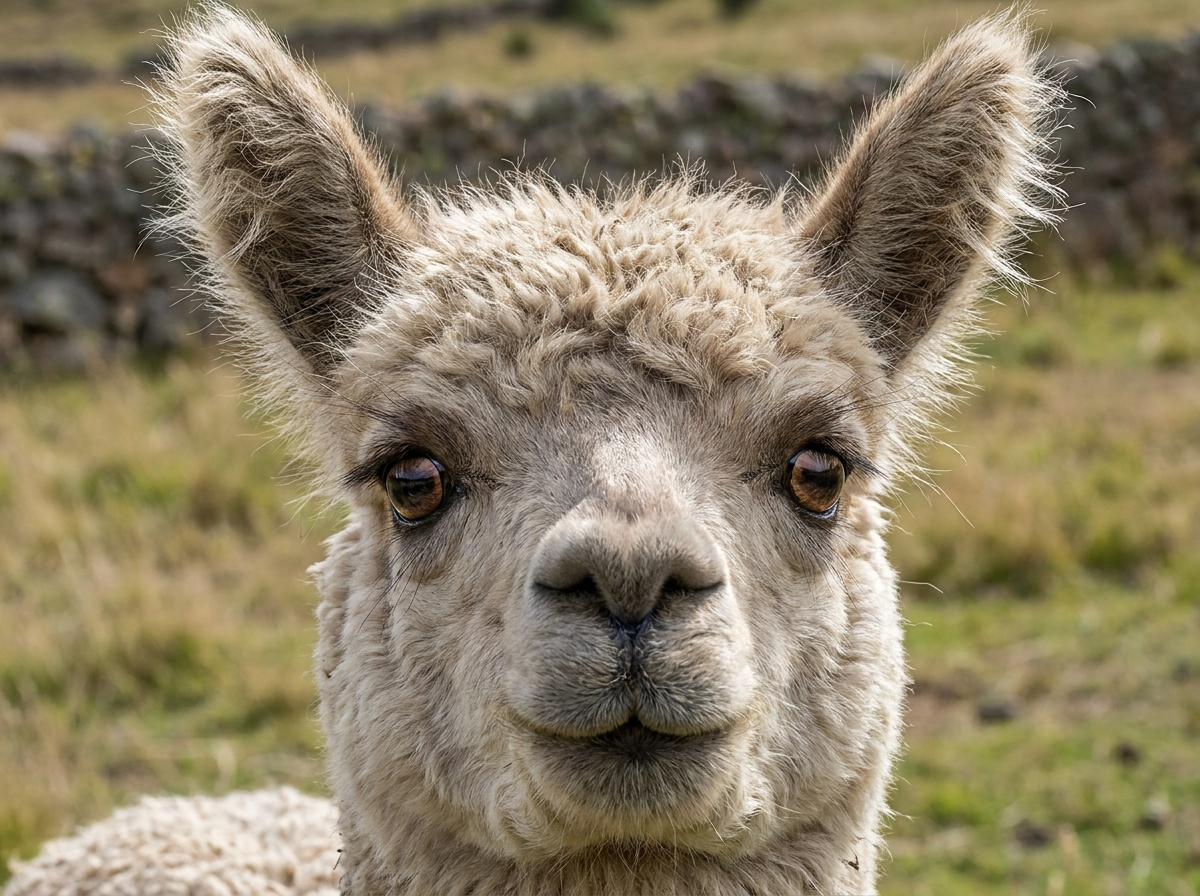
What To Know Before Bringing Home Alpacas
Do alpacas make good pets for every property? Not quite. Are alpacas good house pets is really the wrong question to ask because alpacas are not built for indoor life. A few practical realities separate a good outdoor match from a frustrating one.
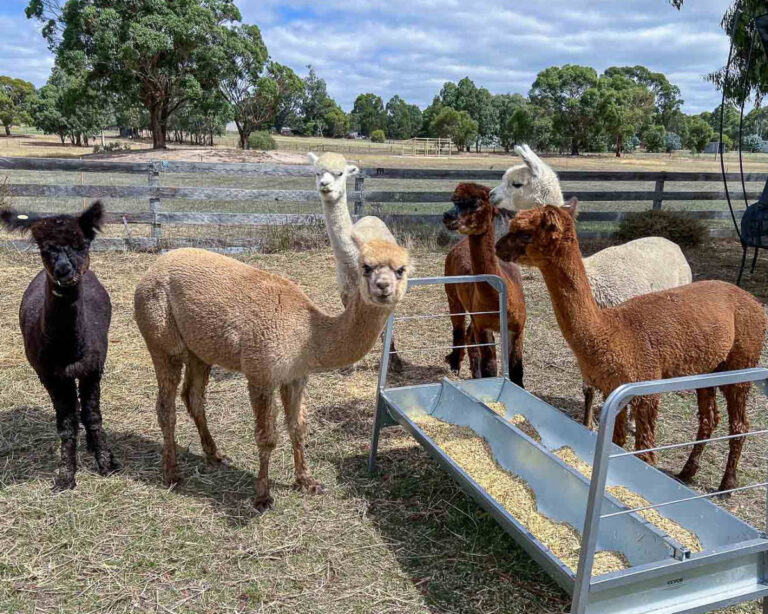
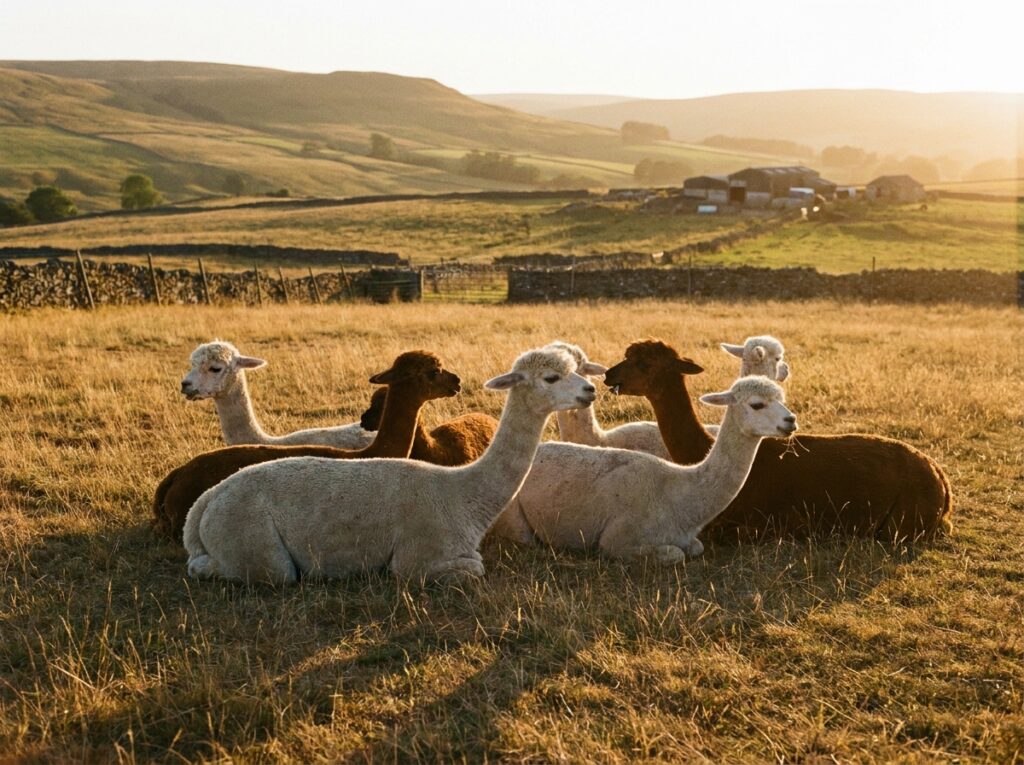
Alpacas are herd animals first. A single alpaca left alone will pace, call constantly, and show real signs of stress. Two is the working minimum, and three is more forgiving if one ever needs to be separated for health reasons. This single fact trips up more new owners than anything else.
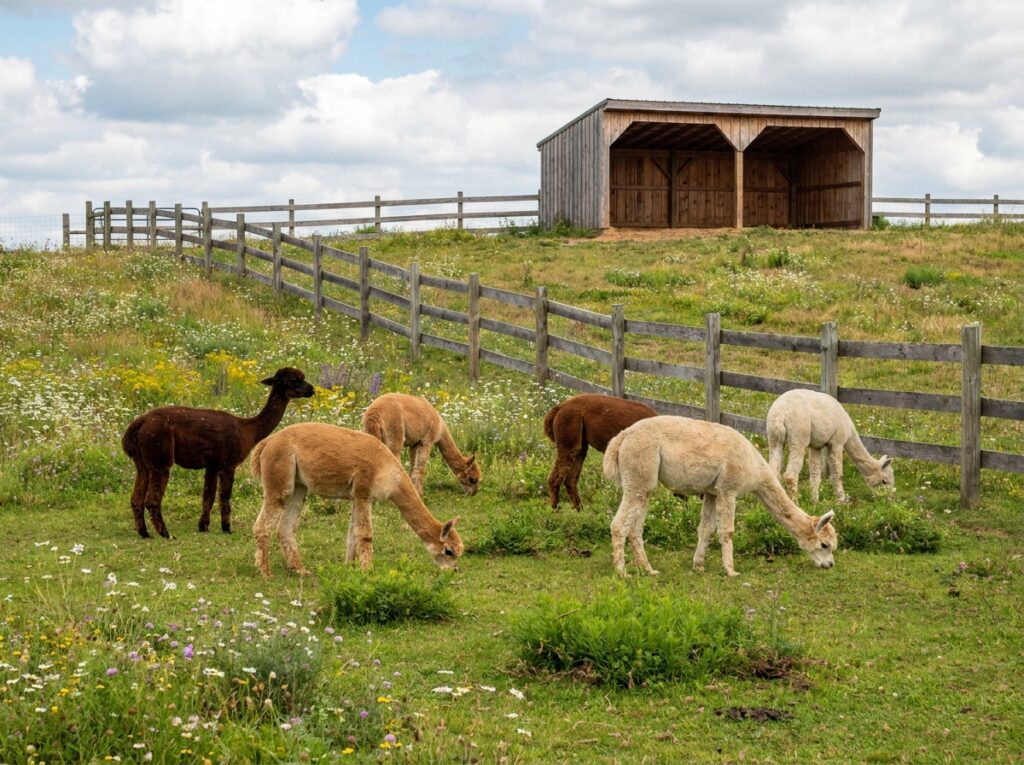
Space matters more than square footage suggests. A rough guideline is half an acre of usable pasture for two to three alpacas, with secure fencing at least four feet high. Alpacas are not strong jumpers or diggers, so fencing is mainly about keeping predators out rather than keeping alpacas in.
Shelter needs are simple. A three-sided run-in shed is usually enough, since alpacas tolerate cold well thanks to their fiber but need shade and airflow in summer heat.
Feeding is straightforward. Alpacas graze on grass hay and pasture, with a small amount of alpaca-specific mineral supplement. They are efficient eaters and typically cost less to feed than a horse of similar size.
Annual care is predictable. Shearing happens once a year, usually in late spring, along with routine hoof trimming, vaccinations, and a fecal check for parasites. Budgeting $200 to $500 per alpaca per year for routine care is a reasonable starting range, on top of the shed, fencing, and initial purchase cost.
Are Alpacas Good With Families and Kids?
Alpacas tend to do well around calm, supervised children. They are not a hands-on pet in the way a dog is. Most alpacas tolerate being near people more than they enjoy being petted or hugged. They will usually move away if they feel crowded. Teaching kids to stay calm, keep voices low, and let the alpaca approach first goes a long way toward a good relationship. Many alpacas also grow attached enough to recognize and respond to their own names, which only helps with kids learning to interact calmly.
Are alpacas good therapy animals? Increasingly, yes. Their quiet presence, soft humming, and non-threatening size make them popular in farm-visit and therapy-animal programs. They can be especially appealing to people who find a horse’s size intimidating. A therapy alpaca still needs the same herd companionship and space as any other alpaca; the calm temperament that makes them good therapy animals does not remove the basic care requirements.

Common Alpaca Myths, Cleared Up
A few misconceptions come up often enough to address directly:
- “Alpacas spit at people constantly.” Spitting is mostly alpaca-to-alpaca herd communication over food, space, or rank, not a default greeting for humans. A startled or mishandled alpaca can spit at a person, but it is the exception, not the rule.
- “One alpaca is enough company for a horse or goat.” Alpacas bond most strongly with their own species. A lone alpaca kept with other livestock instead of alpacas often stays anxious.
- “Alpacas make good guard animals.” Some alpacas do react to predators, but they are prey animals themselves and should not be relied on as the sole protection for a flock.
Are Alpacas Good Pets or Farm Animals?
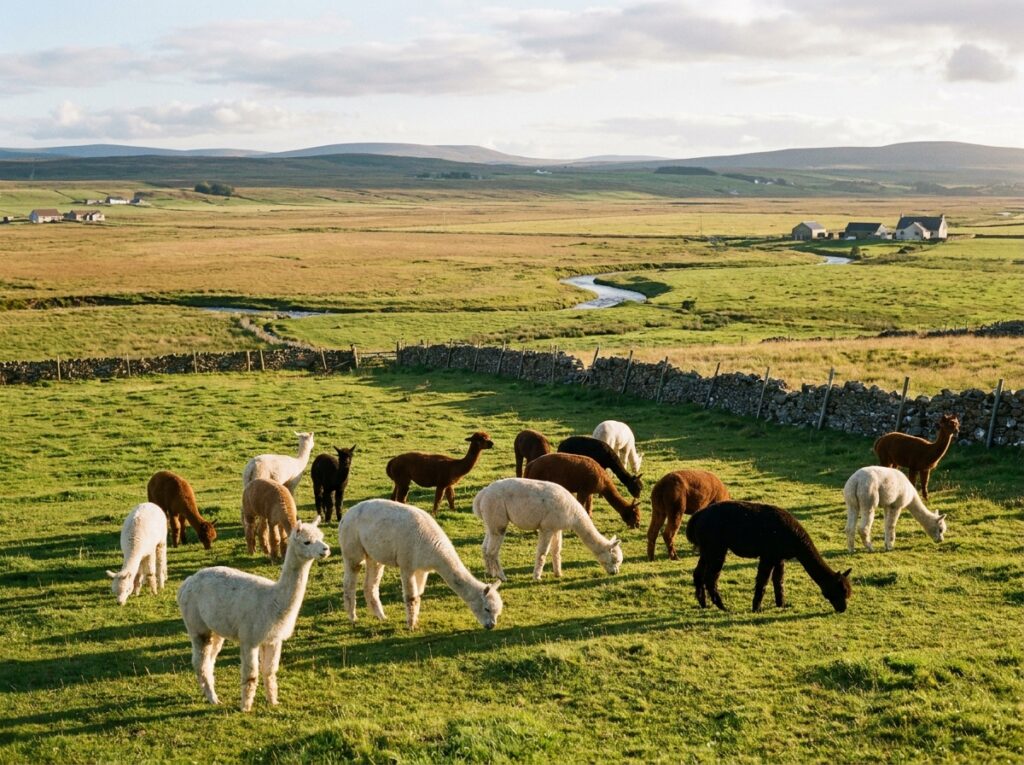
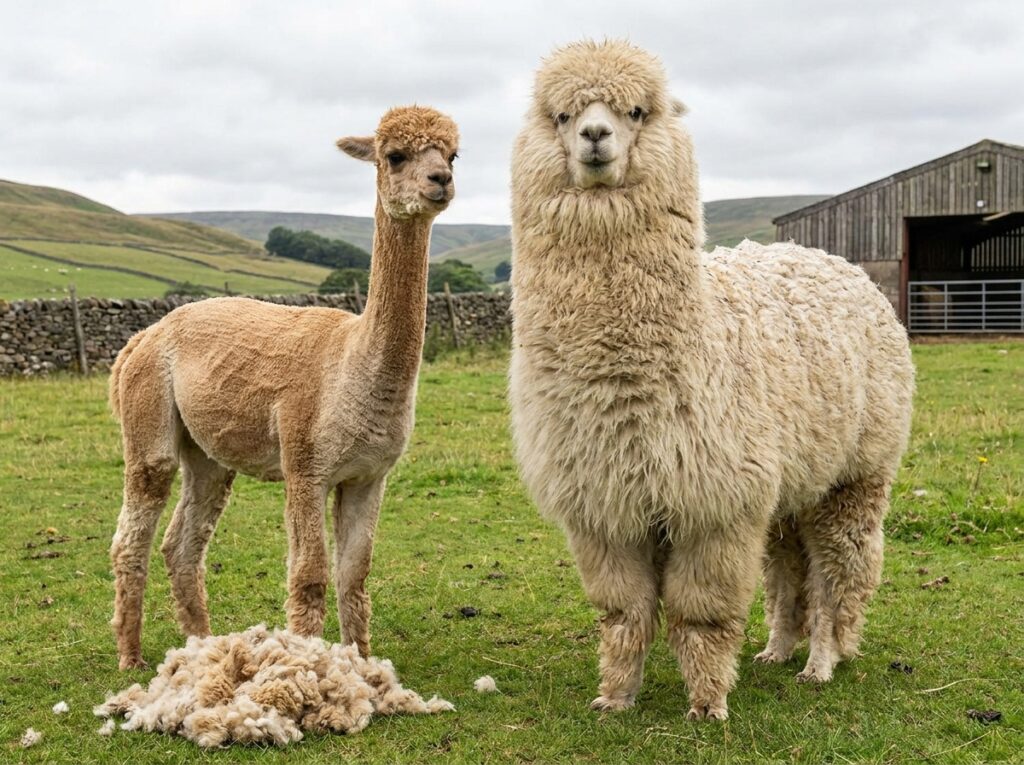
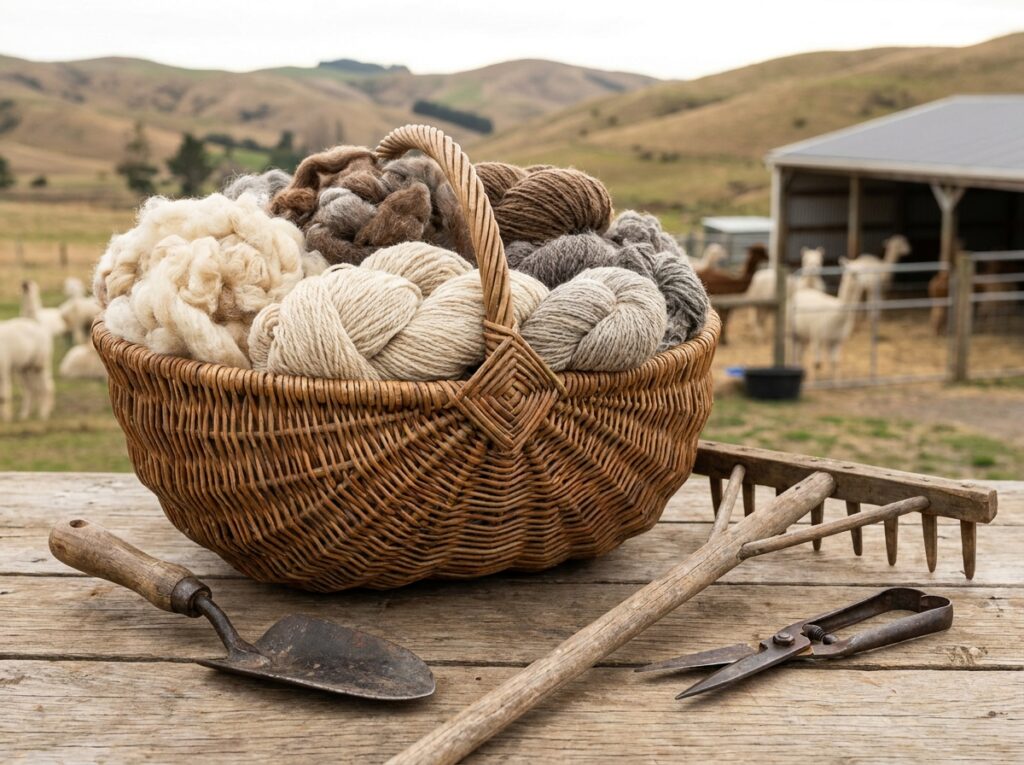
Are alpacas good farm animals? For a rural or semi-rural property with room for a small herd, alpacas fit comfortably alongside chickens, goats, or a small garden operation. They are quieter than most livestock and gentler on pasture than horses or cattle. Their padded feet cause less ground damage. Their fiber can even become a modest side income through yarn, roving, or felted goods. For anyone weighing are alpacas good pets against goats or chickens, alpacas are often the calmer, lower-maintenance choice. The key is meeting their herd-size and space requirements from day one. They’re also easy to confuse with their taller cousins, so it helps to know how alpacas differ from llamas before deciding which fits the property best.
So, Are Alpacas Good Pets For You?
The honest answer to are alpacas good pets is that it depends less on the animal and more on the property. Anyone with room for a small herd and secure fencing may find alpacas easy, quiet, and rewarding. Owners also need to handle yearly shearing and routine vet care. Are alpacas good house pets in the way a dog or cat is? No, and they were never meant to be. Alpacas belong outdoors, in a herd, with pasture underfoot. For that setting, though, few animals offer as much calm presence for as little daily fuss.
Are Alpacas Good Pets? FAQs
Not comfortably. Alpacas are herd animals and a solitary alpaca typically becomes stressed, vocal, and prone to health issues tied to that stress. Plan for at least two from the start.
A general guideline is half an acre of secure pasture for two to three alpacas, with access to shade, clean water, and a simple three-sided shelter.
Initial purchase price varies widely, but annual upkeep, including feed, shearing, hoof care, and vaccinations, typically runs $200 to $500 per alpaca, which is modest compared to a horse.
Rarely. Alpacas have no upper front teeth, so bites are uncommon, and spitting is usually reserved for other alpacas rather than people.
Not usually. Alpacas need pasture space and herd company, so a small suburban yard is not enough room, even for a single friendly alpaca.
A vet familiar with camelids is helpful for vaccinations, parasite checks, and any health concerns, since alpacas have some care needs that differ from more common livestock like goats or sheep.