42 Interesting Facts About Alpacas Most People Don’t Know (With Surprising Details)
Interesting facts about alpacas go far beyond their soft fleece and calm appearance. At a glance, they seem quiet and almost decorative, standing still in a field with that familiar gentle expression. But the longer you spend time around them, the more you start to notice small, everyday patterns that don’t show up in photos.

From the way they communicate to how they move as a group, there is a steady rhythm to what alpacas are like. Some of these alpaca facts are widely known, such as their fleece and calm nature, but others are subtler and only become clear over time. It’s often the quieter details that end up being the most interesting.
What makes these animals stand out is not just how they look, but how they behave, respond, and adapt to their environment. The mix of unusual habits and simple routines is what makes learning these real-life details worth paying attention to.

Strange and Surprising Alpaca Facts
Some of the more surprising alpaca facts are the ones that don’t match expectations at all. These are the small but unusual details that most people don’t notice until they spend time around them. A few of these facts also answer common questions like do alpacas spit, but in a way that makes their behavior easier to understand.
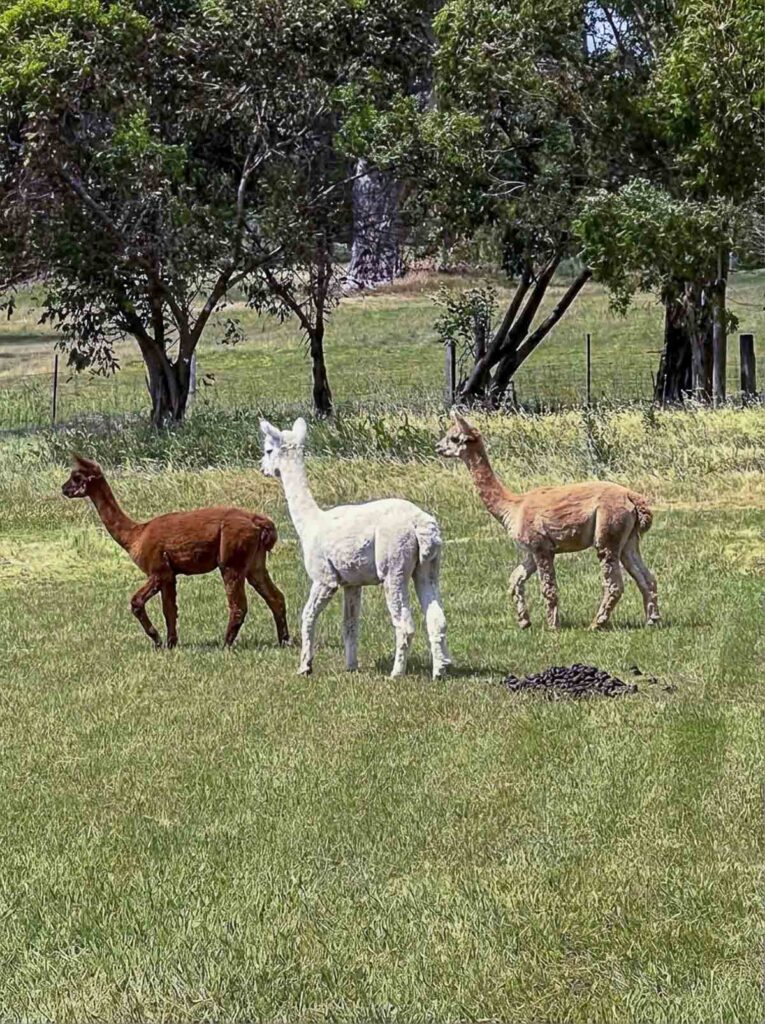
- Alpacas use a communal dung pile.
The whole herd returns to the same spot instead of going wherever they want. This keeps most of the pasture clean and makes daily maintenance much easier. - Alpacas don’t have top front teeth.
They have a dental pad instead of upper incisors. This allows them to graze grass cleanly without pulling it out by the roots. - Male alpacas develop fighting teeth.
These sharp teeth grow along the sides of their mouth and are used during conflicts with other males. They are often trimmed by owners to prevent injury within the herd. - Alpacas make different sounds, not just humming.
They hum most of the time softly, especially when they are calm or curious. They can also make sharper alarm calls or short clucking sounds when something feels off. - Alpacas can help protect sheep and smaller animals.
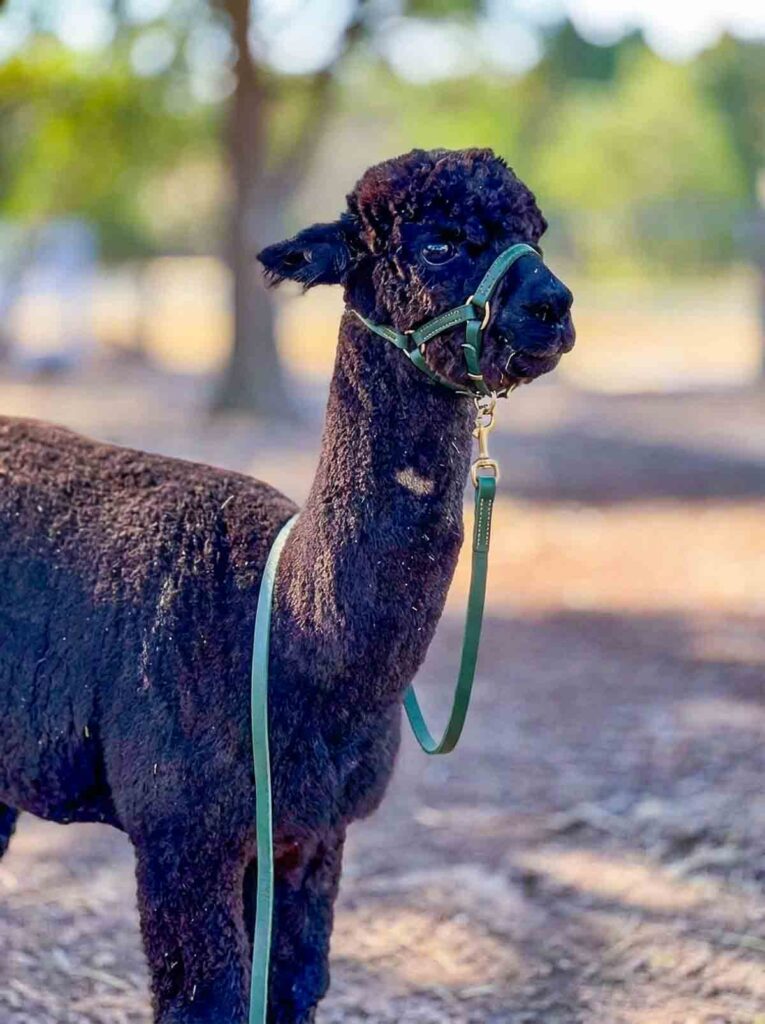
Some alpacas act as guard animals and will confront threats when needed. They may chase, kick, or spit to push away predators or unfamiliar animals. - Alpacas can be trained to walk on a halter.
With patience and repetition, they learn to follow basic handling cues. This makes it easier to move them safely and manage them during routine care. - Alpacas do spit, but usually at each other.
Spitting is part of their social behavior and not random aggression. It is most often used to manage space or settle small disputes. - Spitting is often about food or space.
During feeding, alpacas use it to establish boundaries and maintain distance. It helps keep order within the herd without constant conflict. - Alpacas hum to communicate.
The sound is soft and steady, almost like background noise in the field. It shifts slightly depending on their mood, comfort, or attention. - They also make alert calls when needed.
These sounds are sharper and more noticeable than humming. They are used to warn the herd when something unfamiliar appears and help others stay alert.
Alpaca Behavior and Social Habits
Once you spend time observing them, alpaca behavior facts start to feel more predictable than random. Most of their communication is quiet, and much of what they do is based on small signals rather than loud reactions. Understanding what alpacas are like often comes down to noticing these patterns.
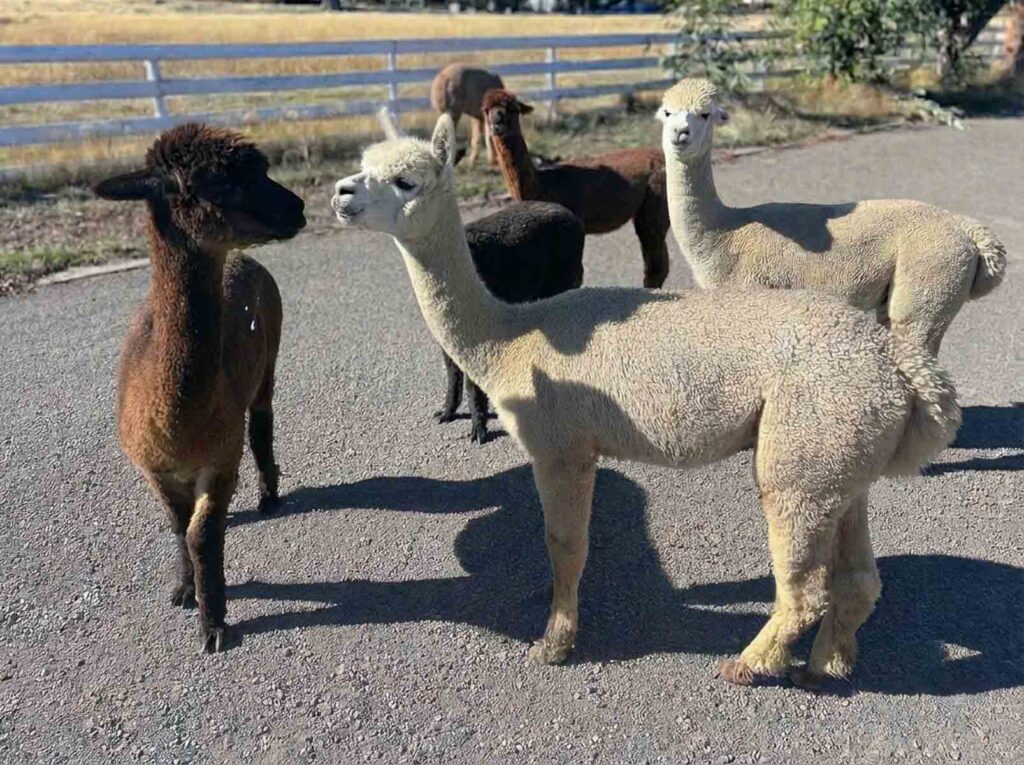
- Alpacas rely heavily on body language.
Ear position, posture, and movement carry most of their communication. Watching these signals helps you understand what they are feeling. - Alpacas are curious but cautious.
They will often come closer to observe something new. At the same time, they usually stop at a distance that feels safe. - Alpacas notice small changes in their environment.
Even subtle shifts in routine or surroundings catch their attention quickly. This awareness is part of what keeps the herd responsive and coordinated. - Alpacas prefer predictable routines.
Feeding times, movement, and daily patterns matter to them. Consistency helps them stay calm and settled. - Alpacas form quiet social hierarchies.
You can see this most clearly during feeding or movement. Some animals naturally take priority while others step back. - Alpacas are herd animals and need companions.
They feel more secure when they are part of a group. A single alpaca can become stressed or withdrawn over time. - Alpacas are generally calm around people.
They do not seek constant interaction but can get used to a familiar presence over time. Most remain relaxed as long as their space is respected. - Alpacas are clean animals by habit. Their shared dung pile keeps the rest of their space relatively tidy. This behavior makes them easier to manage.
Daily Life With Alpacas
Daily life with alpacas is steady and built around simple routines. Once you understand alpaca care and their basic needs, their behavior becomes easier to predict. Many of these everyday habits explain why they are considered manageable animals for small farms.
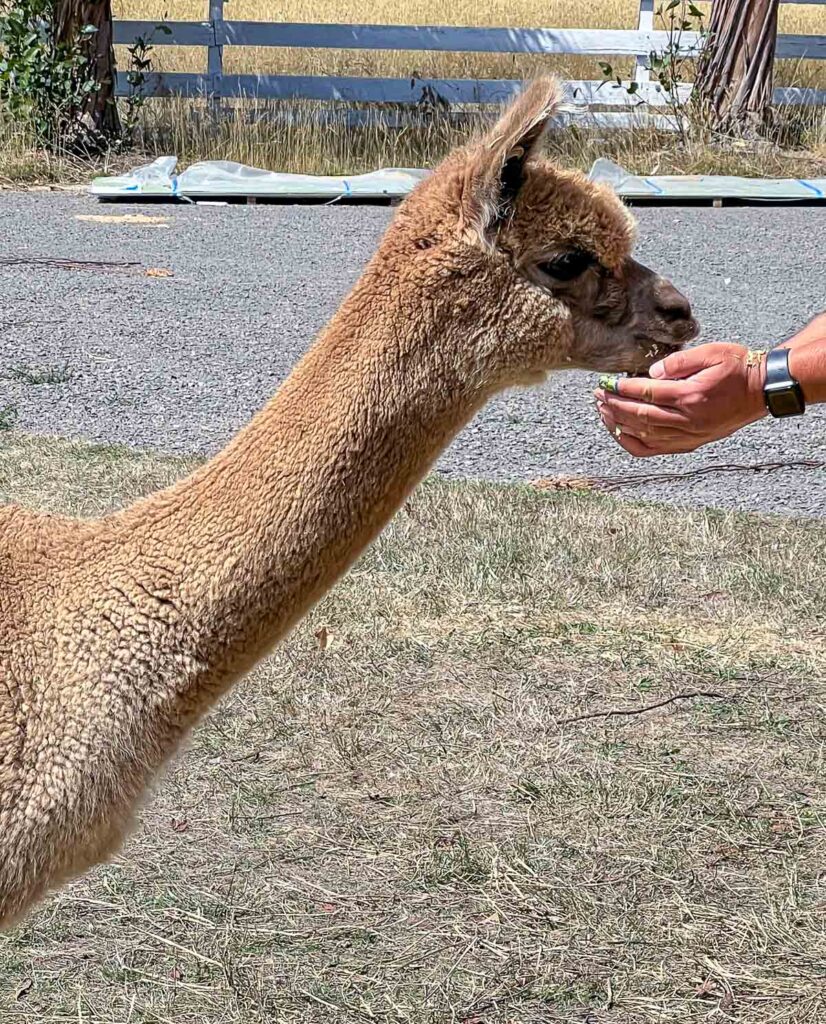
- Alpacas are considered light on the earth.
Their grazing style and soft feet reduce strain on the land. This makes them suitable for smaller pastures. - Alpacas have padded feet instead of hooves.
Their feet are soft with toenails rather than hard hooves. This helps prevent damage to soil and grass. - Alpacas are efficient grazers.
They nibble grass instead of tearing it out. This allows the pasture to recover more evenly. - Alpacas eat grass, hay, and simple feed.
Their diet is straightforward and easy to manage. Clean water and regular feeding matter most. - Alpacas don’t require large amounts of feed.
Compared to larger livestock, their intake is relatively low. This makes them manageable for small setups. - Alpacas need shelter from the weather.
They require shade in the heat and protection from rain or cold. A simple shelter is usually enough. - Alpacas have three stomach compartments.
This helps them break down fibrous plants efficiently. It allows them to get more nutrition from simple feed.
Alpaca Traits and Life Cycle
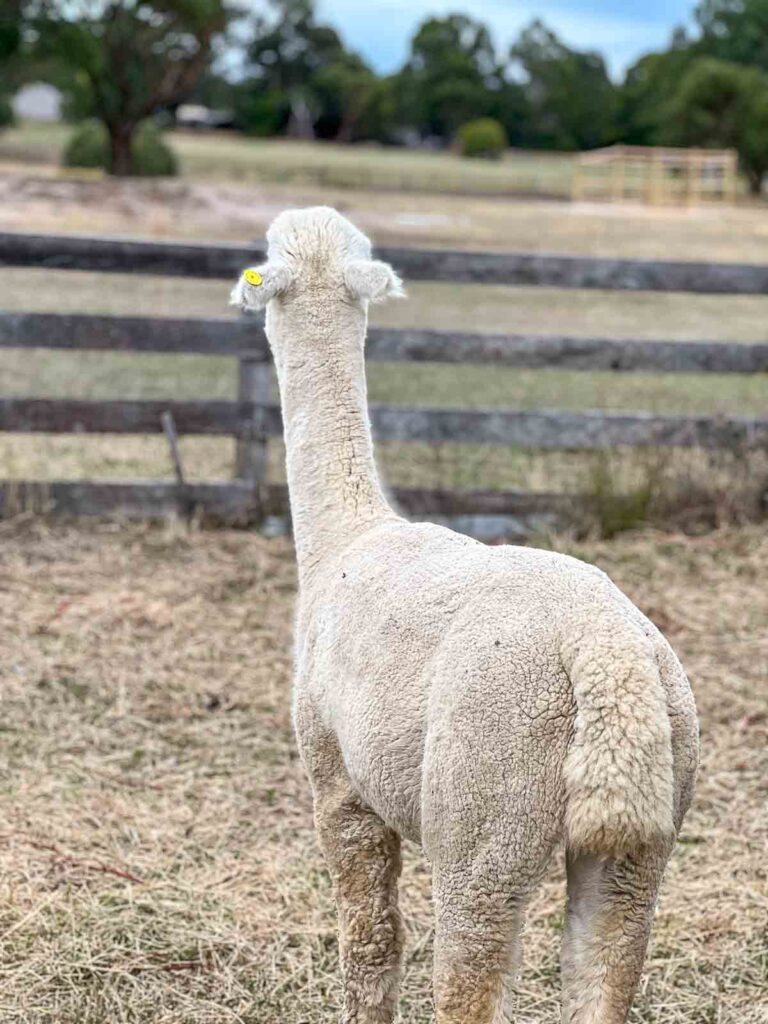
Beyond behavior, alpaca characteristics and background details help complete the picture. These more common facts explain how they look, grow, and live over time, adding context to everything you see in daily life.
- Alpacas have been raised by people for thousands of years.
They were domesticated in the Andes, mainly in Peru. They still play a role in traditional farming. - There are no truly wild alpacas today.
All alpacas live under human care. Their closest wild relative is the vicuña. - Alpacas belong to the camelid family.
They are related to llamas, guanacos, and camels. They share similar digestive traits. - Alpacas are smaller than llamas.
They are more compact and easier to handle. Most are raised for fiber. - Llamas were used as pack animals; alpacas were not.
Their roles developed differently over time. Alpacas were bred for fleece. - Alpacas are usually about 3 feet tall at the shoulder.
Their fleece adds bulk, which often makes them appear larger than they actually are. Underneath, they are fairly compact animals. - Most alpacas weigh between 100 and 200 pounds.
Their size varies with age and sex. They remain lighter than most livestock. - Alpacas have been selectively bred for fleece.
Breeding has focused on improving softness, density, and consistency over time. This is one of the main reasons their fiber is so valued. - Alpacas come in a wide range of natural colors.
White, cream, brown, gray, and black are common. Many subtle shades exist within these. - Their fleece grows continuously.
Regular shearing is needed to keep them comfortable. It also maintains usable fiber. - Alpaca fiber is soft and lightweight.
It provides warmth without heaviness. This makes it popular for textiles. - Their fleece has little to no lanolin.
This makes it easier to process than sheep wool. It is often more comfortable on the skin. - There are two main types, Huacaya and Suri.
Huacaya fleece is fluffy and dense. Suri forms long, silky strands. - Alpacas have large, expressive eyes.
Their wide field of vision helps them stay aware of movement around them at all times. Even when they seem still, they are quietly tracking what’s happening in their surroundings. - Their ears help signal mood.
Ear position is one of the clearest signs of how an alpaca is feeling in the moment. Forward ears usually show interest, while pinned-back ears often indicate irritation or discomfort. - Baby alpacas are called crias.
They are usually born one at a time and stay close to their mothers in the early days. Most crias stand fairly quickly, adjusting to their surroundings sooner than expected. - Alpacas can live 15 to 20 years.
With consistent care, they settle into a steady and predictable rhythm over time. Their long lifespan makes them more of a long-term commitment than many people expect.
More You May Like
- I see them every morning, standing by the paddock gate, each in his own way. My 6 alpacas may look like a group at first, but spend a little time with them and the differences start to show. These small, everyday moments ended up teaching me more than I expected.
- Do alpacas respond to their names, or are they just following the herd? It’s not as straightforward as calling a dog and getting an instant response. Some will look up, some will walk over, and others will take their time, but there’s always a pattern behind it. This breaks down what alpacas actually recognize, what influences their response, and what you can expect as a new owner.
- Why alpacas spit becomes much clearer once you watch how they move around food and space. What looks like sudden drama is usually a quick, structured reaction tied to herd dynamics and social rank. These small moments happen fast, but they follow patterns you can learn to read.
- Alpaca vs llama — what’s actually the difference? From face shape and ear size to fleece, personality, and how they’re used, this guide breaks down 20+ differences in a way that finally makes it click. Plus a look at the two types of alpaca most people don’t know exist.
- Curious about what makes alpacas so fascinating? These 25 alpaca fun facts in trivia Q&A format cover everything from why they hum and spit to the science behind their incredible fiber. Some of the answers will genuinely surprise you.