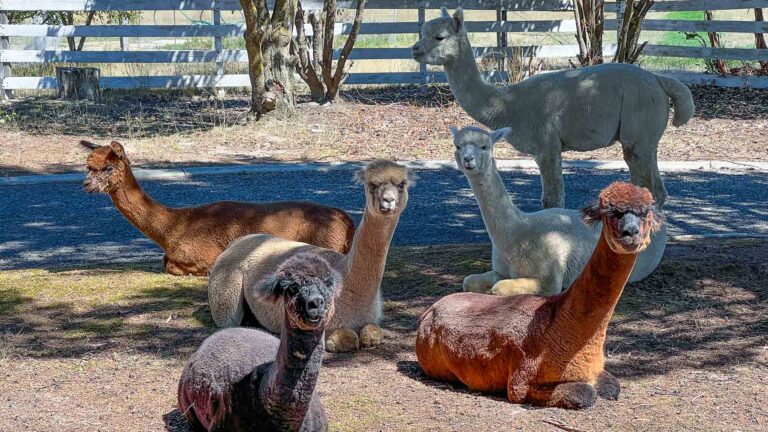
Why Alpacas Spit at Each Other: Herd Drama, Food Fights, and Social Rank Explained
Alpaca spit is one of those things everyone hears about before they ever meet one. Hay hits the feeder, heads lift, and within seconds, one alpaca steps forward, another edges too close, and then it happens. To a new owner wonder why do alpacas spit, it can look rude, chaotic, even a little mean. Most of the time, though, it’s none of that.
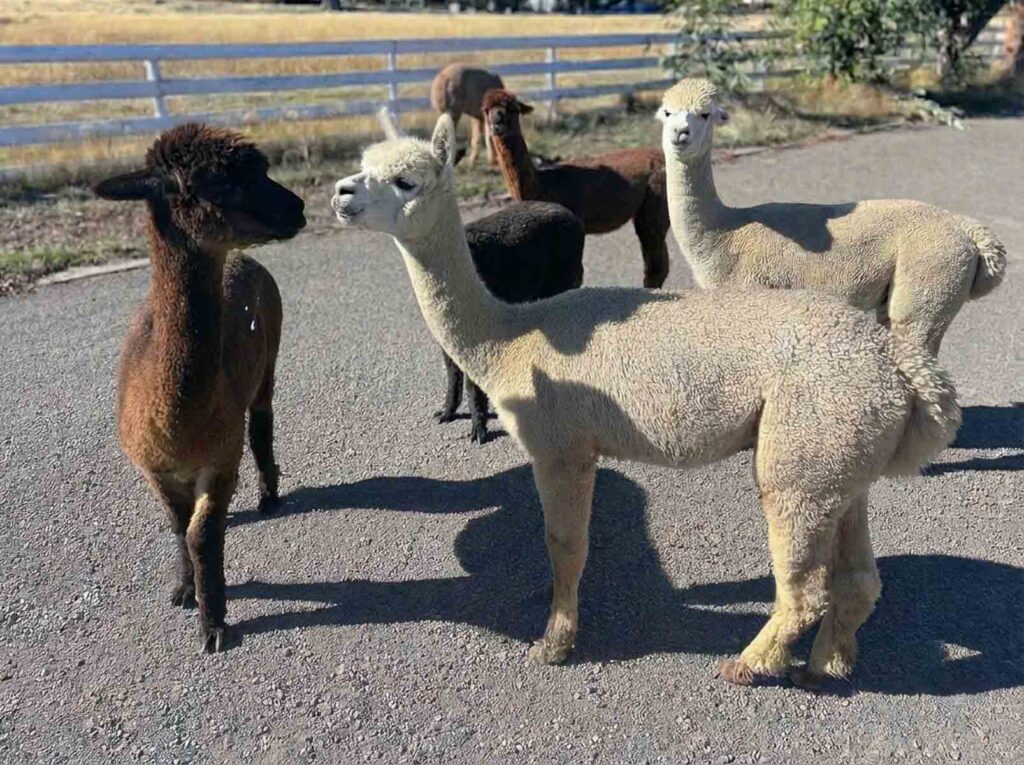
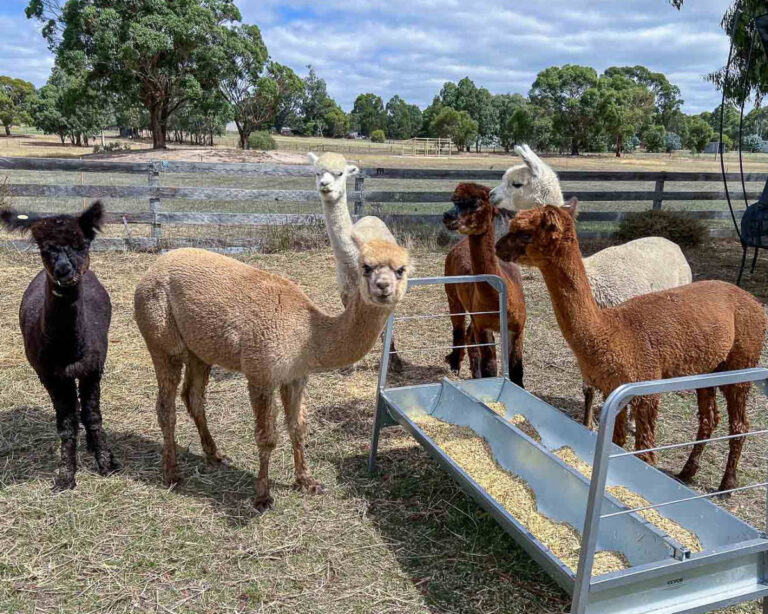
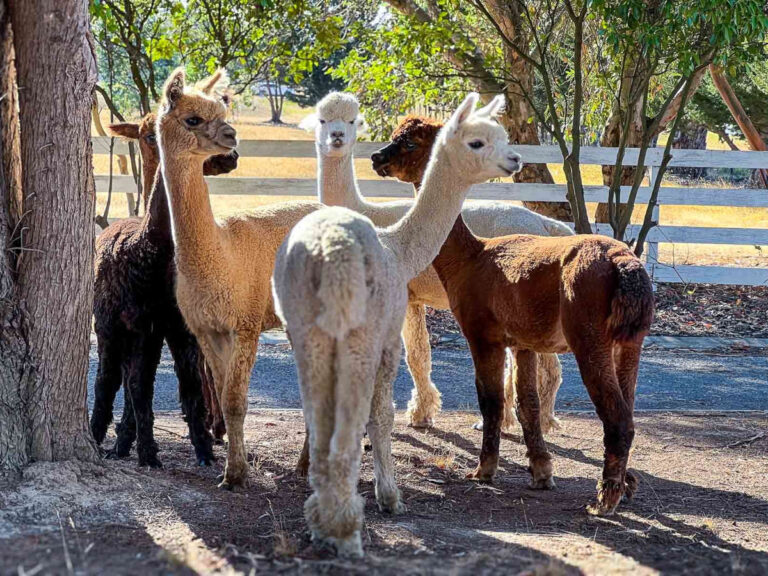
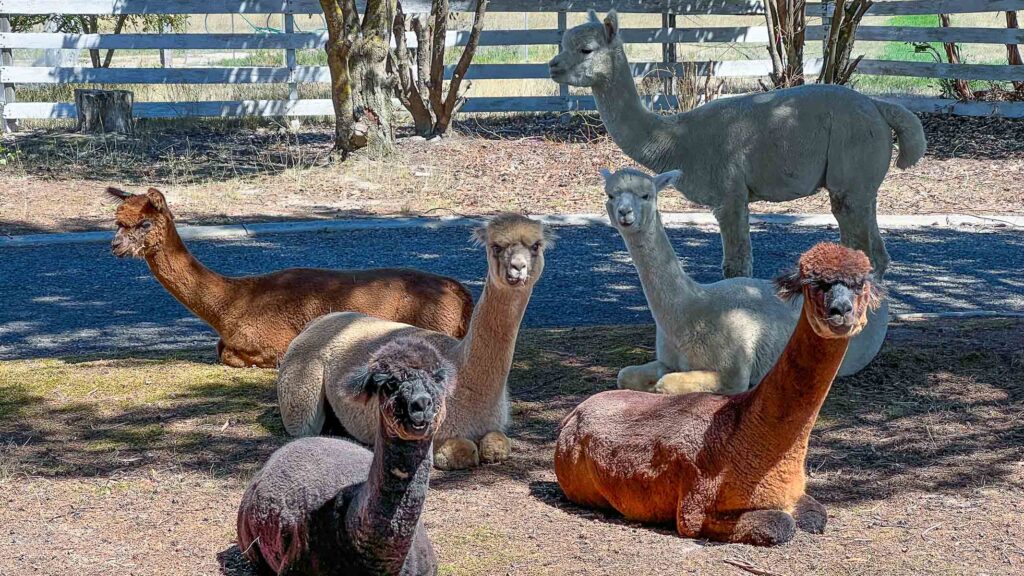
Spitting is part of how alpacas communicate, manage space, and keep order in the herd. If you’ve watched my six alpacas, you already know each one brings a different mood into the mix, and those small interactions start to make more sense once you see the pattern behind them.

Alpaca Spitting Is a Social Tool, Not Bad Behavior
When people ask why alpacas spit, the instinct is to label it as rude or aggressive. In reality, it’s one of the clearest ways alpacas communicate. This kind of alpaca spitting behavior helps them create distance quickly, settle small conflicts, and avoid physical fights that could cause injury.
In most herds, an alpaca spits to protect food, hold space, or reinforce social order. It’s less about temper and more about clarity. One quick spit can end a disagreement in seconds, which keeps the group running smoothly.
Alpacas don’t rely on long standoffs or drawn-out fights. They use fast signals, and spitting is one of the most effective ones they have. Once you start seeing it that way, it reads less like bad behavior and more like a system that works.
Warning Spit vs Serious Spit
Not all alpaca spit is the same, and once you see the difference, their behavior becomes much easier to read. Before the spit comes, body language often tells the story. Watch for pinned ears, a stiff neck, a hard stare, or an alpaca leaning into another’s space. Some will raise the chin or block a feeder opening with the whole front half of the body.
A warning spit is brief and light. It may barely land, and it often ends the problem right away. The other alpaca shifts aside, and peace returns. A serious spit looks stronger and feels more forceful. The neck thrusts forward, the mouth opens wider, and stomach contents may come out. If it gets to that point, the first signal was usually missed, or the pressure was too high to ignore.
Herd Dramas: What Alpaca Spitting Looks Like in Real Life
Once you’ve watched a few feeding sessions, alpaca spit stops looking random. It usually follows a simple pattern, one alpaca steps in, another gets too close, and the space tightens for a moment. That’s when alpaca spitting behavior shows up as a quick correction.
In my herd, the same rhythm repeats. Some alpacas move in confidently, others wait at the edges, and when two try to claim the same spot, the reaction comes fast. That moment is brief, one steps back, the other holds ground, and the herd resets. What looks dramatic is really just fast movement and clear signals. Once you start noticing these alpaca behavior facts, the whole interaction feels predictable instead of chaotic.
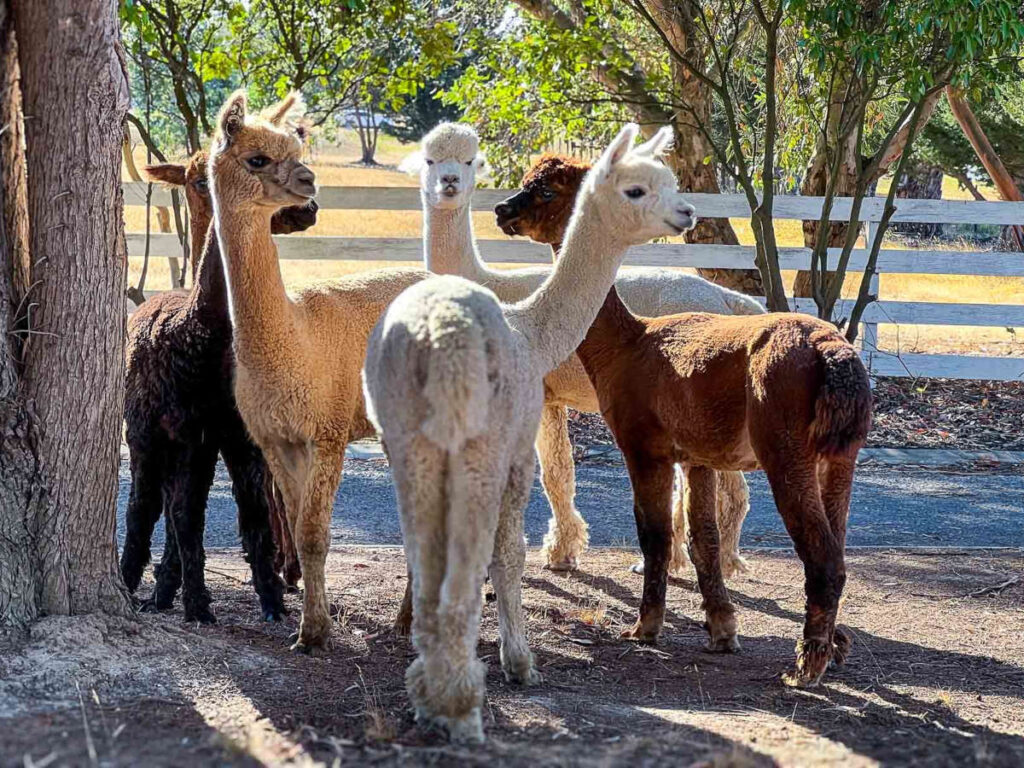
Food Fights: Why Feeding Time Triggers the Most Spitting
If you’re trying to understand why do alpacas spit, feeding time explains most of it. The herd moves in together, space tightens, and even a small shift can trigger alpaca spitting behavior. Spitting shows up as a quick way to protect access. One alpaca holds a spot, another edges in, and the reaction comes fast. In my herd, the same pattern repeats. Some step in confidently, others wait at the edges, and when two move in at once, that’s usually the moment.
Setup matters more than people expect. Tight feeders, corners, or a single pile increase pressure. Spread-out hay and more space reduce it, because alpacas can move instead of competing.
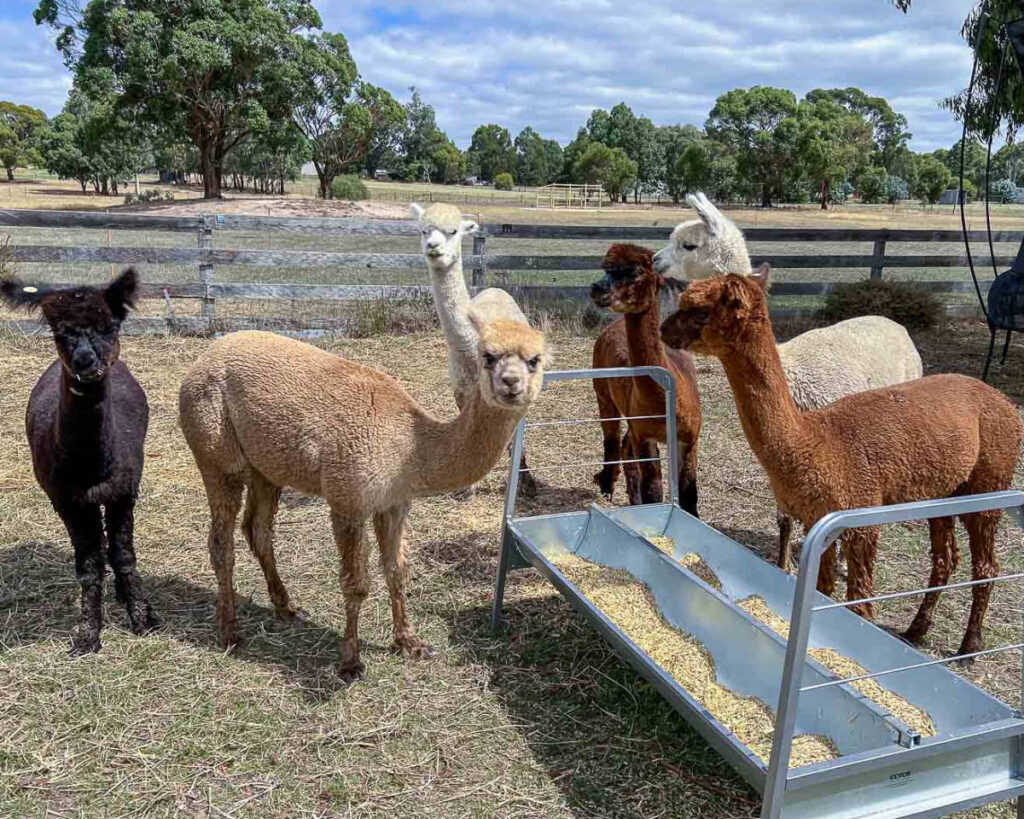
Social Rank: How Herd Order Shapes Who Spits and Who Moves
A big part of what alpaca spit means comes down to social rank. Every herd settles into an order that decides who steps in first and who moves aside. You can see this through alpaca spitting behavior at feeding time.
Some alpacas claim space easily, while others wait or circle. When that order gets challenged, alpaca spit shows up as a quick reset. These simple alpaca behavior facts make the herd easier to read. What looks random usually follows position, timing, and confidence.
How to Read the Signs Before an Alpaca Spits
Most alpaca spit doesn’t come out of nowhere. The signs show up a few seconds earlier if you know what to watch.
- Pinned ears: Ears pulled back usually mean the alpaca is irritated or guarding space.
- Stiff posture: A tense neck or body signals discomfort building up.
- Direct stare: A steady, focused look often comes right before alpaca spitting behavior.
- Crowded space: Tight feeders, corners, or blocked paths increase pressure quickly.
- No exit room: When an alpaca can’t step away, reactions happen faster.
Giving alpacas space is one of the simplest ways of how to avoid alpaca spit in everyday situations. Most of the time, the warning is clear, the spit only comes when it’s ignored.
When Alpaca Spitting Is Normal vs a Problem
Some level of alpaca spit is completely normal. Short, quick reactions during feeding or small space conflicts are part of everyday herd life. One alpaca corrects, another steps back, and the moment ends. That’s typical alpaca spitting behavior. It’s brief, spread across the herd, and doesn’t stop animals from eating, moving, or settling back down.
It becomes a concern when the pattern changes. If the same alpaca gets pushed off feed repeatedly, or tension feels constant instead of occasional, it’s worth paying closer attention. Watch for these signs:
- One alpaca being targeted again and again
- Weight loss or poor body condition
- Constant guarding of food or space
- Cuts, bites, or visible injuries
- Isolation from the herd
- Sudden behavior changes
These situations often come back to setup or stress. Limited feeder space, tight areas, or health issues can shift behavior quickly. Understanding what alpaca spit means in these cases helps you step in early and adjust before it becomes a bigger problem.
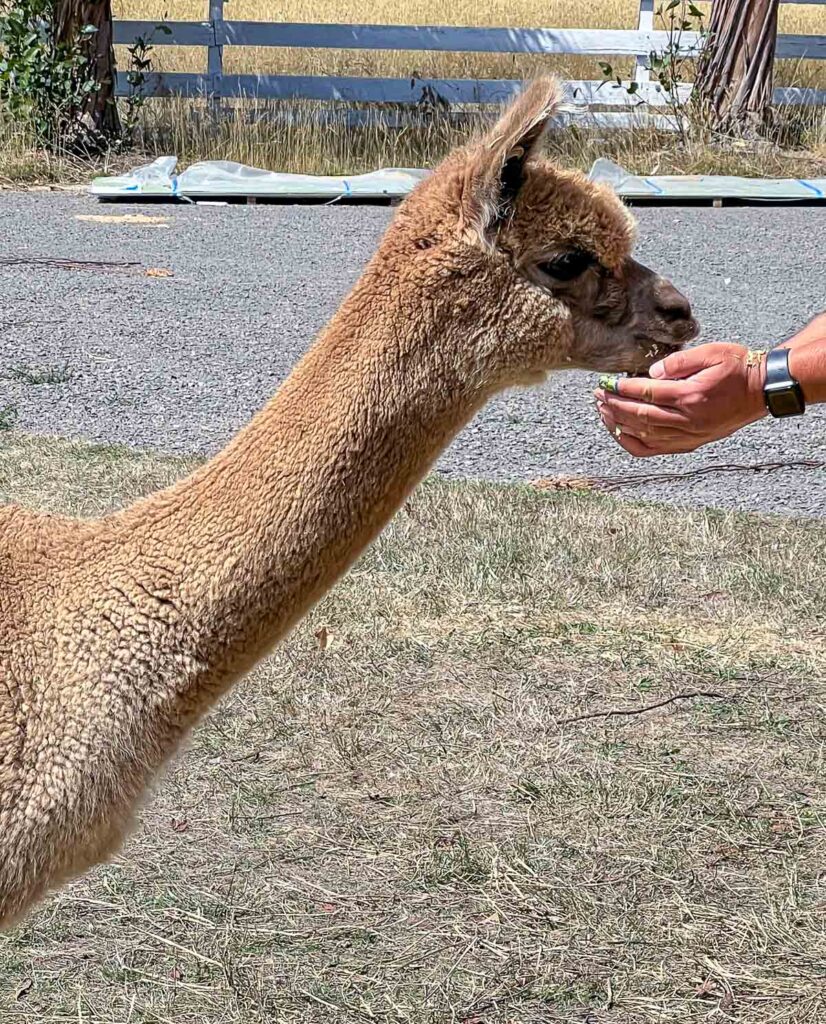
Alpaca spit might look dramatic at first, but most of it comes down to simple herd communication. Once you start noticing patterns in space, feeding, and movement, why alpacas spit becomes easy to read. What feels chaotic at first is usually quick, clear interaction. With a bit of observation, it stops being surprising and starts making sense.
More You May Like
- I see them every morning, standing by the paddock gate, each in his own way. My 6 alpacas may look like a group at first, but spend a little time with them and the differences start to show. These small, everyday moments ended up teaching me more than I expected.
- Alpacas seem calm and quiet at first, but there’s a lot more going on than you expect. These 42 interesting facts about alpacas cover their behavior, habits, and surprising details that only stand out once you really start paying attention.
- Do alpacas respond to their names, or are they just following the herd? It’s not as straightforward as calling a dog and getting an instant response. Some will look up, some will walk over, and others will take their time, but there’s always a pattern behind it. Read what alpacas actually recognize, what influences their response, and what you can expect as a new owner.
- Alpaca vs llama — what’s actually the difference? From face shape and ear size to fleece, personality, and how they’re used, this guide breaks down 20+ differences in a way that finally makes it click. Plus a look at the two types of alpaca most people don’t know exist.
- Curious about what makes alpacas so fascinating? These 25 alpaca fun facts in trivia Q&A format cover everything from why they hum and spit to the science behind their incredible fiber. Some of the answers will genuinely surprise you.