Do Alpacas Respond to Their Names? What New Owners Should Expect
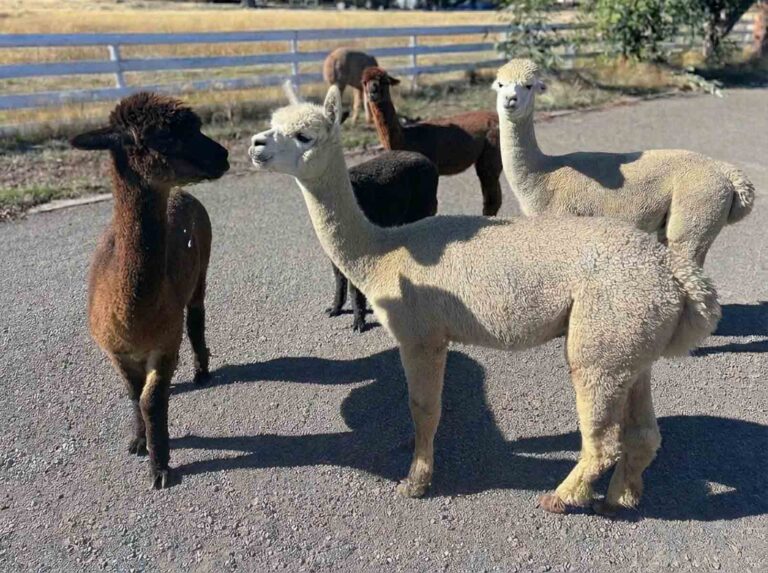
Do alpacas respond to their names? Yes, in a practical way. They can learn to react to a familiar sound, especially when that sound is tied to food, routine, and a person they trust. It is not the same as how dogs respond, but the response is real enough to notice in everyday handling.
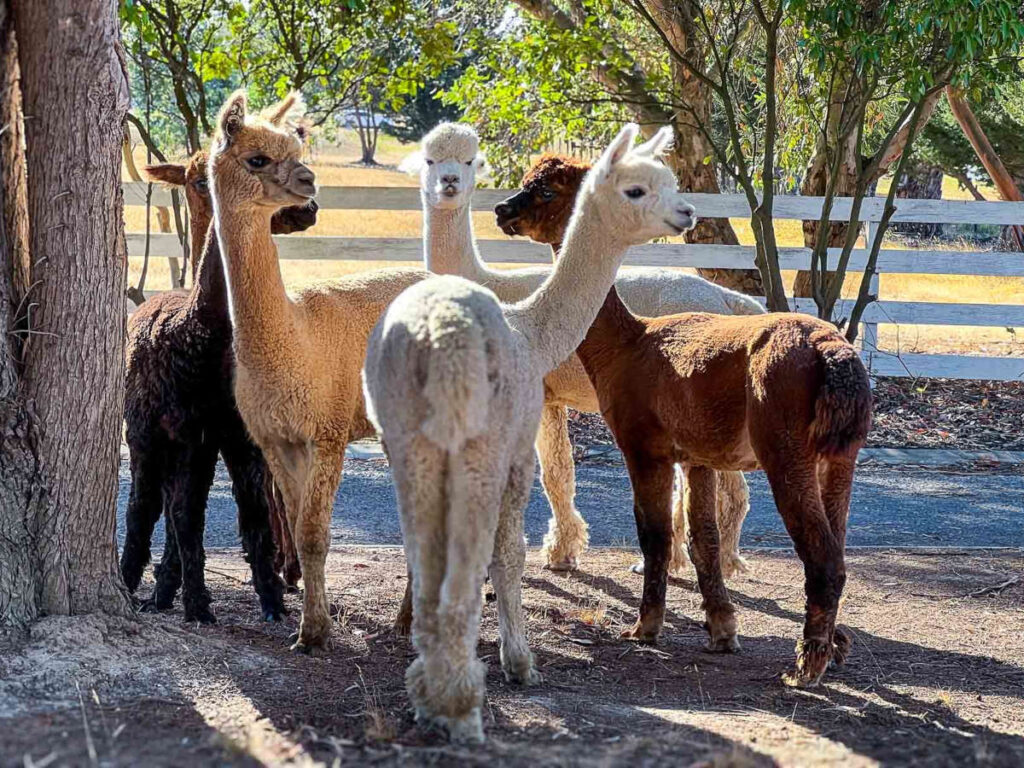
If I call out “Mocha,” I often see a small shift before anything else happens. A head lifts. Ears angle forward. That moment tells you the sound means something, even if the response is not immediate.

What name recognition looks like in alpacas
With alpacas, name recognition is about association. The sound becomes part of a pattern they already understand. Say the same name at feeding time, and it starts to carry meaning.
Biscuit is usually the first to lock in. He will look straight at me the moment he hears his name. Noodle takes a second longer, almost as if he is deciding whether it is worth it. Both are responding, just in different ways. You start to notice small signals. A pause in grazing. A slight turn. A step forward. That is often the first stage before any clear approach.
Why some alpacas respond, and others do not
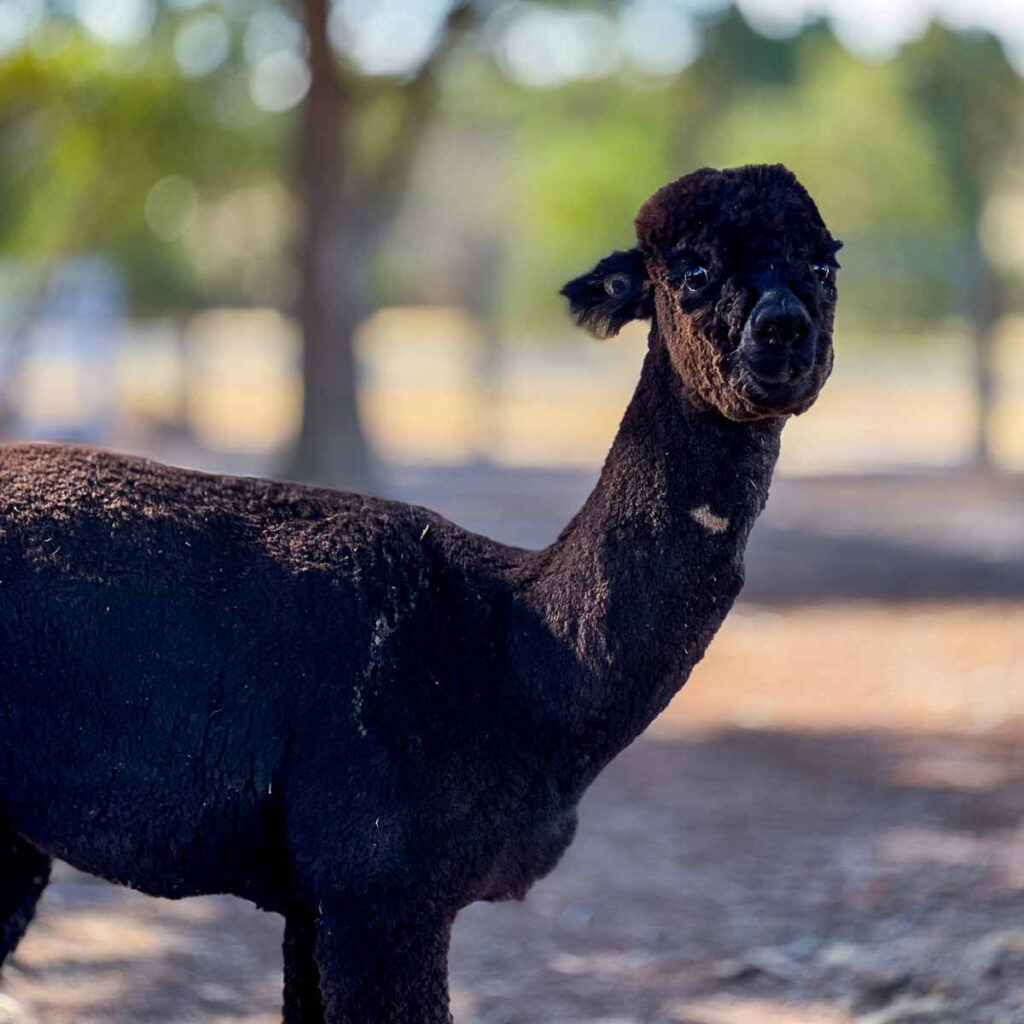
Not every alpaca reacts the same way, and that is where most confusion comes in. Personality plays a big role. Some are bold and curious. Others prefer distance. Mocha will come closer without much hesitation. Muffin usually watches first and follows later. Custard often waits for the group before moving at all. None of them is ignoring the sound. They are just responding in a way that fits their comfort level.
Trust matters just as much. An alpaca that feels relaxed around you will respond more freely. One who is unsure will hold back, even if it recognizes the name.
How herd behavior and routine shape response
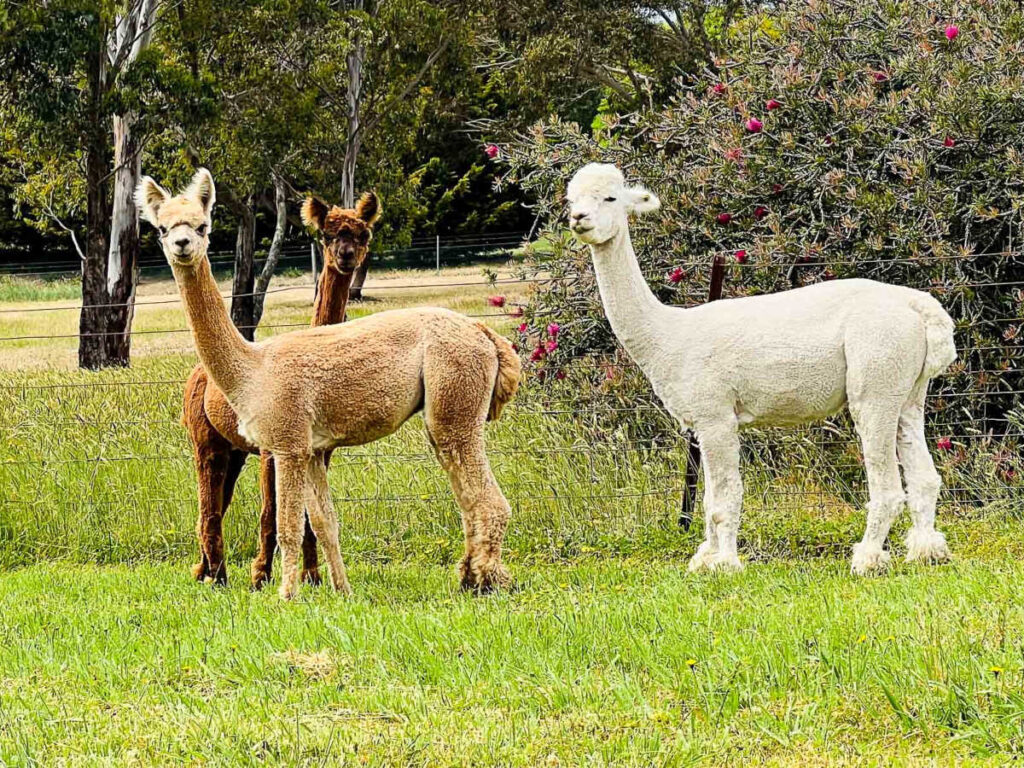
Alpacas move as a group. That changes everything. One alpaca responding can trigger movement in the rest. If Mocha steps forward, Pickles and Biscuit often follow right behind. It can look like they all know their names, but sometimes they are just reading each other.
Routine strengthens this even more. Same time, same voice, same actions. Over time, the pattern becomes predictable. That is when the name starts to work as a cue, not just a sound.
How to teach an alpaca to respond to its name
- Start close so the alpaca can clearly see and hear you. Distance weakens the cue early on.
- Use the name once in a calm, steady voice. Repeating it too many times turns it into background noise.
- Reward immediately at the first sign of response, even if it is just a head turn or ear movement.
- Practice during feeding time when attention is already there, and the moment makes sense.
- Work one alpaca at a time instead of calling the whole herd together.
- Keep sessions short; a few minutes is enough before attention starts to drop.
- Stay consistent with the same name, same tone, and same timing every day.
Common mistakes that confuse alpacas
- Confusion is the biggest problem. If I call Muffin “Muff,” “Muffy,” and “Come on, boy” in the same week, the cue gets muddy. Alpacas learn consistency, not variety.
- Calling loudly or sharply, which can make them pause or pull back instead of moving closer.
- Trying to train the entire herd at once, which creates noise and mixed signals.
- Rewarding too late, so the alpaca cannot connect the action with the outcome. If the treat comes ten seconds after the response, the lesson weakens.
- Practicing for too long, which leads to distraction and weaker response.
- Expecting instant results instead of letting the pattern build over time.
Final answer: Do alpacas respond to their names
So, do alpacas respond to their names? Yes, but through pattern, routine, and trust. They learn the sound because it connects to something familiar, not because they understand names the way we do.
If Biscuit comes first, Mocha follows, and Noodle, Pickles, Muffin, and Custard take their time, that is normal. The response is there. It just shows up in their own way.
More You May Like
- I see them every morning, standing by the paddock gate, each in his own way. My 6 alpacas may look like a group at first, but spend a little time with them and the differences start to show. These small, everyday moments ended up teaching me more than I expected.
- Alpacas seem calm and quiet at first, but there’s a lot more going on than you expect. These 42 interesting facts about alpacas cover their behavior, habits, and surprising details that only stand out once you really start paying attention.
- Why alpacas spit becomes much clearer once you watch how they move around food and space. What looks like sudden drama is usually a quick, structured reaction tied to herd dynamics and social rank. These small moments happen fast, but they follow patterns you can learn to read.
- Alpaca vs llama — what’s actually the difference? From face shape and ear size to fleece, personality, and how they’re used, this guide breaks down 20+ differences in a way that finally makes it click. Plus a look at the two types of alpaca most people don’t know exist.
- Curious about what makes alpacas so fascinating? These 25 alpaca fun facts in trivia Q&A format cover everything from why they hum and spit to the science behind their incredible fiber. Some of the answers will genuinely surprise you.