My 6 Alpacas and the Unexpected Lessons They Taught Me
Mornings here are busy. Lunches to pack, school drop-offs to get through, and a long list already waiting before the day even starts. And through all of it, my alpacas are there, standing patiently near the paddock gate, waiting for me to open it and let them into the backyard. No noise, no urgency, just quiet expectation. Some stand close together, some hang back, and one is usually off doing his own thing. It’s a small moment, but over time, you start to notice the differences.
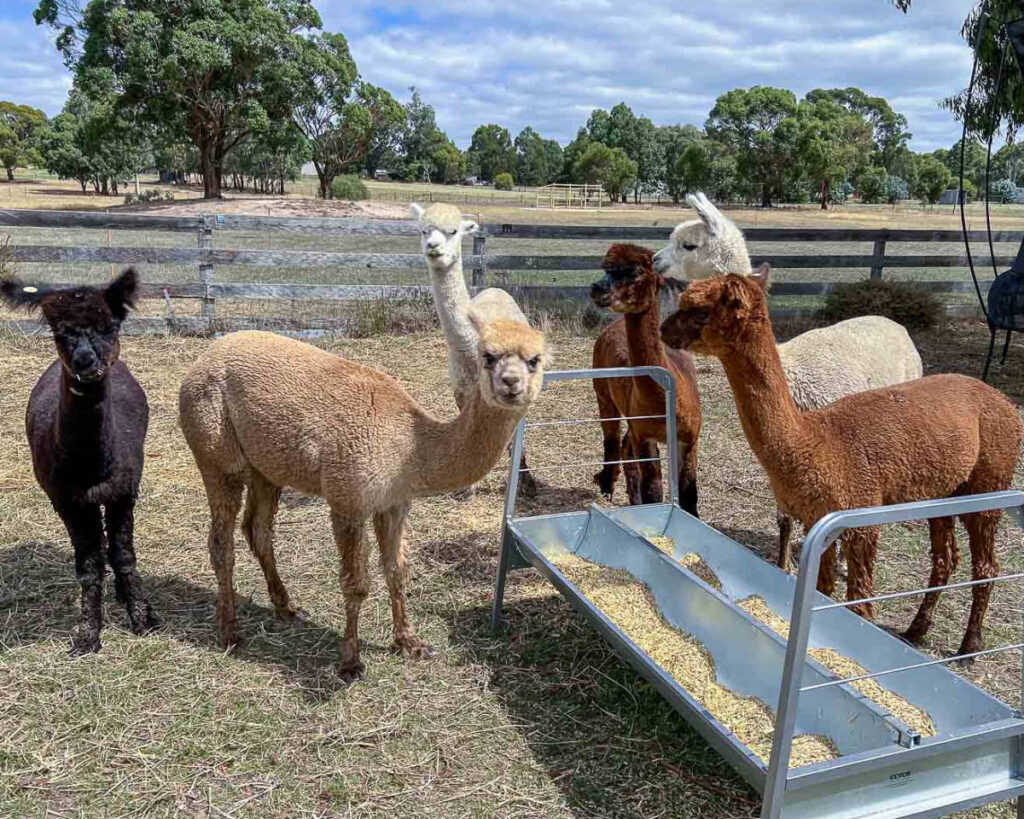
I didn’t set out to learn anything from my alpacas. But when you see the same six personalities every single day, you start paying attention in a different way. Little things stand out, and somehow, they stay with you long after the day gets busy again.

Who’s Who In The Zoo (I Mean Farm!)
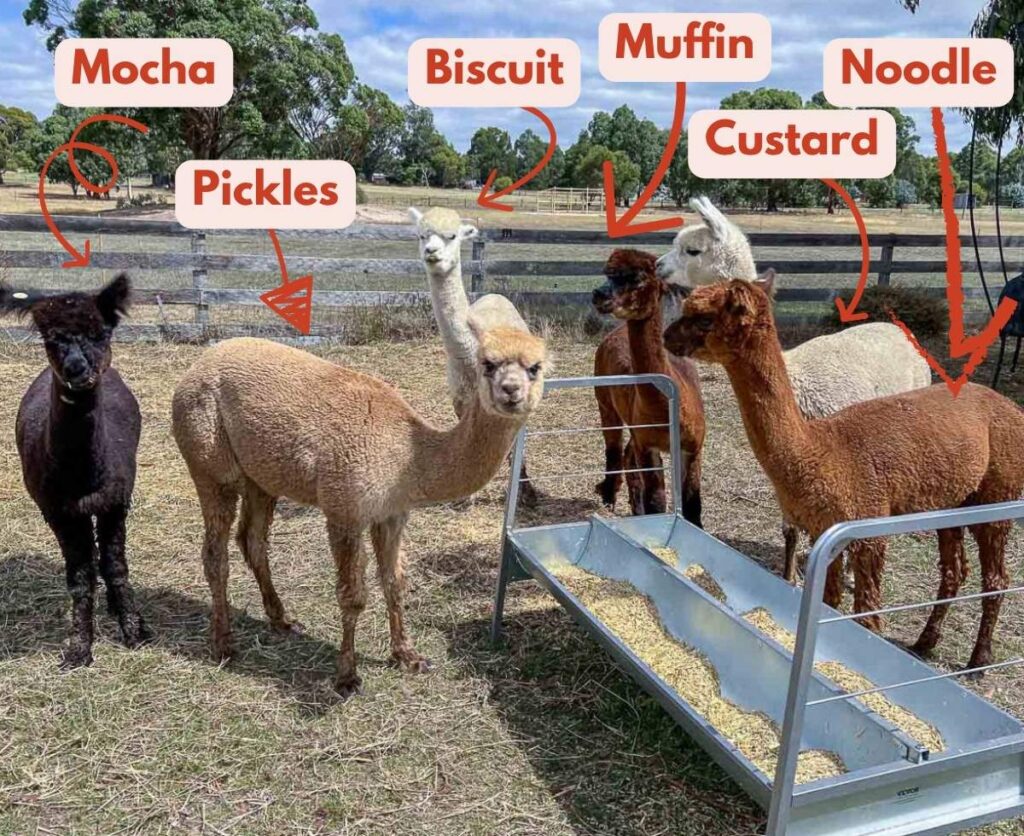
Here they are, all six of them. Around here, Biscuit, Noodle, Pickles, Custard, Muffin, and Mocha are part of my everyday rhythm. These are my alpacas that shape the pace of my mornings and soften the edges of my afternoons.
At first, my alpacas look like a group. Same space, same routine, same quiet presence. But it doesn’t take long before you start noticing the differences. Each one has a way of standing, moving, and responding that feels completely their own. Some follow. Some lead. And some couldn’t care less what the others are doing.
Animals don’t give long speeches. They repeat the same truth until I’m finally ready to see it.
Biscuit: The OG and Natural Leader
Biscuit taught me that calm leadership speaks louder than noise.
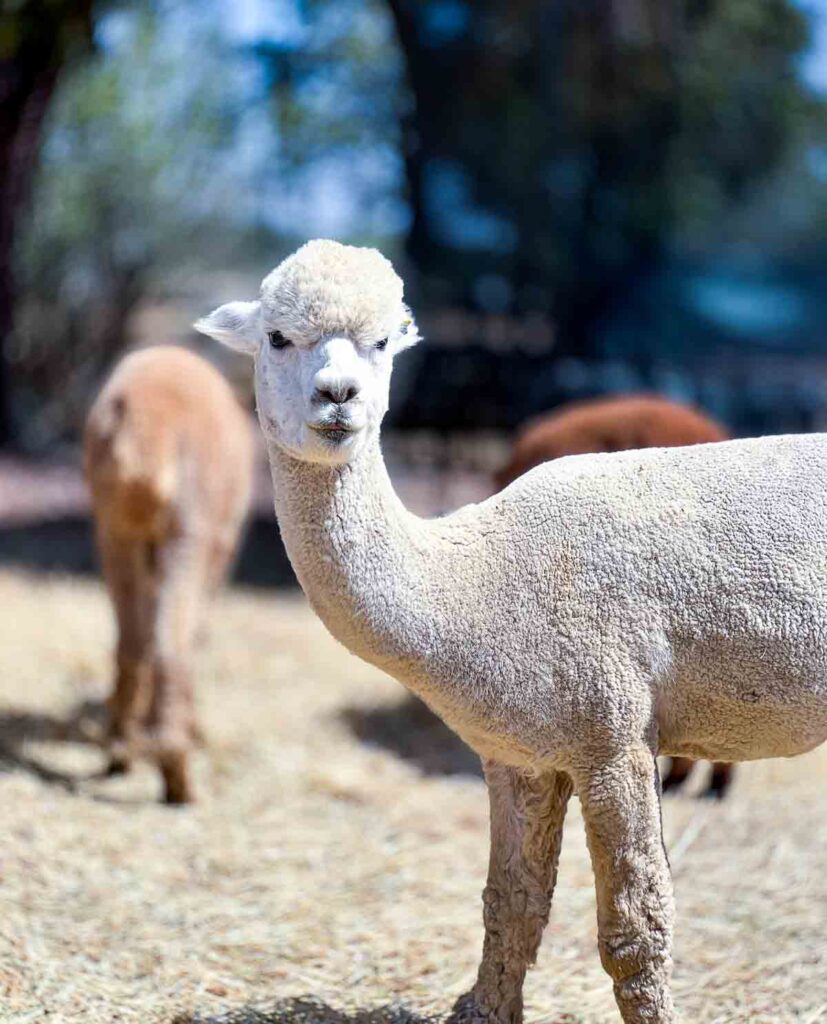
Biscuit is the OG, the alpha male, and the steady center of the herd. He doesn’t fuss. He doesn’t perform. He simply goes first, and the others seem to breathe easier because of it. If a gate opens, Biscuit checks it first. If something feels new, he reads the space before the others step in. That trust didn’t grow overnight, but now the pattern is clear. He moves, then the herd follows. In that simple order, everyone settles.
Watching him changed how I think about leadership at home. I used to think being in charge meant having the answer fast and saying it loudly. Biscuit showed me something better. A calm person can lower the temperature of a whole room. A steady voice can carry more weight than a dramatic one. He reminds me that people often need an example more than a speech.
Noodle: The Shy One
Noodle reminded me that shy does not mean weak.
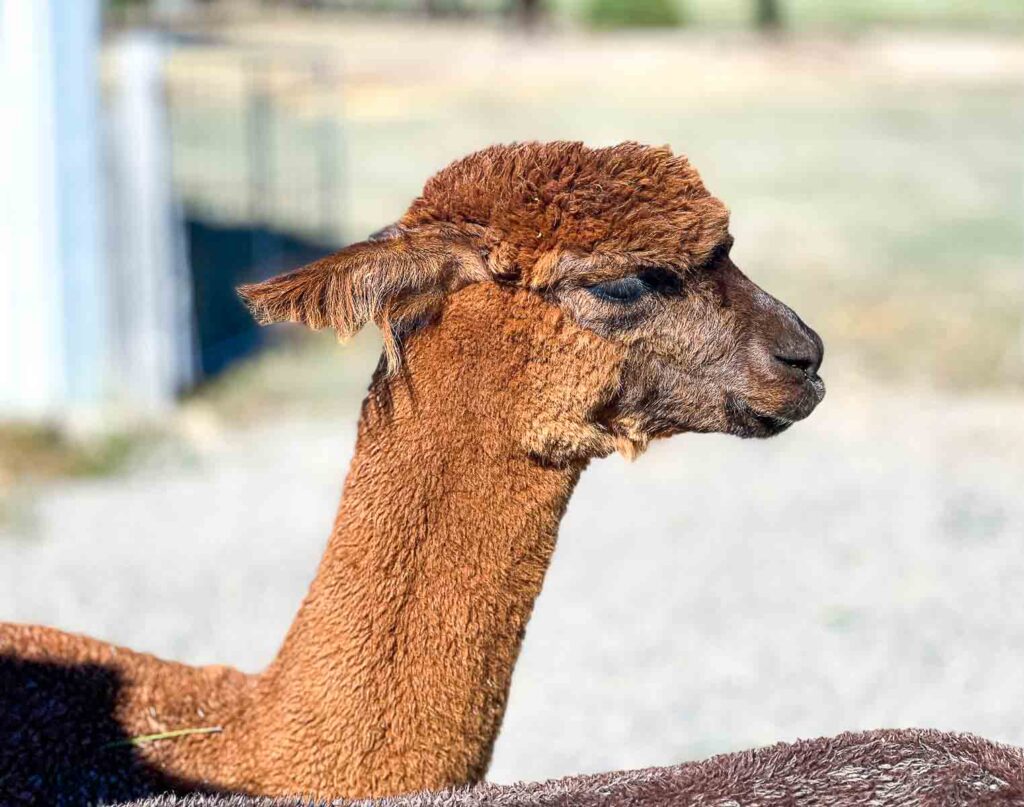
Noodle is the shy one. He hangs back, watches first, and takes his time before he decides something feels safe. At first glance, that can look like fear. After living with him, I know better. Trust came from Noodle in tiny steps. One day, he stands a little closer; the other day, he drifts off. He let me into his space very slowly. Nothing about it was rushed, and that was the lesson.
I see that gentleness has its own power. Noodle notices everything. A small movement, a new sound, a shift in the group. There’s nothing weak about that. It takes strength to stay soft in a noisy world. So when someone needs time, I push less. When I need time, I judge myself less. Noodle reminds me that slow trust is still trust, and a tender heart can be deeply strong.
Pickles: The Curious One
Pickles showed me the joy of leaning in!
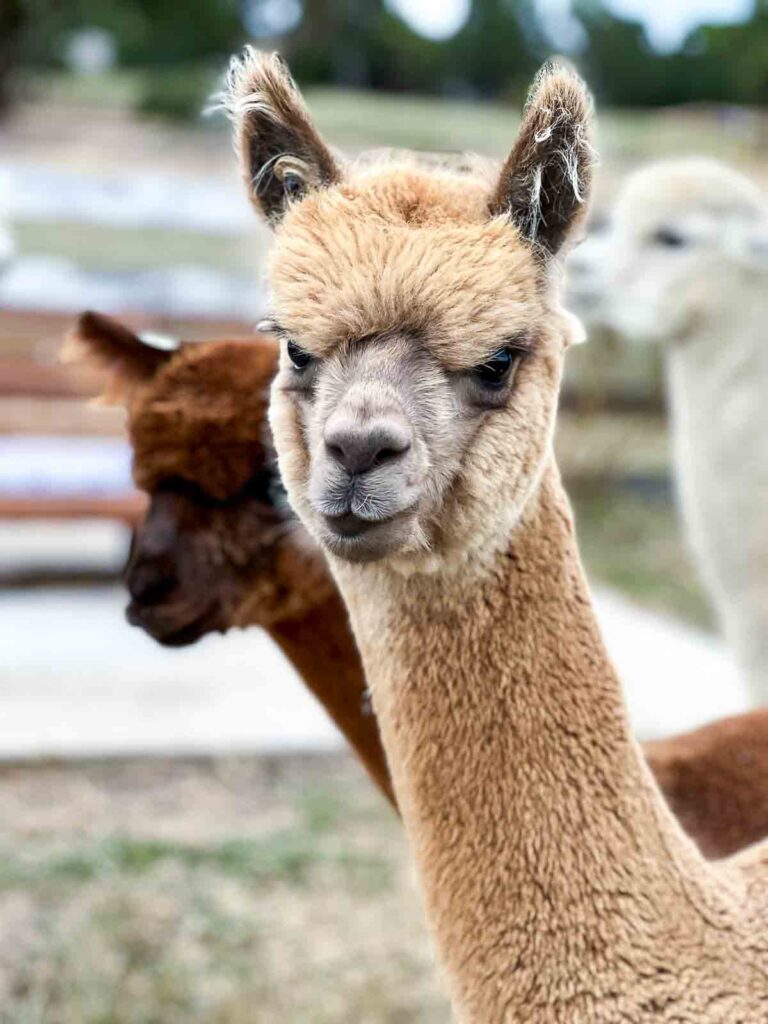
Pickles is the curious one, and life looks brighter through his eyes. If there’s a new bucket, a shifted fence line, or a leaf blowing where it shouldn’t be, he’s already there. His nose is always close to the mystery. That kind of curiosity feels playful, but it also feels wise.
Pickles doesn’t treat the ordinary as fully known. He approaches things as if they might still surprise him, and often they do. A small change becomes worth noticing. A routine moment turns interesting.
I need that reminder because adult life can make a person shut the door too early. We decide we already know the answer, the outcome, the point. Pickles nudges me in the other direction. Pickles leans in every time, and it’s hard not to follow that instinct a little more. Curiosity doesn’t always lead to something huge, but it often leads to joy.
Custard: The Rule Breaker Who Won’t Follow
Custard proved that not following the herd can be its own wisdom.
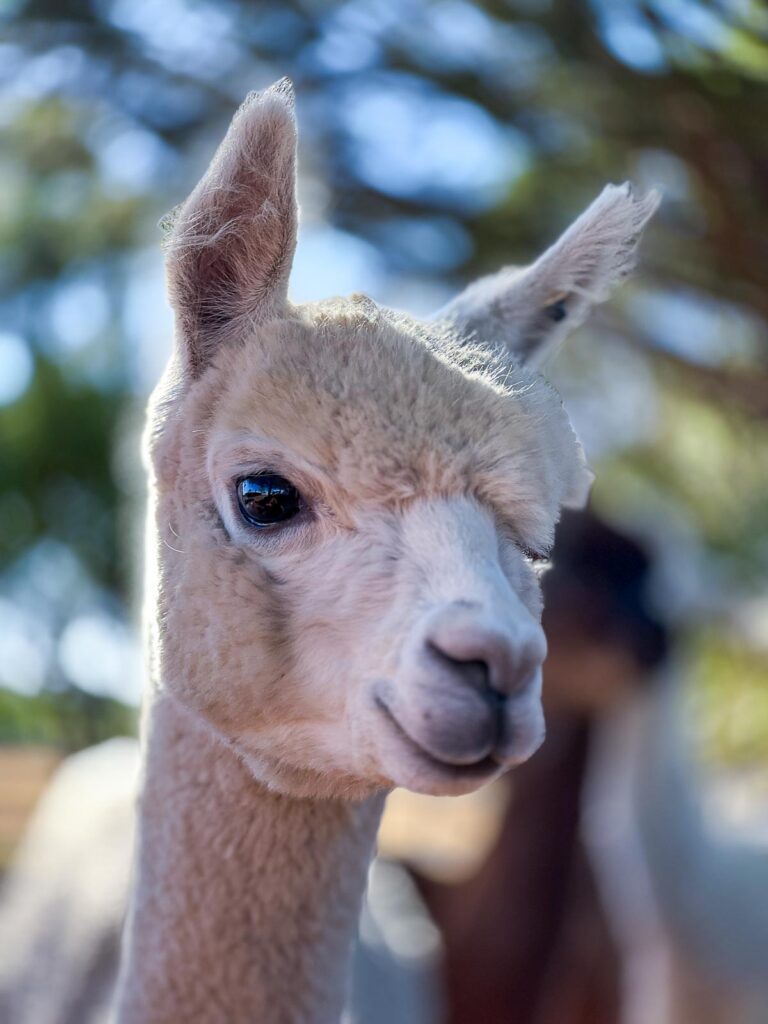
Custard is the rule breaker. If Biscuit goes left, Custard may stop, stare, and choose right. It’s funny until I’m trying to move everyone along. Then it becomes both funny and frustrating. Still, Custard has taught me something I needed to learn.
At first, it feels like a disruption. The group moves one way, and Custard breaks it. But over time, it starts to look like something else. He isn’t trying to lead, and he isn’t trying to fit in. He’s just making his own call. Watching him made me question how often I follow simply because it’s easier. Because everyone else is already moving that way. Custard doesn’t look for approval. He trusts his own read of the moment.
Muffin: The Wanna-Be Leader
Muffin taught me that borrowed confidence fades fast.
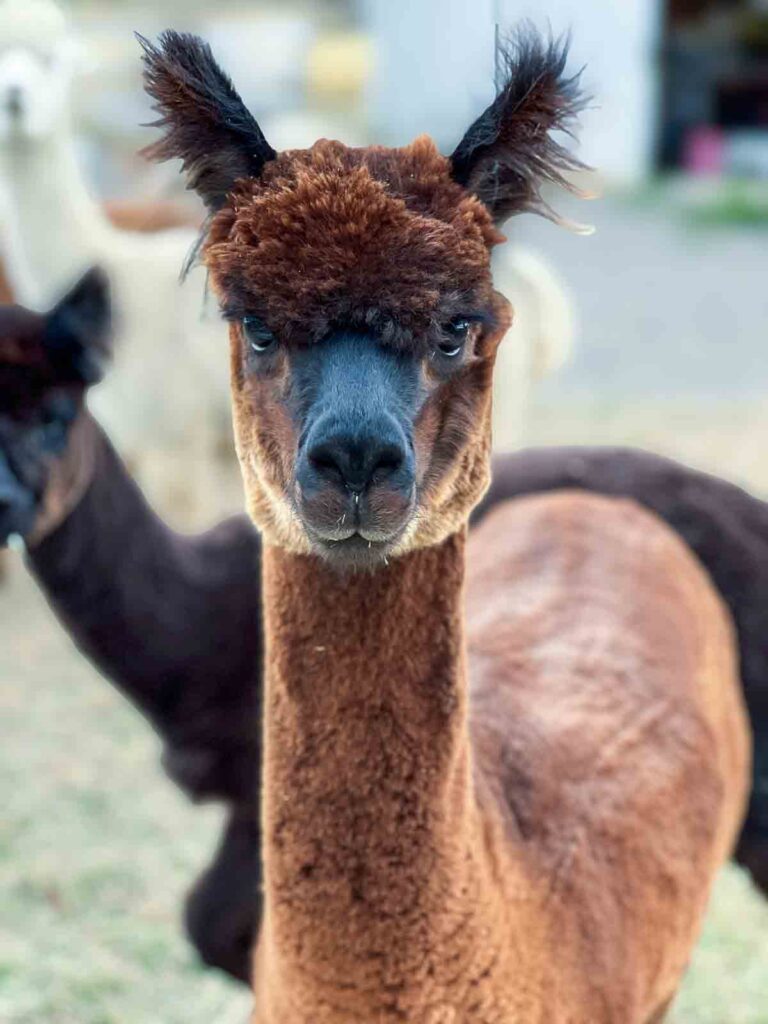
Muffin is the wanna-be leader. He stays close to Biscuit as if standing near power will make power rub off. I say that with affection, because there’s something almost sweet about his effort. He watches Biscuit closely. He tries the posture. He follows the timing. For a moment, he seems to think, “Yes, this is it, now I’m next.” Then something startles him, and the act slips.
I know that feeling. I’ve tried to wear confidence like a borrowed coat before. I copied the tone, the pace, and the look of people who seemed sure of themselves. It helped for a minute, but it never held. Muffin reminds me that real confidence does not grow from imitation. It comes from doing hard things enough times that my body starts to believe what my mind hopes is true. Standing near strength can inspire me, and that matters. Still, I have to grow my own legs under me.
Mocha: The Little One
Mocha reminded me that love often looks small and simple.
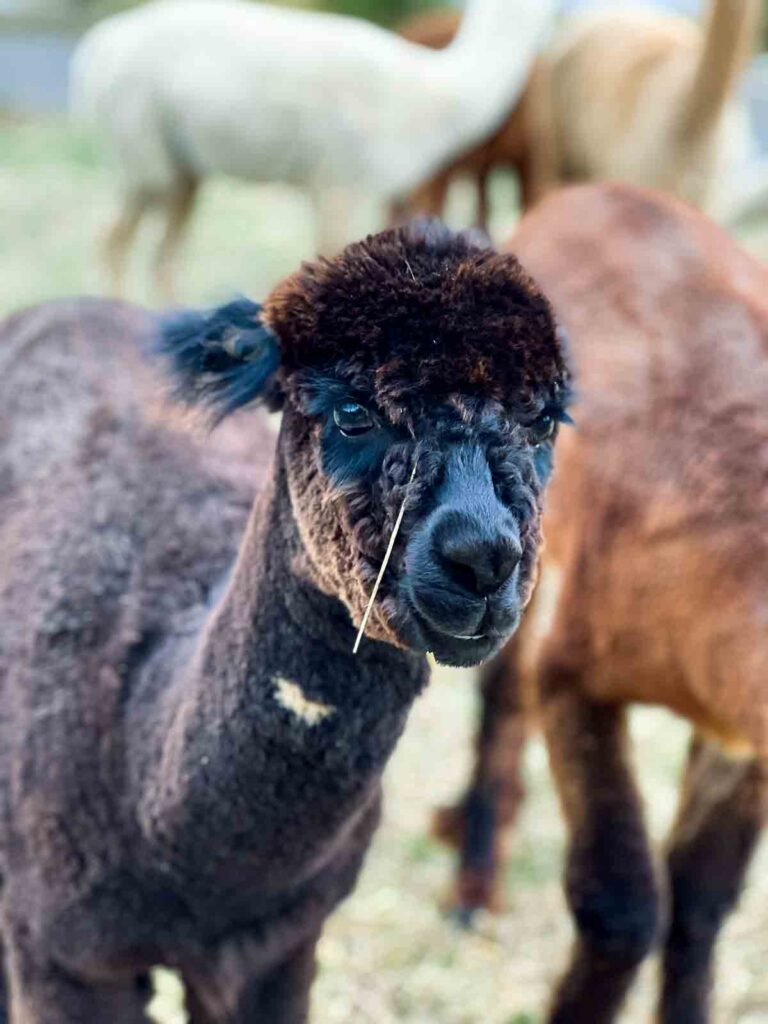
Mocha is the little one, the sweet baby, and the one who runs to me when he sees me. That tiny run gets me every time. Something in me softens the second he comes near. There’s no grand speech in that moment. It’s just trust, offered plainly. His small body, quick steps, and open sweetness say more than most people do all week.
Mocha taught me not to overlook the simple forms of love. A familiar face at the gate matters. A soft greeting matters. Tiny rituals matter. We often think care has to be big to count, but some of the best comfort comes in quiet doses. When Mocha runs to me, the whole day feels less sharp. He reminds me that attachment isn’t a weakness. It’s one of the ways life stays warm.
What My Alpacas Keep Teaching Me
When I look at all six together, the lessons feel clear. Biscuit tells me to lead with calm. Noodle tells me to let trust grow slowly. Pickles keeps me curious, while Custard keeps me honest about thinking for myself. Muffin reminds me to build real confidence, and Mocha points me back to simple love.
Most evenings, I watch my alpacas settle as the light goes soft and the field gets quiet. That’s when I feel it most, the strange comfort of being taught by animals who never mean to teach at all. If you pay close attention, your own pets, routines, or ordinary days may be saying something too.
Living on a small farm means fall shows up in little ways all around the property, not just on the calendar. It’s actually where most of my foraged fall decor comes from each year, branches, seed pods, and whatever else the season leaves behind.
More You May Like
- Alpacas seem calm and quiet at first, but there’s a lot more going on than you expect. These 42 interesting facts about alpacas cover their behavior, habits, and surprising details that only stand out once you really start paying attention.
- Do alpacas respond to their names, or are they just following the herd? It’s not as straightforward as calling a dog and getting an instant response. Some will look up, some will walk over, and others will take their time, but there’s always a pattern behind it. This breaks down what alpacas actually recognize, what influences their response, and what you can expect as a new owner.
- Why alpacas spit becomes much clearer once you watch how they move around food and space. What looks like sudden drama is usually a quick, structured reaction tied to herd dynamics and social rank. These small moments happen fast, but they follow patterns you can learn to read.
- Alpaca vs llama — what’s actually the difference? From face shape and ear size to fleece, personality, and how they’re used, this guide breaks down 20+ differences in a way that finally makes it click. Plus a look at the two types of alpaca most people don’t know exist.
- Curious about what makes alpacas so fascinating? These 25 alpaca fun facts in trivia Q&A format cover everything from why they hum and spit to the science behind their incredible fiber. Some of the answers will genuinely surprise you.